
How To Learn Australian Sign Language Online

Whether you live in a regional area or prefer the flexibility of remote learning, understanding how to learn Australian Sign Language online gives you access to quality Auslan education from anywhere in Australia. Online learning has expanded dramatically in recent years, and there are now excellent digital resources, live classes, and interactive platforms available to support your Auslan journey at every level.
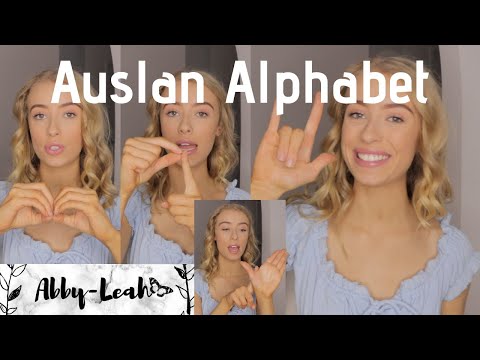
Live Online Auslan Courses
Live online courses offer the closest experience to face-to-face learning, with the convenience of studying from home. These courses are conducted via video conferencing platforms and are typically led by Deaf instructors who can see your signing in real time and provide immediate feedback.
Several major Deaf organisations now offer live online Auslan courses. Expression Australia, Deaf Connect, and various state Deaf societies have added online options to their course catalogues, particularly since the pandemic demonstrated the viability of remote sign language instruction. These courses follow the same curricula as their in-person equivalents and are taught by the same qualified instructors.
Live online courses work best with a few technical considerations. A reliable internet connection and a good quality webcam are essential, as your instructor needs to see your hand movements clearly. Position your camera so that your hands, face, and upper body are visible in the frame. Good lighting from the front (not backlighting from a window behind you) ensures your signs are easy to read.
The interactive nature of live courses is their biggest advantage over self-paced resources. You can ask questions, receive corrections, and practise with classmates in breakout rooms. Many instructors use visual aids, screen sharing, and collaborative activities that make online classes engaging and effective. Learning foundational signs like hello and thank you in a live setting means you get real-time feedback on your handshape and movement.
Self-Paced Video Resources
Self-paced video resources allow you to learn at your own speed, revisiting content as many times as you need. While they lack the interactive feedback of live courses, they are excellent supplements and valuable for learners who cannot commit to scheduled class times.
Auslan Signbank remains the gold standard free video dictionary for Auslan learners. Each entry features a video of the sign performed by a Deaf signer, along with grammatical information and regional dialect notes. Use Signbank to look up individual signs, build themed vocabulary lists, and study the fine details of hand movements that you might miss in real-time conversation.
Deaf-created educational content on social media and video platforms provides natural language input at various levels. Beginner-focused channels offer structured lessons covering vocabulary and basic grammar, while content aimed at more advanced learners includes narratives, discussions, and cultural commentary. Following multiple Deaf creators exposes you to different signing styles, which builds your receptive flexibility.
Some organisations offer structured video courses that guide you through a curriculum at your own pace. These courses typically include video lessons, practice exercises, and assessments that help you track your progress. While they do not offer live interaction, the structured progression can be more effective than randomly watching individual sign videos.
Recorded interpreted content, such as Auslan-interpreted news broadcasts and government announcements, provides exposure to professional-level signing in real-world contexts. Watching these regularly helps develop your comprehension of connected discourse at natural speed.
Practice Makes Perfect
Test your sign language skills with our free practice app.
Interactive Tools and Practice Platforms
Interactive digital tools add an element of active practice to your online learning that passive video watching does not provide. These tools test your knowledge, reinforce vocabulary, and make practice more engaging.
Flashcard applications with spaced repetition algorithms are particularly effective for Auslan vocabulary retention. Create digital flashcards with the English word on one side and a description or image of the sign on the other. The spaced repetition system automatically schedules reviews at optimal intervals, ensuring that signs move from short-term to long-term memory efficiently.
Quiz-style apps and websites test your ability to recognise signs from video clips or match signs to their English meanings. These receptive skill exercises are valuable because understanding what others sign is at least as important as producing signs yourself. Regular quizzing identifies weak areas in your vocabulary and directs your study efforts where they are needed most.
The practice app at Deafened.org offers interactive sign language exercises that can complement your other study activities. Regular use helps reinforce the vocabulary and recognition skills you are building through courses and self-study.
Video recording tools on your phone or computer allow you to record yourself signing and review your technique. Compare your signing to the models in Signbank or instructional videos to check your handshapes, movements, and facial expressions. This self-assessment practice is especially important for online learners who may not have regular access to instructor feedback.
Online Community and Conversation Practice
Connecting with other Auslan learners and Deaf signers online provides the conversation practice that is essential for developing genuine communicative competence. Several online communities cater to Auslan learners at various levels.
Social media groups dedicated to Auslan learning bring together thousands of learners who share resources, ask questions, post practice videos, and organise virtual meet-ups. These groups range from beginner-focused spaces to more advanced discussion forums. Participating actively in these communities provides social motivation and exposes you to diverse perspectives on the learning process.
Online video conversation groups have become increasingly popular and accessible. These groups meet regularly via video conferencing to practise conversational Auslan, often with Deaf facilitators who guide the discussion and provide language support. Some groups are organised by Deaf societies, while others are grassroots initiatives started by motivated learners. Using signs like please in these live practice sessions reinforces polite communication habits.
Finding an online conversation partner is another effective strategy. Pair up with another learner at a similar level or, ideally, a patient Deaf signer willing to chat regularly. Schedule weekly video calls where you communicate exclusively in Auslan. These one-on-one sessions provide focused practice and build confidence for group conversations and real-world interactions.
Be mindful of the Deaf community’s perspectives on online learning spaces. Some Deaf people welcome hearing learners into online spaces, while others prefer to maintain Deaf-only spaces for cultural reasons. Respect boundaries, follow community guidelines, and prioritise learning from and with Deaf people rather than seeking to dominate conversations.
Creating an Effective Online Study Plan
Success with online Auslan learning requires structure and discipline, as you do not have the built-in accountability of showing up to a physical classroom each week. Here is how to create a study plan that keeps you on track.
Dedicate specific times each day or week to Auslan study and treat these as non-negotiable appointments. Consistency matters more than total hours; 20 minutes daily is more effective than a two-hour session once a week. Block out your study times in your calendar and protect them from other commitments.
Balance different types of learning activities across your week. Include vocabulary study using Signbank and flashcards, receptive practice through watching Deaf-created videos, expressive practice through self-recording and narration, interactive practice through live classes or conversation partners, and cultural learning through reading about Deaf history and current events.
Set weekly and monthly goals that are specific and measurable. Track your progress in a spreadsheet or journal, noting new signs learned, hours practised, and milestones achieved. Review your goals regularly and adjust them based on your actual progress and changing circumstances. Mastering conversational signs like how marks meaningful progress worth recording.
Accept that online learning has limitations. You may miss nuances of three-dimensional signing that are difficult to perceive on a flat screen. You may lack the spontaneous interaction that happens naturally in a physical classroom. Compensate by seeking out every available opportunity for face-to-face practice, whether at Deaf community events, with local practice groups, or during visits to your nearest Deaf society. Online learning is a powerful tool, but it works best as part of a broader learning strategy that includes real-world engagement.
Related Articles
- How To Learn Australian Sign Language Online For Free
- How To Learn Australian Sign Language
- How To Learn Auslan
Practice ASL Signs
Use your camera to practice signs and get real-time AI feedback on your technique.
Free · No signup required