
Word Order in British Sign Language (BSL)
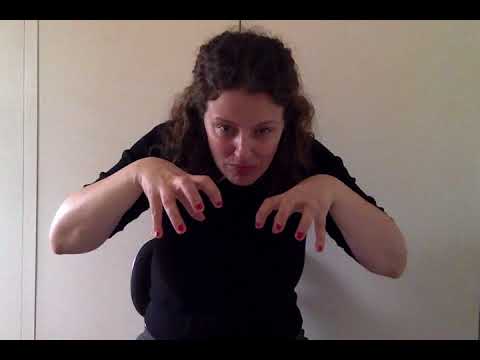
The sign for “word order” is crucial for understanding how to structure sentences in British Sign Language (BSL). It’s commonly used when discussing grammar, sentence formation, or teaching BSL to new learners. This sign helps clarify how to convey meaning and intent in a visually rich language.
How to Sign “Word Order” in BSL
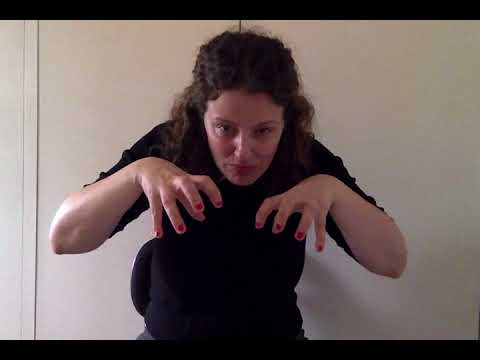
- Start with your dominant hand in a flat ‘O’ shape, palm facing towards your body.
- Position your hand at chest height on your dominant side.
- Move your hand forward slightly while rotating it so that the palm faces outward.
- While performing the movement, raise your eyebrows to indicate a question or to show emphasis.
- Finish the sign by bringing your hand back to the starting position at your chest.
Common Mistakes
- Forgetting to incorporate non-manual features, such as facial expressions, which can change the meaning of the sign.
- Using the wrong hand shape or positioning, leading to confusion with other signs.
- Neglecting to use space effectively, which can disrupt the clarity of the topic-comment structure.
BSL vs ASL
In BSL, the sign for “word order” focuses on hand shape and non-manual features to convey grammar rules. In contrast, American Sign Language (ASL) has a different sign and may not incorporate the same facial expressions or hand movements. This highlights the unique aspects of each sign language and their grammatical structures.
Related Signs
- (Bsl – Used to refer to British Sign Language.
- 1 – The sign for the number one.
- 10 – The sign for the number ten.
- 100 – The sign for the number one hundred.
- 11 – The sign for the number eleven.
Frequently Asked Questions
How does “word order” affect BSL sentences?
Word order in BSL often follows a topic-comment structure, where the topic is introduced first, followed by the comment about that topic.
Are there regional variations in how “word order” is signed?
While the core sign remains the same, some variations may exist depending on local dialects within the UK Deaf community.
What similar signs should I learn?
Consider learning signs for other grammatical terms such as 1, 10, and 100 to enhance your understanding of BSL structure.
What tips can help me learn BSL word order?
Practice using sentences in context and pay attention to facial expressions and space as you sign; these are key components of BSL grammar.
Why is non-manual signing important?
Non-manual signs (like facial expressions) provide essential context and emotion, which can change the meaning of a sentence dramatically in BSL.
Can I use “word order” in everyday conversations?
Yes, understanding word order is important for clear communication in both casual and formal settings within the Deaf community.
Practice ASL Signs
Use your camera to practice signs and get real-time AI feedback on your technique.
Free · No signup required