
Why in British Sign Language (BSL)
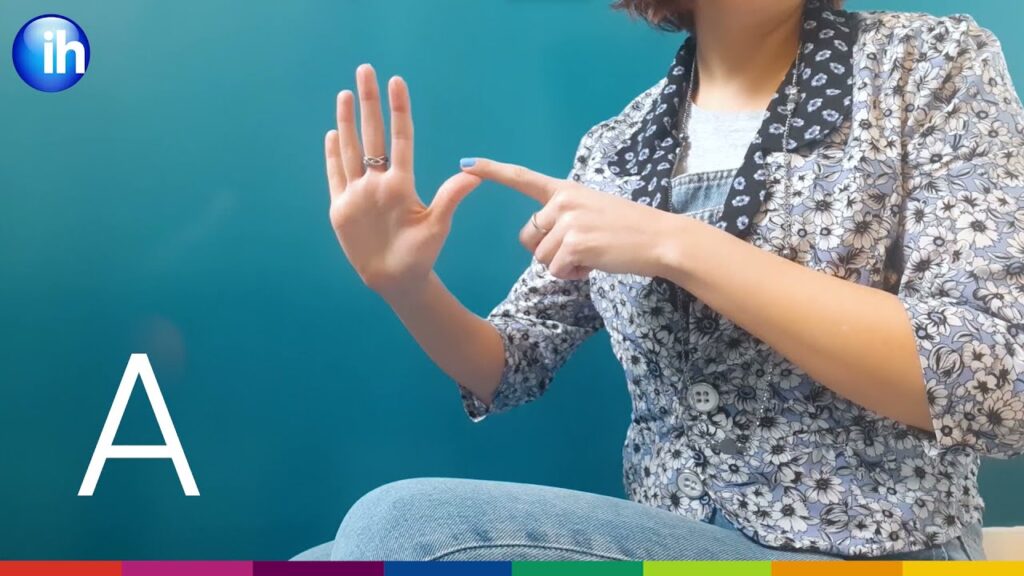
The sign for “why” in BSL is a crucial part of everyday communication. It is often used to ask for reasons or explanations in conversations, making it an essential sign for engaging in discussions within the Deaf community. This sign can also convey curiosity or seek clarification on a topic.
How to Sign “Why” in BSL

- Start with your dominant hand in a flat handshape (similar to a “B” handshape).
- Position your dominant hand in front of your forehead, with the palm facing towards you.
- Move your hand slightly forward and downward while keeping your fingers extended and together.
- Incorporate a questioning facial expression, raising your eyebrows as you sign to indicate you’re seeking information.
Common Mistakes
- Forgetting to use the facial expressions that convey curiosity, which can lead to confusion.
- Using the sign without the appropriate context or topic-comment structure, making it unclear what you are asking about.
- Inadvertently signing “why” with a closed fist instead of a flat hand, which may lead to misunderstandings.
BSL vs ASL
In BSL, the sign for “why” uses a flat handshape and focuses on the facial expressions to convey the meaning. In contrast, ASL uses a different handshape and movement. This highlights the distinct grammatical structures and visual languages that both BSL and ASL represent.
Related Signs
- (Bsl) – A sign often used to refer to British Sign Language itself.
- 1 – The sign for the number one, useful in counting or expressing quantities.
- 10 In Bsl – The sign for the number ten, commonly used in numerical contexts.
- 100 In Bsl – The sign for one hundred, often used in financial discussions.
Frequently Asked Questions
How can I use “why” in a BSL sentence?
You can use “why” to ask questions about topics. For example, “Why are you learning BSL?” would follow the topic-comment structure, starting with the topic “you” before signing “why.”
Are there regional variations for the sign “why” in the UK?
The sign for “why” tends to be consistent across the UK, but some variations may exist in speed or facial expressions. It’s always good to observe local usage when learning.
What are some similar signs to “why”?
Signs like “how,” “what,” and “where” are similar in their questioning nature. Each has its own specific handshape and movement.
What tips do you have for learning this sign?
Practice in front of a mirror to ensure your facial expressions match the sign. Watching native signers can also help improve your skills.
Can “why” be signed in different contexts?
Yes, “why” can be used in various contexts. The key is to adjust your topic-comment structure based on what you are asking about.
How does facial expression affect the sign “why”?
Facial expressions are crucial in BSL. A questioning expression with raised eyebrows enhances the meaning of “why” and indicates that you are seeking information.
Practice ASL Signs
Use your camera to practice signs and get real-time AI feedback on your technique.
Free · No signup required