
Wagon in British Sign Language (BSL)
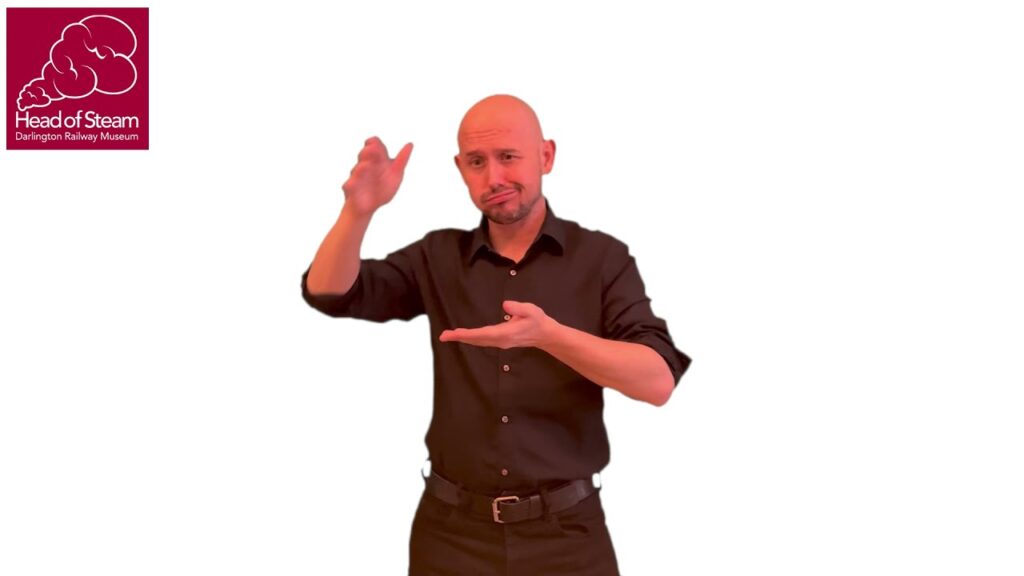
The sign for “wagon” in BSL represents a small vehicle typically used for carrying items or children. This sign is often used in conversations about transportation, play, or outdoor activities, especially when discussing children’s toys or movement. It connects with cultural contexts, such as family outings or playdates.
How to Sign “Wagon” in BSL
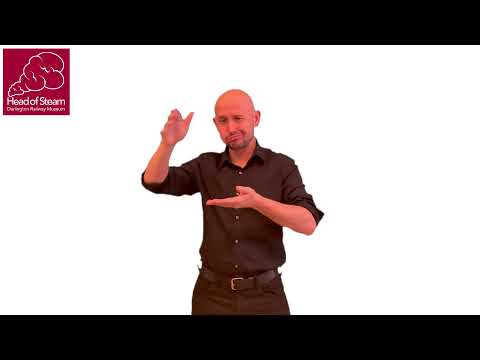
- Start with both hands in front of you, forming a flat “B” shape with your palms facing down. Your fingers should be together and straight.
- Position your hands at about waist height, with a slight space between them to represent the width of the wagon.
- Move your hands forward together a short distance, as if pushing the wagon along a surface.
- As you move your hands, maintain a neutral facial expression or add a slight smile to convey a friendly context.
Common Mistakes
- Forgetting to use both hands, which can make the sign unclear.
- Moving the hands too fast or too far apart, losing the visual representation of a wagon.
- Neglecting facial expressions, which are crucial for conveying tone and context in BSL.
BSL vs ASL
In BSL, the sign for “wagon” involves both hands moving forward together, whereas in ASL, the sign typically involves a single hand shape mimicking the motion of pulling a wagon. This highlights the differences in spatial representation and hand usage between the two sign languages.
Related Signs
- Toy – Represents a general item for play.
- Car – Sign for vehicles in general.
- Scooter – Represents a common mode of transport for children.
- Bicycle – Sign for another form of transport.
- Bus – Represents public transport vehicles.
Frequently Asked Questions
Can I use “wagon” in a BSL sentence?
Yes! For example, you could sign “I have a wagon” by signing “I HAVE WAGON” with the appropriate facial expressions.
Are there regional variations for this sign?
Generally, the sign for “wagon” remains consistent across the UK, but slight variations in movement may occur based on regional dialects.
What are similar signs to “wagon”?
Signs like “toy” and “car” are closely related, often used in similar contexts involving transportation or play.
How can I improve my signing of “wagon”?
Practice the movement slowly in front of a mirror to ensure clarity and accuracy. Pay attention to your hand shapes and facial expressions.
Is there a specific context where “wagon” is commonly used?
This sign is frequently used in discussions about children’s play, outdoor activities, or family outings, making it a practical addition to your vocabulary.
Can I use this sign for different types of wagons?
Yes, you can use the same sign to refer to various types of wagons, as the context will clarify what type you’re talking about.
Practice This Sign
Try signing Wagon In Bsl with your camera and get AI coaching on your handshape, movement, and location.
Free · No signup required