
Uncouth in British Sign Language (BSL)
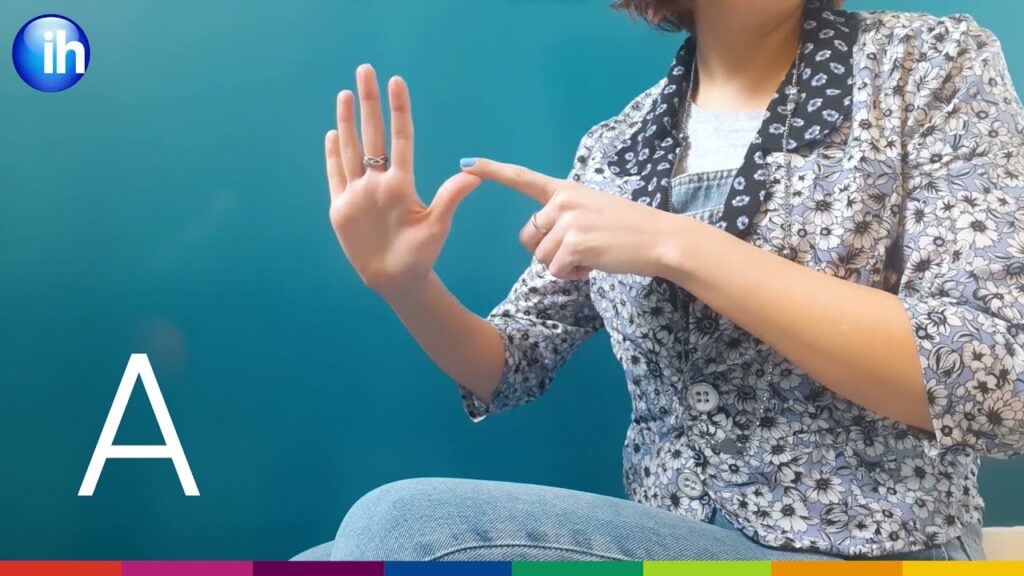
The sign for “uncouth” in BSL communicates a sense of a person’s lack of refinement or manners. This sign is often used in social discussions to describe behaviour that is awkward, rude, or socially inappropriate. Understanding the nuances of this sign can help in expressing feelings about social interactions within the UK Deaf community.
How to Sign “Uncouth” in BSL

- Start with your dominant hand in a flat shape (like a ‘B’ handshape) and hold it near your chin.
- Move your hand slightly forward and away from your face while bending your fingers slightly to indicate awkwardness.
- Use facial expressions to convey the meaning of “uncouth” — scrunch your face slightly in disapproval or confusion.
- Remember to maintain a consistent eye gaze towards the person you are communicating with to enhance clarity.
Common Mistakes
- Many learners forget to incorporate facial expressions, which are crucial in conveying the full meaning of the sign.
- Some may confuse the handshape, using a fist instead of the flat ‘B’ handshape.
- Not using the topic-comment structure can lead to misunderstandings; ensure to set the context before performing the sign.
BSL vs ASL
In BSL, the sign for “uncouth” focuses on facial expressions and hand movement to express social awkwardness, while in ASL, the sign may differ in handshape and motion. BSL relies heavily on the context of the conversation and non-manual features, which may not directly translate to ASL.
Related Signs
- Awkward – describes a similar lack of social grace.
- Rude – conveys a lack of politeness or respect.
- Impolite – refers to behaviour that is not courteous.
- Manners – the opposite of uncouth, indicating good social behaviour.
- Refine – signifies sophistication and elegance in behaviour.
Frequently Asked Questions
How can I use “uncouth” in a BSL sentence?
You can structure a sentence like this: “PERSON (pointing) UNCOUTH,” indicating who you are referring to.
Are there regional variations for this sign in the UK?
The sign is generally consistent, but some regions may have slight variations in hand movement or facial expressions.
What similar signs should I know?
Along with “uncouth,” it’s helpful to know signs for “awkward,” “rude,” and “impolite” as they are often used together in conversations.
Any tips for learning this sign?
Practice in front of a mirror to ensure your facial expressions match the sign, and ask for feedback from fluent BSL users.
Can I use this sign in formal settings?
While it may be understood, consider the context and audience; it might be more appropriate in casual conversations.
What is the importance of facial expressions in BSL?
Facial expressions add emotional context to signs and can change the meaning entirely, making them vital for clear communication.
Practice This Sign
Try signing Uncouth In Bsl with your camera and get AI coaching on your handshape, movement, and location.
Free · No signup required