
Same in British Sign Language (BSL)

The sign for “same” in BSL is used to express similarity or agreement, making it a useful term in everyday conversations within the Deaf community. It’s commonly found in discussions about preferences, experiences, or opinions. This sign helps to clarify that two or more things are alike or identical.
How to Sign “Same” in BSL
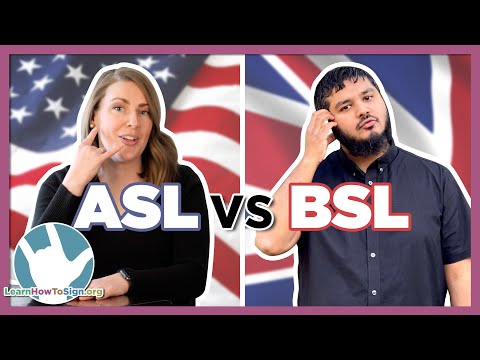
- Start with both hands in front of you, palms facing each other.
- Use a flat handshape (like a “B” handshape) with both hands.
- Move both hands slightly apart and then back together, maintaining the flat handshape.
- While signing, keep a neutral facial expression or a slight nod to indicate agreement.
- Ensure your hands stay at the same height throughout the movement, using your personal signing space effectively.
Common Mistakes
- Using a fist instead of a flat handshape, which can change the meaning.
- Not maintaining eye contact or appropriate facial expressions, which are important in conveying agreement.
- Moving hands too far apart or too quickly, making it hard to understand the sign.
BSL vs ASL
In BSL, the sign for “same” involves a movement that shows similarity, using hand shapes that resemble flat hands. In contrast, ASL uses a different hand configuration and movement pattern, focusing more on a single hand to convey the concept. Each sign reflects the unique grammar and usage within its respective sign language community.
Related Signs
- 1 – The sign for the number one.
- 10 – The sign for the number ten.
- 100 – The sign for the number one hundred.
- (Bsl) – The sign for BSL itself.
- 1 Dollar – The sign for one dollar.
Frequently Asked Questions
How do I use “same” in a BSL sentence?
You can use “same” to compare two things or ideas, for example, “My favourite colour is blue, same as yours.”
Are there regional variations for this sign in the UK?
The sign for “same” tends to be consistent across the UK, but some regional dialects may have slight variations in movement or speed.
What is a similar sign to “same”?
The sign for “like” is often used in similar contexts to express preference or similarity.
What tips can help me learn this sign?
Practice in front of a mirror to check your handshape and facial expressions. Watching native signers can also help you grasp the nuances.
Can I use this sign in a formal setting?
Yes, “same” is appropriate in both formal and informal settings, especially when discussing opinions or ideas.
How can I improve my BSL signing skills?
Regular practice, attending BSL classes, and engaging with the Deaf community will greatly enhance your skills.
Practice ASL Signs
Use your camera to practice signs and get real-time AI feedback on your technique.
Free · No signup required