
Rachis in British Sign Language (BSL)

The sign for “rachis” refers to the spine or backbone in anatomical terms. It is often used in discussions related to health, biology, or anatomy within the UK Deaf community, especially in educational contexts or medical discussions.
How to Sign “Rachis”
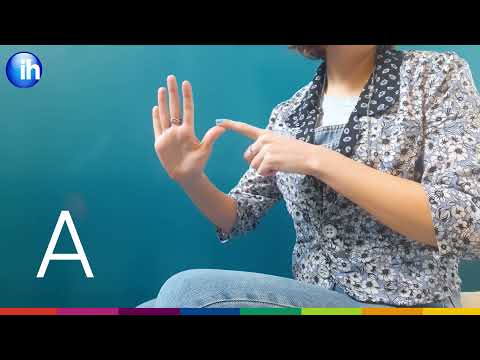
- Start with your dominant hand in a flat shape, resembling a “B” handshape. This will represent the spine.
- Position your hand vertically in front of your torso, slightly to the side, to create a clear view of the sign.
- Using your non-dominant hand, place it beside the dominant hand to indicate the width of the spine.
- Move your dominant hand upwards slightly, as if illustrating the length of the spine, while keeping the non-dominant hand steady.
- Maintain a neutral facial expression, but be sure to engage with your audience by making eye contact.
Common Mistakes
- Some learners may confuse the sign for “rachis” with other signs related to the body. It’s important to focus on the flat handshape and vertical positioning.
- Another common error is not using space effectively; remember to show the length of the spine by moving your hand upwards.
- Facial expressions may be overlooked, but they are crucial for conveying the correct meaning and engaging with others.
BSL vs ASL
In BSL, the sign for “rachis” focuses on the representation of the spine with a flat handshape, while in ASL, the sign may differ in handshape and movement. BSL relies heavily on spatial context, whereas ASL often uses more specific gestures for anatomical signs. This reflects the different grammatical structures of the two languages.
Related Signs
- Spine – A general term for the spine in a more colloquial context.
- Bone – Refers to bones in general, useful in anatomical discussions.
- Health – Related to discussions about physical well-being, including the spine.
- Anatomy – A broader term covering the study of body structures.
- Body – The entire human form, relevant in anatomical discussions.
Frequently Asked Questions
How do I use “rachis” in a BSL sentence?
You can say, “MY SPINE (rachis) HURT,” using the sign for “rachis” while indicating “my” with a possessive sign.
Are there regional variations for the sign “rachis”?
While the sign is generally consistent across the UK, some regional dialects may have slight variations in handshape or movement.
What are some signs similar to “rachis”?
Signs related to body parts, such as “spine” or “back,” are similar and often used in conjunction with “rachis.”
What tips do you have for learning this sign?
Practice in front of a mirror to see your handshape and movements. Engage with the Deaf community to gain feedback.
What context is “rachis” commonly used in?
This sign is often used in medical discussions, educational settings relating to biology, or conversations about health.
Can “rachis” be used in casual conversations?
While it’s more technical, it can appear in casual conversations if discussing health or anatomy.
Practice This Sign
Try signing Rachis In Bsl with your camera and get AI coaching on your handshape, movement, and location.
Free · No signup required