
Race Ethnicity in British Sign Language (BSL)

The sign for “race ethnicity” in BSL is used to discuss cultural backgrounds and identity within the Deaf community. It’s an important concept that fosters understanding and respect for diversity. This sign is commonly used in conversations about social issues, cultural events, and personal identity among Deaf individuals in the UK.
How to Sign “Race Ethnicity”
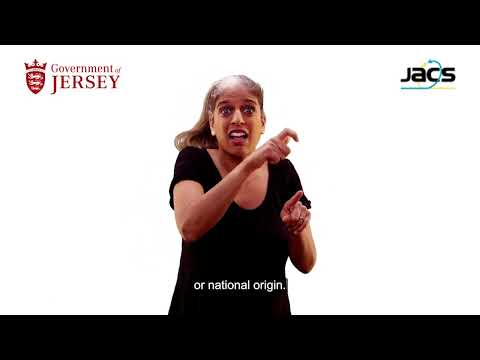
- Start with your dominant hand in a flat shape (like the letter ‘B’) and place it near your chest, palm facing inward.
- Move your hand outward and slightly to the side, while keeping your fingers together. This motion represents the idea of spreading out or encompassing different cultures.
- As you make this movement, engage your facial expressions to reflect the seriousness or importance of the topic. Raise your eyebrows slightly to indicate that you are sharing information.
- Remember to use eye contact and utilize the space around you to emphasize different ethnicities or races, showing inclusivity.
Common Mistakes
- Omitting non-manual features, such as facial expressions, which can change the meaning of the sign.
- Using the wrong hand shape; ensure your hand is flat and not in a fist or loose shape.
- Not utilizing space effectively to convey diversity, which can limit understanding of the sign’s context.
BSL vs ASL
In BSL, the sign for “race ethnicity” is performed using a flat hand shape and a specific movement that indicates inclusivity. In contrast, ASL uses a different handshape and motion, often involving more finger-spelling or specific signs for different ethnicities. This highlights the unique grammatical structures and cultural contexts of each sign language.
Related Signs
- Culture – Sign representing cultural practices and beliefs.
- Identity – This sign conveys a person’s sense of self and belonging.
- Community – Sign used to discuss groups of people with shared interests or backgrounds.
- Diversity – Represents the presence of different cultures and ethnicities.
- Inclusion – Sign that promotes the idea of including everyone, regardless of their background.
Frequently Asked Questions
How can I use “race ethnicity” in a BSL sentence?
You might sign, “MY RACE ETHNICITY (sign) IS (your ethnicity).” This shows personal identity clearly.
Are there regional variations of this sign in the UK?
While the core sign remains consistent, some regional variations in facial expressions or hand movements may exist, reflecting local dialects.
What are some similar signs to “race ethnicity”?
Signs like “culture” and “identity” are closely related, as they all pertain to personal and group identities.
Any tips for learning this sign?
Practice in front of a mirror to refine your hand shapes and facial expressions, and ask for feedback from Deaf friends.
Can I use this sign in formal settings?
Yes, it’s appropriate for discussions in both formal and informal contexts, especially when addressing diversity.
How does this sign relate to social issues?
The sign is vital for discussing race and ethnicity in social contexts, making it relevant for conversations about equality and inclusion.
Practice This Sign
Try signing Race Ethnicity In Bsl with your camera and get AI coaching on your handshape, movement, and location.
Free · No signup required