
Panic in British Sign Language (BSL)

The sign for “panic” in BSL expresses a sudden feeling of intense fear or anxiety. It is often used in contexts where someone is feeling overwhelmed or in a stressful situation. This sign can be particularly relevant in discussions about mental health or during conversations about emergencies.
How to Sign “Panic” in BSL
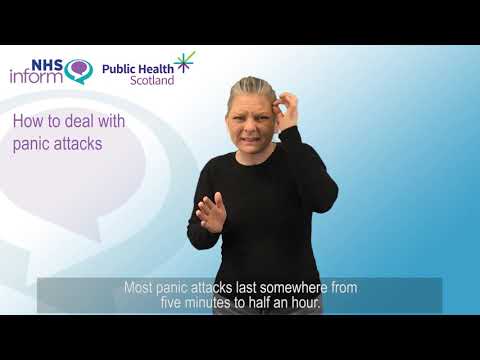
- Start with both hands open in front of your chest, fingers spread wide.
- Bring your hands towards your chest, slightly curling your fingers inwards as you do this.
- As you bring your hands closer, raise your eyebrows to show the intensity of the emotion.
- Quickly move your hands outwards and away from your chest, palms facing outward, while maintaining a worried facial expression.
Common Mistakes
- Not using the correct facial expressions; emotions play a crucial role in conveying the meaning of the sign.
- Using only one hand instead of both, which can make the sign less expressive.
- Forgetting to use space effectively; the movement should be clear and energetic to represent panic.
BSL vs ASL
In BSL, the sign for “panic” utilizes both hands and incorporates facial expressions to convey urgency. In contrast, ASL typically uses a different handshape and may not emphasize facial expressions to the same extent. Each language has its unique way of expressing emotions, reflecting cultural nuances.
Related Signs
- Anxiety – A sign used to express feelings of unease or worry.
- Stress – A sign indicating pressure or tension in situations.
- Fear – A sign representing a feeling of being frightened.
- Overwhelm – A sign for feelings of being overloaded or unable to cope.
- Emergency – A sign used in urgent situations requiring immediate attention.
Frequently Asked Questions
Can you use “panic” in a BSL sentence?
Yes! For example, you could sign, “I panic when I see spiders,” using the appropriate signs for “I,” “when,” and “see” around the sign for “panic.”
Are there regional variations for this sign in the UK?
While the sign is generally consistent, some areas may have slight variations in movement or facial expressions. It’s always good to learn from local Deaf signers.
What are some signs similar to “panic”?
Related signs include “anxiety,” “fear,” and “stress,” which all describe different emotional states but can be contextually linked.
Any tips for learning this sign effectively?
Practice in front of a mirror to check your facial expressions and hand movements. Watching videos of native signers can also help you learn the nuances.
Is the sign for “panic” used in everyday conversations?
Yes, it’s commonly used in discussions about emotions, mental health, or stressful situations, making it a relevant sign to know.
Can I use “panic” to describe situations, not just emotions?
Absolutely! You can use the sign to describe panic-inducing scenarios, such as emergencies or unexpected events.
Practice This Sign
Try signing Panic In Bsl with your camera and get AI coaching on your handshape, movement, and location.
Free · No signup required