
Pale in British Sign Language (BSL)

The sign for “pale” in BSL is used to describe someone or something that has a light complexion or colour. It’s commonly used in conversations about appearance, health, or even emotions. This sign can be a helpful way to convey descriptions and feelings in various contexts within the UK Deaf community.
How to Sign “Pale” in BSL
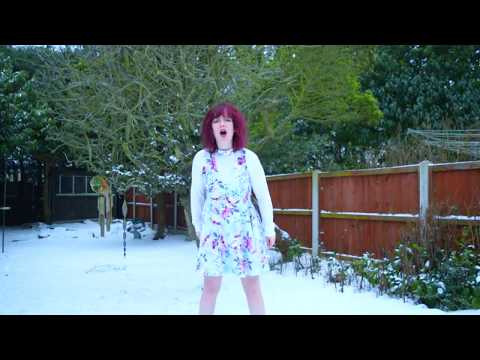
- Start with your dominant hand in a ‘flat hand’ shape (palm facing towards you).
- Position your hand at chest level, with fingers slightly spread apart.
- Move your hand forward and slightly away from your body while maintaining the flat shape.
- As you do this, slightly raise your eyebrows to indicate the topic of the sign (the person or object being described).
- Maintain a neutral or concerned facial expression to convey the meaning of ‘pale’.
Common Mistakes
- Forgetting to use non-manual features, such as facial expressions, can lead to misunderstandings.
- Using the wrong hand shape; ensure your hand is flat and not in a fist or other shape.
- Neglecting the topic-comment structure, which is essential for clear communication in BSL.
BSL vs ASL
In BSL, the sign for “pale” involves a flat hand and a specific movement away from the body, while in ASL, the sign may use a different handshape and movement. BSL places a strong emphasis on facial expressions and the topic-comment structure, which may not be as pronounced in ASL.
Related Signs
- Light – Used to describe brightness or a light colour.
- Colour – A general term for hues in BSL.
- Sick – Can be related to a pale appearance due to illness.
- Sunburn – Opposite of pale, used to describe a reddened complexion.
- Faint – Related to feeling weak or losing colour.
Frequently Asked Questions
How do I use “pale” in a BSL sentence?
You can use “pale” to describe a person: “HE pale,” with a raised eyebrow to indicate you’re talking about someone’s complexion.
Are there regional variations for the sign “pale” in the UK?
While the sign is generally consistent, some regions may have slight variations in movement or facial expressions.
What are some similar signs to “pale”?
Related signs include “light” and “sick,” which can also convey aspects of appearance.
What tips do you have for learning this sign?
Practice in front of a mirror and pay attention to your facial expressions; they are crucial in BSL.
Can I use “pale” to describe emotions?
Yes, “pale” can describe someone’s emotional state, such as fear or shock, where a pale complexion may be evident.
How does the context change the meaning of “pale”?
The context can determine whether you are discussing someone’s health, appearance, or emotional state, so clarity is essential.
Practice This Sign
Try signing Pale In Bsl with your camera and get AI coaching on your handshape, movement, and location.
Free · No signup required