
Official Language in British Sign Language (BSL)
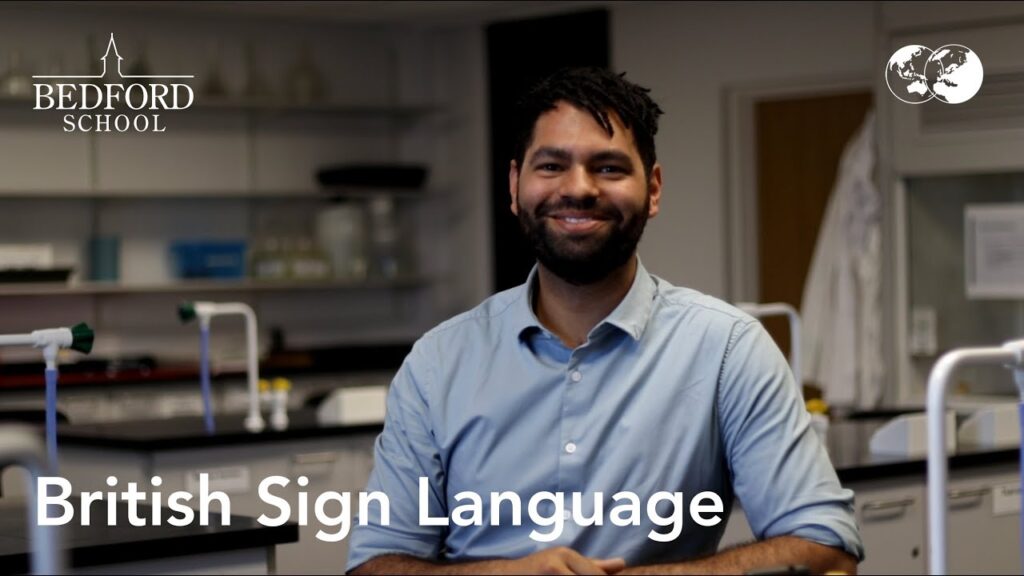
The sign for “Is British Sign Language an official language?” is often used in discussions about the recognition and status of BSL within the UK. This question is relevant to the Deaf community, as it touches on the rights and identity of Deaf individuals in society. It may be used in conversations about education, accessibility, and cultural heritage.
How to Sign “Official Language” in BSL

- Start with your dominant hand: Use the flat handshape, palm facing down.
- Position your hand: Place your hand at the side of your mouth, close to your chin.
- Move your hand: Make a small circular motion away from your mouth, while keeping the hand flat.
- Facial expression: Raise your eyebrows slightly to indicate that you are asking a question.
Common Mistakes
- Not using the flat handshape—some learners may use a fist instead.
- Forgetting to incorporate the facial expression, which is crucial for indicating that it’s a question.
- Misplacing the hand, leading to confusion with other signs.
BSL vs ASL
In BSL, the sign for “official language” is distinct and incorporates specific non-manual features. In contrast, American Sign Language (ASL) may use different handshapes and movements for similar concepts, reflecting the differences in structure and grammar between the two sign languages.
Related Signs
- LANGUAGE – The sign for language, often used in various contexts.
- BRITISH – This sign represents British identity.
- DEAF – A sign that signifies the Deaf community and identity.
- ASK – Used when inquiring or requesting information.
- IDENTITY – Represents cultural or personal identity.
Frequently Asked Questions
Can I use this sign in a sentence?
Yes, you can incorporate it into a sentence by using the topic-comment structure, such as “BSL, is it official language?”
Are there regional variations in this sign across the UK?
While the sign is generally consistent, some regions may have slight variations in movement or handshape.
Is there a sign for “official”?
Yes, “official” can be signed separately, often involving a specific handshape and movement.
What are some tips for learning this sign?
Practice in front of a mirror to check your handshape and facial expressions, and ask for feedback from fluent signers.
How can I improve my BSL skills?
Engage with the Deaf community, attend classes, and practice regularly with peers or online resources.
Is this sign used in formal settings?
Yes, it’s appropriate in formal contexts where discussing BSL’s status is relevant, such as in education or advocacy.
What similar signs should I know?
Familiarize yourself with signs like “LANGUAGE”, “DEAF”, and “IDENTITY” for better communication in discussions about Deaf culture.
Practice ASL Signs
Use your camera to practice signs and get real-time AI feedback on your technique.
Free · No signup required