
Offence in British Sign Language (BSL)

The sign for “offence” in British Sign Language (BSL) is used to express feelings of wrongdoing or insult. It can often be seen in discussions around personal boundaries, feelings, or legal matters within the UK Deaf community. Understanding this sign is essential for effective communication about sensitive topics.
How to Sign “Offence” in BSL
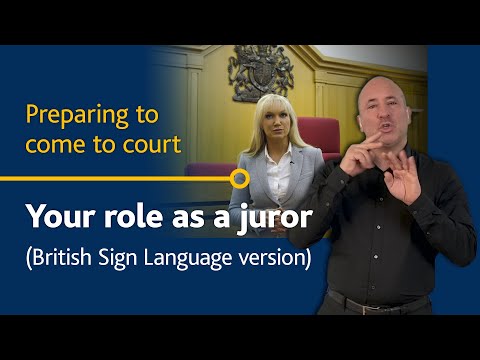
- Start with your dominant hand in a flat shape (like a “B” handshape) at chest level.
- Position your hand slightly forward and to the side, away from your body.
- Move your hand away from your body in a small arc, while maintaining the flat shape.
- As you move your hand, furrow your brow and create a facial expression that indicates seriousness or disapproval.
- Finish the movement in front of you, ensuring your hand is still flat and your expression clearly conveys the meaning of “offence.”
Common Mistakes
- Forgetting to use the appropriate facial expressions, which are crucial for conveying the seriousness of the sign.
- Using an incorrect handshape; ensure your hand remains flat throughout the sign.
- Performing the movement too quickly or without the necessary emphasis, making the sign unclear.
BSL vs ASL
In American Sign Language (ASL), the sign for “offence” differs significantly from BSL. While BSL uses a flat handshape to indicate wrongdoing, ASL often employs a more expressive motion with a different handshape. This highlights the unique grammatical structures and cultural nuances present in each sign language.
Related Signs
- Anger – Expressing feelings of anger or frustration.
- Insult – Indicating a derogatory remark or action.
- Boundaries – Discussing personal limits and respect.
- Respect – Signifying honour or regard for others.
- Agree – Indicating consensus or approval.
Frequently Asked Questions
How do I use “offence” in a BSL sentence?
For example, you can sign “I feel offence” by combining the sign for “I” with “feel” followed by the sign for “offence.”
Are there regional variations in the sign for “offence”?
While the sign is generally consistent across the UK, some regions may have slight variations in movement or emphasis.
What signs are similar to “offence”?
Signs like “anger,” “insult,” and “boundaries” relate closely to the concept of “offence” and can be used in similar contexts.
What tips do you have for learning this sign?
Practice in front of a mirror to ensure your facial expressions match the seriousness of the sign, and observe fluent signers for guidance.
Can “offence” be used in casual conversations?
Yes, but it’s more commonly used in serious discussions about feelings or situations that involve a breach of respect.
Is there a sign for “unintentional offence”?
While there isn’t a specific sign for “unintentional offence,” you can combine the sign for “offence” with “sorry” to convey the meaning.
Practice This Sign
Try signing Offence In Bsl with your camera and get AI coaching on your handshape, movement, and location.
Free · No signup required