
Obey in British Sign Language (BSL)

The sign for “obey” in British Sign Language (BSL) conveys the concept of following rules, instructions, or authority figures. This sign is often used in contexts such as education, parenting, and discussions about compliance. It’s a valuable sign in both everyday conversations and more formal situations.
How to Sign “Obey” in BSL
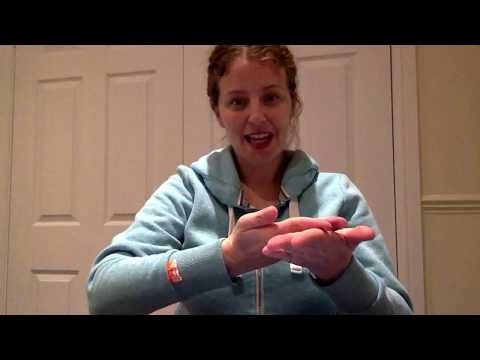
- Start with your dominant hand in a flat handshape (like a ‘B’ handshape) with your palm facing down.
- Position your hand in front of your chest, about shoulder height.
- Move your hand downwards slightly while keeping your palm facing down, as if you are pushing down a rule or instruction.
- Use a serious facial expression to convey the importance of obeying; this adds meaning to the sign. Your eyebrows should be furrowed slightly to indicate seriousness.
Common Mistakes
- Forgetting to use the correct facial expression, which can change the meaning of the sign.
- Using an incorrect handshape, such as a fist instead of a flat hand, which can confuse the sign’s intent.
- Not maintaining the proper space in front of the body, which can lead to misinterpretation of the sign.
BSL vs ASL
In American Sign Language (ASL), the sign for “obey” is quite different in both handshape and movement. While BSL uses a flat hand and downward motion, ASL often involves a more complex sign that incorporates different handshapes and spatial orientation. Understanding these differences highlights the unique aspects of each sign language.
Related Signs
- Follow – A sign used to indicate following someone or something.
- Rule – Represents a guideline or principle to be followed.
- Instruction – Refers to directions or commands given.
- Respect – Signifying the importance of acknowledging authority or rules.
- Listen – Indicates the act of paying attention, often related to obeying instructions.
Frequently Asked Questions
How can I use “obey” in a BSL sentence?
You can say, “I always obey my parents,” by signing “I” (point to yourself), “obey” (the sign), and “parents” (the sign for parents).
Are there regional variations for this sign in the UK?
While “obey” is generally consistent, some regions may have slight variations in hand movement or facial expressions. It’s best to learn from local users.
What are some signs similar to “obey”?
Signs like “follow” and “listen” are related, as they also involve compliance and attentiveness.
What tips do you have for learning this sign?
Practice with a partner to get feedback on your handshape and facial expressions, and watch native signers to see how they use the sign in context.
Is “obey” used in formal contexts as well?
Yes, “obey” is used in both formal and informal settings, especially in discussions about rules or authority.
Can children use this sign effectively?
Absolutely! Teaching children this sign can help them understand the importance of following instructions.
Practice This Sign
Try signing Obey In Bsl with your camera and get AI coaching on your handshape, movement, and location.
Free · No signup required