
Nag in British Sign Language (BSL)
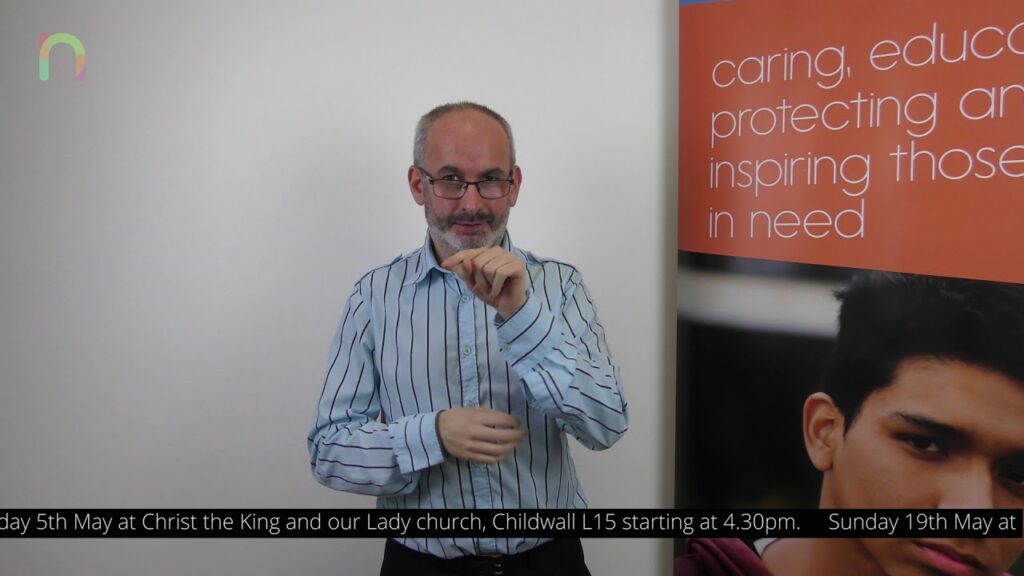
The sign “nag” in BSL refers to persistently annoying or complaining about something. It’s commonly used in casual conversations within the UK Deaf community to express frustration or discontent with someone’s constant reminders or complaints. This sign can be used playfully among friends or more seriously in discussions about issues.
How to Sign “Nag”

- Start with your dominant hand in a flat handshape (like a ‘B’ handshape) and position it near your mouth.
- Move your hand away from your mouth while slightly bending your elbow, as if you are pushing away something annoying.
- While you perform this movement, show a facial expression that reflects annoyance or frustration; this adds meaning to the sign.
- For emphasis, you can repeat the movement a couple of times, increasing the intensity of your facial expression each time.
Common Mistakes
- Forgetting to use facial expressions, which are crucial in BSL to convey the emotion behind the sign.
- Not maintaining the correct handshape, which can lead to confusion with other signs.
- Performing the sign too quickly, losing the clarity of the movement and expression.
BSL vs ASL
In BSL, the sign for “nag” focuses on the movement away from the face with a flat handshape, while in ASL, different signs and gestures may be used to convey similar meanings. Each language has its unique structure and expressions, reflecting cultural nuances.
Related Signs
- Complain – Used to express grievances or dissatisfaction.
- Remind – Indicates prompting someone to remember something.
- Bother – To indicate being disturbed or annoyed by someone or something.
- Argue – Refers to a dispute or disagreement between people.
- Annoy – Expresses irritation or displeasure with someone’s actions.
Frequently Asked Questions
How do I use “nag” in a BSL sentence?
You can use “nag” in a sentence like this: “Friend (topic) nag (comment) me (indicating the action).” Remember to incorporate appropriate facial expressions.
Are there regional variations for this sign in the UK?
While “nag” is generally consistent, some regions may have slight variations in movement or emphasis. It’s great to learn from local signers.
What signs are similar to “nag”?
Similar signs include “complain,” “bother,” and “annoy,” which also convey feelings of irritation. Each has its unique context and usage.
What tips do you have for learning this sign?
Practice with a partner to get feedback on your facial expressions and hand movements. Watching videos can also help improve your sign accuracy.
Can “nag” be used in a playful way?
Yes, it can be used playfully among friends, depending on your facial expressions and context. Tone and delivery are key to conveying the intended meaning.
Is “nag” commonly used in everyday conversation?
Yes, it’s a relatable sign that often comes up in casual conversations, especially when discussing annoying habits or reminders.
Practice ASL Signs
Use your camera to practice signs and get real-time AI feedback on your technique.
Free · No signup required