
My in British Sign Language (BSL)
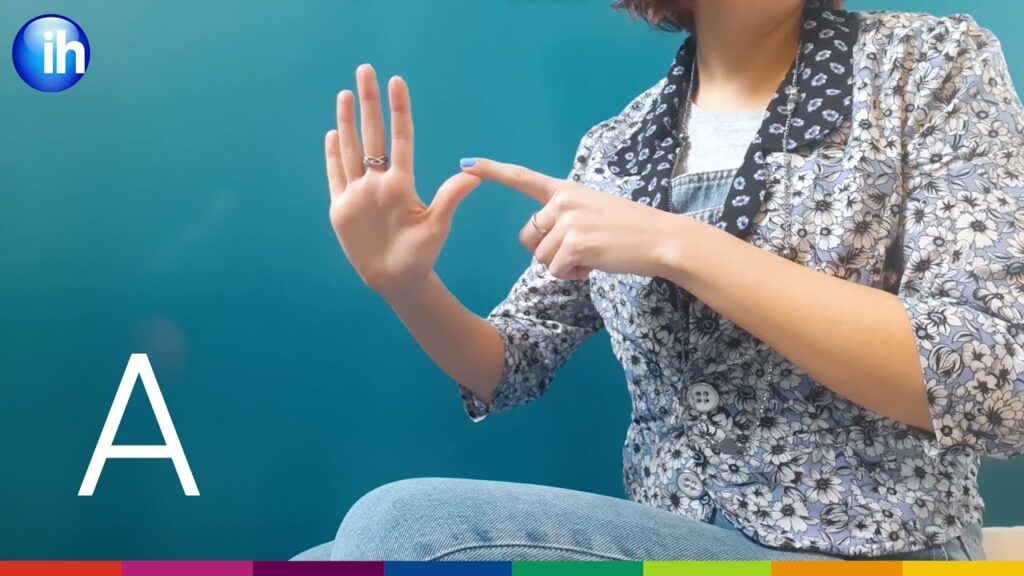
The sign for “my” in BSL is used to indicate possession, showing that something belongs to you. It’s a simple yet essential sign frequently used in everyday conversation among the UK Deaf community. This sign can convey personal relationships, belongings, or feelings.
How to Sign “My”
- Start with your dominant hand in a flat “B” handshape. Your fingers should be extended and together, with your palm facing inward towards your body.
- Position your hand near your chest or just below your chin, depending on comfort and context.
- Move your hand slightly forward, away from your body, in a gentle motion. This motion should be smooth and not too exaggerated.
- While performing the sign, maintain a neutral facial expression or give a slight smile to show warmth and friendliness. Non-manual features are important in BSL.
Common Mistakes
- Some learners may forget to use the correct handshape, opting for a closed fist instead of the flat “B” handshape.
- Moving the hand too far from the body can make the sign unclear; the sign should remain close to the chest.
- Neglecting facial expressions can make the sign feel less natural; remember to incorporate appropriate non-manual features.
BSL vs ASL
In BSL, the sign for “my” involves a flat hand moving away from the body, while in ASL, the sign typically uses a closed fist that moves towards the body. This difference exemplifies the unique grammar and structure of each sign language.
Related Signs
- Friend – A sign used to refer to a companion or someone you have a close relationship with.
- Family – This sign refers to family members or your family as a whole.
- Love – A sign expressing affection or strong emotional attachment.
- Your – A sign used to indicate possession, similar to “my,” but from the perspective of the other person.
- Mine – This sign emphasizes that something belongs to you, often used for emphasis.
Frequently Asked Questions
How do I use “my” in a BSL sentence?
You can use “my” to indicate possession in sentences, such as “my book” (sign for “my” + sign for “book”).
Are there regional variations for this sign in the UK?
The sign “my” is quite consistent across the UK, though some regional variations may exist in the movement or facial expressions.
What are some similar signs to “my”?
Signs like “your” and “mine” are similar as they also indicate possession but are used from different perspectives.
What tips do you have for learning this sign?
Practice in front of a mirror to ensure your handshape and movement are correct, and remember to include facial expressions.
Can “my” be used in different contexts?
Yes, “my” can be used with various nouns to indicate ownership, such as “my friend” or “my house.”
How does the sign “my” fit into BSL grammar?
In BSL, using “my” effectively follows the topic-comment structure, where “my” acts as the topic, followed by the comment such as the object owned.
What facial expressions should I use when signing “my”?
Use facial expressions that match the context, such as a smile for a happy possession or a serious look for something important.
Practice ASL Signs
Use your camera to practice signs and get real-time AI feedback on your technique.
Free · No signup required