
Left Handed in British Sign Language (BSL)

The sign for “left handed” in British Sign Language (BSL) is commonly used within the UK Deaf community to refer to individuals who are left-handed. This sign can be particularly useful in discussions about writing, sports, or activities where handedness plays a significant role. Understanding this sign helps to foster inclusivity and awareness in conversations.
How to Sign “Left Handed” in BSL
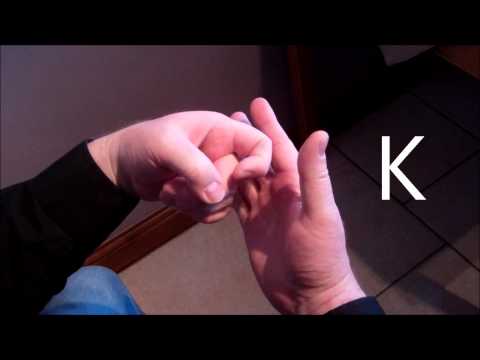
- Start with your dominant hand, which in this case is your left hand.
- Form the “L” handshape by extending your thumb and index finger while keeping the other fingers tucked in.
- Position your left hand in front of your body, with the palm facing outwards.
- Move your hand slightly to the left, keeping the “L” shape intact.
- Use facial expressions to indicate the topic. A nod can show affirmation that you are talking about someone who is left-handed.
Common Mistakes
- Using the right hand instead of the left hand, which confuses the meaning.
- Not using the correct “L” handshape, which can lead to misunderstanding.
- Failing to incorporate facial expressions, which are essential in BSL for conveying the topic and emotion.
BSL vs ASL
In American Sign Language (ASL), the sign for “left handed” is quite different. ASL typically uses a different handshape and movement, reflecting the unique grammar and structure of that language. It’s important to recognise these differences when learning signs from different signing communities.
Related Signs
- Right Handed – The opposite sign used to describe someone who is right-handed.
- Dominant Hand – Refers to the hand that a person uses most often for tasks.
- Hand – A basic sign used frequently in various contexts.
- Write – Related to actions performed with hands, including writing.
- Sport – Often discussed in relation to handedness.
Frequently Asked Questions
How do I use “left handed” in a BSL sentence?
You can use “left handed” in a sentence by setting the topic first with a nod, then signing “left handed” to indicate who you are talking about.
Are there regional variations for this sign in the UK?
While the sign for “left handed” is generally consistent, some regions may have slight variations in movement or emphasis, so it’s good to observe local signing.
What are some similar signs to “left handed”?
Similar signs include “right handed,” “dominant hand,” and “write,” all of which relate to how we use our hands.
What tips can you give for learning this sign?
Practice in front of a mirror to ensure your handshape and movement are correct, and watch native BSL users to see how they incorporate facial expressions.
Is it necessary to use facial expressions when signing?
Yes, facial expressions are crucial in BSL as they add context and emotion to the sign, helping convey meaning more effectively.
Can I use this sign in a conversation about sports?
Absolutely! Discussing handedness is particularly relevant in sports, where it can influence performance and technique.
Practice ASL Signs
Use your camera to practice signs and get real-time AI feedback on your technique.
Free · No signup required