
Kiln in British Sign Language (BSL)

The sign for “kiln” is used within the UK Deaf community, particularly in contexts related to pottery, ceramics, and art. A kiln is a vital piece of equipment for artists and potters, used for firing clay, so this sign can often be seen in art classes or workshops. Understanding how to sign this word helps facilitate communication in these environments.
How to Sign “Kiln”
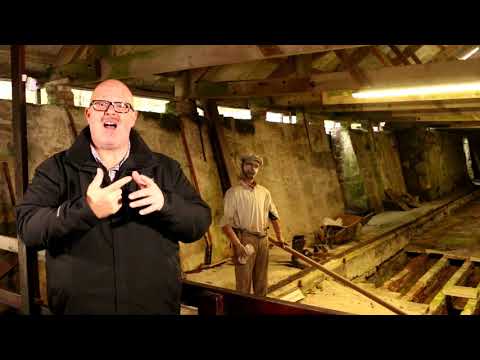
- Start with your dominant hand in a “K” handshape (index finger and middle finger extended, while the thumb and ring finger are folded down).
- Position your hand in front of you, approximately at chest height, with your palm facing towards you.
- Move your hand forward slightly while tilting it upwards, as if showing the shape of the kiln.
- Maintain a neutral facial expression to indicate that you are providing information.
- Optionally, you can use your non-dominant hand to represent the base of the kiln by placing it flat under your dominant hand, enhancing the visual representation.
Common Mistakes
- Forgetting to use the correct handshape; using a flat hand instead of the “K” handshape.
- Not maintaining the appropriate facial expression, which can lead to confusion about the sign’s meaning.
- Failing to use space effectively, which can result in the sign appearing unclear or ambiguous.
BSL vs ASL
In BSL, the sign for “kiln” uses a “K” handshape and a specific movement to represent the object. In contrast, ASL employs a different handshape and motion, highlighting the variations between the two sign languages. It’s essential to be aware of these differences if you’re learning both BSL and ASL.
Related Signs
- Ceramics – The art of making pottery and other clay objects.
- Pottery – The craft of shaping and firing clay into functional or decorative items.
- Art – A broad term encompassing various creative expressions, including painting and sculpture.
- Sculpture – A three-dimensional art form created by shaping materials.
- Fire – Often used in conjunction with kiln-related discussions.
Frequently Asked Questions
How can I use “kiln” in a BSL sentence?
You can say “I use a kiln for my pottery” by signing “I” (point to yourself), followed by “KILN,” and then “POTTERY” to indicate your activities.
Are there regional variations for the sign “kiln”?
While the sign is generally consistent, some regions may have slight variations in movement or handshape. Observing local signers can help you adapt.
What are some similar signs to “kiln”?
Signs like “ceramics” and “pottery” are closely related, as they are often discussed together in artistic contexts.
Any tips for learning this sign?
Practice in front of a mirror to ensure your handshape and movement are accurate, and consider watching videos of fluent signers to see the sign in context.
Is “kiln” used in other contexts?
Yes, while primarily associated with pottery, “kiln” can also be referenced in discussions about glass art and other materials that require firing.
What non-manual features should I include?
Keep a neutral or interested expression to convey the importance of the topic. Nodding slightly can also show engagement when discussing kilns and their function.
Practice ASL Signs
Use your camera to practice signs and get real-time AI feedback on your technique.
Free · No signup required