
Gale in British Sign Language (BSL)

The sign for “gale” in BSL refers to a strong wind, often associated with stormy weather. It’s commonly used in discussions about the weather, particularly in coastal areas of the UK where gales can affect daily life and safety. This sign can be useful in conversations about travel plans, outdoor activities, or even in reporting weather conditions.
How to Sign “Gale” in BSL
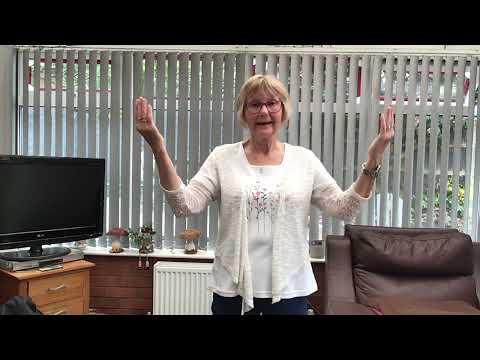
- Start with both hands in a flat “B” shape (palms facing down).
- Position your hands at shoulder height, slightly apart from each other.
- Move your hands outward and slightly upwards, as if illustrating the force of the wind spreading out.
- While doing this movement, use a facial expression that indicates intensity or strength, such as furrowing your brows.
- Optionally, you can tilt your head to one side to add emphasis and context to the sign.
Common Mistakes
- Forgetting to use facial expressions, which are crucial in BSL to convey the intensity of the sign.
- Using a static hand position instead of the outward movement, which can make the sign unclear.
- Not maintaining the correct handshape, leading to confusion with other signs.
BSL vs ASL
In BSL, the sign for “gale” focuses on hand movements that illustrate the force of the wind, while in ASL, the sign may differ in handshape and often uses different spatial relationships. BSL tends to incorporate more non-manual features for emphasis, while ASL may rely more heavily on specific handshapes.
Related Signs
- Wind – The general sign for wind in BSL.
- Weather – Used to discuss weather conditions.
- Storm – Refers to severe weather events, including gales.
- Rain – Indicates falling rain, often used in weather discussions.
- Sky – Useful for broader discussions about weather and atmosphere.
Frequently Asked Questions
How can I use “gale” in a BSL sentence?
You can use “gale” in a sentence like this: “Gale strong today” (Gale + strong + today) to indicate the weather condition.
Are there regional variations for this sign in the UK?
While the sign for “gale” is generally consistent, some regions may have slight variations in the movement or handshape based on local dialects.
What are similar signs to “gale”?
Signs like “storm,” “wind,” and “weather” are commonly used in similar contexts and can enhance your weather-related vocabulary.
What tips do you have for learning this sign?
Practicing in front of a mirror can help you refine your handshape and facial expressions, ensuring clarity in your signing.
Can I use “gale” in casual conversations?
Absolutely! Discussing weather, including gales, is a common topic in everyday conversations among the Deaf community.
Is there a specific context for using this sign?
The sign is most appropriate during discussions about weather forecasts, travel plans, or outdoor activities where wind conditions are relevant.
Practice ASL Signs
Use your camera to practice signs and get real-time AI feedback on your technique.
Free · No signup required