
Fade in British Sign Language (BSL)
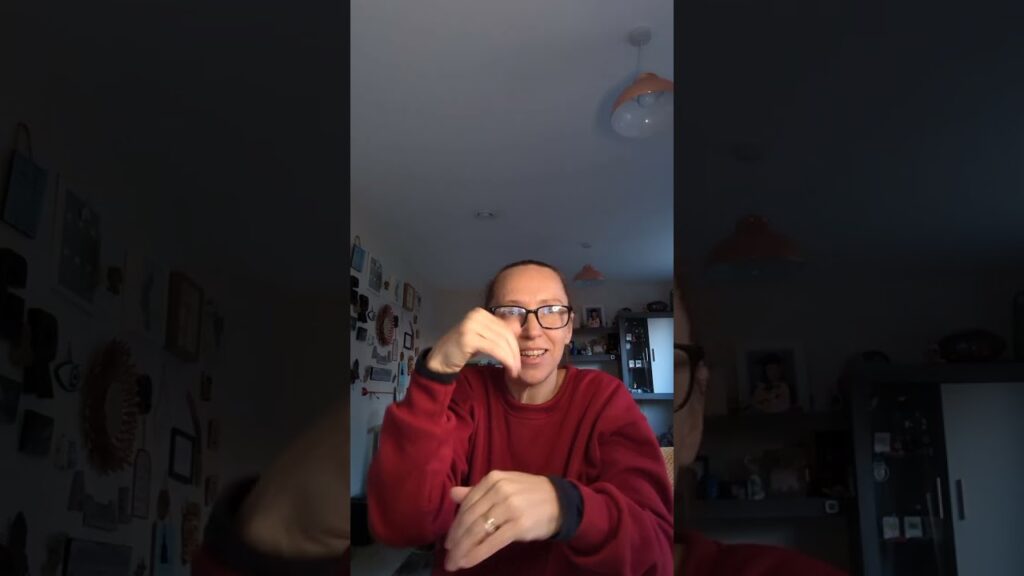
The sign “fade in” is often used in contexts related to film, music, or visual presentations within the UK Deaf community. It describes the gradual increase in visibility or volume, much like the technique used in media. This sign can be especially useful in discussions about editing or performance techniques.
How to Sign “Fade” in BSL
- Start with your dominant hand in a flat ‘B’ handshape (palm facing down) held in front of your body.
- Position your hand at the lower part of your chest, approximately at waist level.
- While maintaining the handshape, slowly raise your hand upwards, moving it to about shoulder height.
- As you raise your hand, gradually change your facial expression to show a sense of increase or growth, perhaps by widening your eyes slightly and raising your eyebrows.
- Finish with your hand at shoulder height, palm facing forward, maintaining that expression of gradual increase.
Common Mistakes
- Not using the correct handshape; some may confuse it with other signs.
- Raising the hand too quickly, which can change the meaning of the sign.
- Neglecting facial expressions, which are crucial for conveying the sign’s full meaning.
BSL vs ASL
In BSL, “fade in” is represented with a specific hand movement that emphasizes a gradual increase, while in ASL, the sign may differ significantly in both handshape and movement. BSL focuses more on the motion and the accompanying facial expressions, whereas ASL might use a different sign entirely.
Related Signs
- Film – Used to discuss movies or cinema.
- Music – Refers to musical context or sound.
- Edit – Related to editing processes in media.
- Grow – To indicate an increase or expansion.
- Sound – Related to auditory experiences.
Frequently Asked Questions
How can I use “fade in” in a BSL sentence?
You can use it in a sentence like: “I want to fade in the music for the video,” which would be signed with “MUSIC FADE IN VIDEO.”
Are there regional variations in signing “fade in”?
While “fade in” is widely understood, some regional variations may exist in hand movement speed or facial expressions. Always check with local signers.
What are some similar signs to “fade in”?
Signs like “grow” or “increase” can express similar ideas but may not convey the same specific context.
What tips do you have for learning this sign?
Practice in front of a mirror to ensure your hand movements and facial expressions match the sign’s meaning. Watching videos can also help.
Is “fade in” used in different contexts?
Yes, it can be used in discussions about sound, visuals, or even emotions to describe a gradual change.
Can I use “fade in” in storytelling?
Absolutely! Using “fade in” can enhance your storytelling by emphasizing transitions or changes in scenes.
Practice ASL Signs
Use your camera to practice signs and get real-time AI feedback on your technique.
Free · No signup required