
Ear in British Sign Language (BSL)
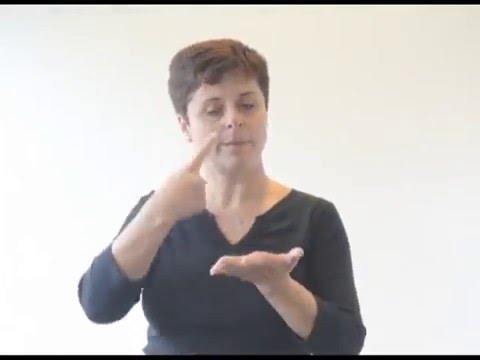
The sign for “ear” in British Sign Language (BSL) is a fundamental term often used in everyday conversations, especially when discussing health, listening, or sensory experiences. It is commonly used within the UK Deaf community to refer to the ear as a body part, as well as to talk about hearing-related topics.
How to Sign “Ear” in BSL
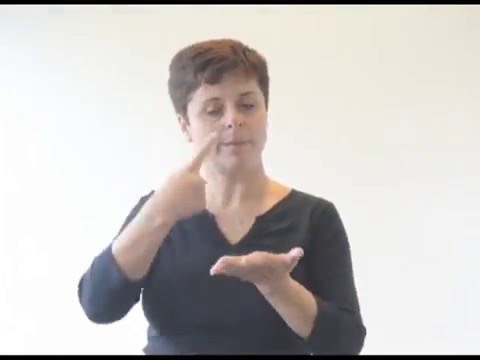
- Start with your dominant hand in an open “5” handshape (fingers spread wide).
- Position your hand near the side of your head, with the palm facing your ear.
- Gently move your hand back and forth towards your ear, mimicking the shape and location of an ear.
- While performing the sign, maintain a neutral facial expression, or slightly raise your eyebrows to indicate you’re sharing information.
Common Mistakes
- Using the wrong handshape: Some learners mistakenly use a flat hand or a fist instead of the “5” handshape.
- Incorrect positioning: Placing the hand too far away from the head can cause confusion about the sign’s meaning.
- Neglecting facial expressions: Learners often forget to use appropriate non-manual features, which are crucial for conveying the right message in BSL.
BSL vs ASL
In American Sign Language (ASL), the sign for “ear” is quite different from BSL. In ASL, a flat hand is placed near the ear and moved away slightly, while in BSL, the “5” handshape is used to more closely represent the ear’s location on the head. This highlights the distinct visual languages of BSL and ASL.
Related Signs
- Eye – the sign for the eye, another important body part.
- Listen – the act of actively hearing and understanding sounds.
- Hear – sign used to indicate the sense of hearing.
- Head – the sign for the head, often used in conjunction with other body signs.
- Sound – a sign related to auditory experiences.
Frequently Asked Questions
Can “ear” be used in a sentence?
Yes, you can use “ear” in sentences such as “I have an earache,” which would incorporate the sign along with context to clarify the meaning.
Are there regional variations for the sign “ear” in BSL?
While “ear” is generally consistent across the UK, some regions may have slight variations in movement or hand positioning. Observing local signers can be helpful.
Are there similar signs to “ear”?
Yes, signs like “eye” and “nose” share similar handshapes and movements, making them easier to learn alongside “ear.”
What tips do you have for learning this sign?
Practice in front of a mirror to ensure correct handshape and positioning. Watching videos of native signers can also enhance your understanding of the sign’s use.
Is “ear” used in deaf culture discussions?
Absolutely! Discussions about hearing, audiology, and communication often involve the sign “ear,” making it relevant in various contexts within Deaf culture.
How is context important when using the sign “ear”?
Context is crucial in BSL, as the same sign can have different meanings based on facial expressions and the surrounding conversation.
Practice ASL Signs
Use your camera to practice signs and get real-time AI feedback on your technique.
Free · No signup required