
Definition in British Sign Language (BSL)
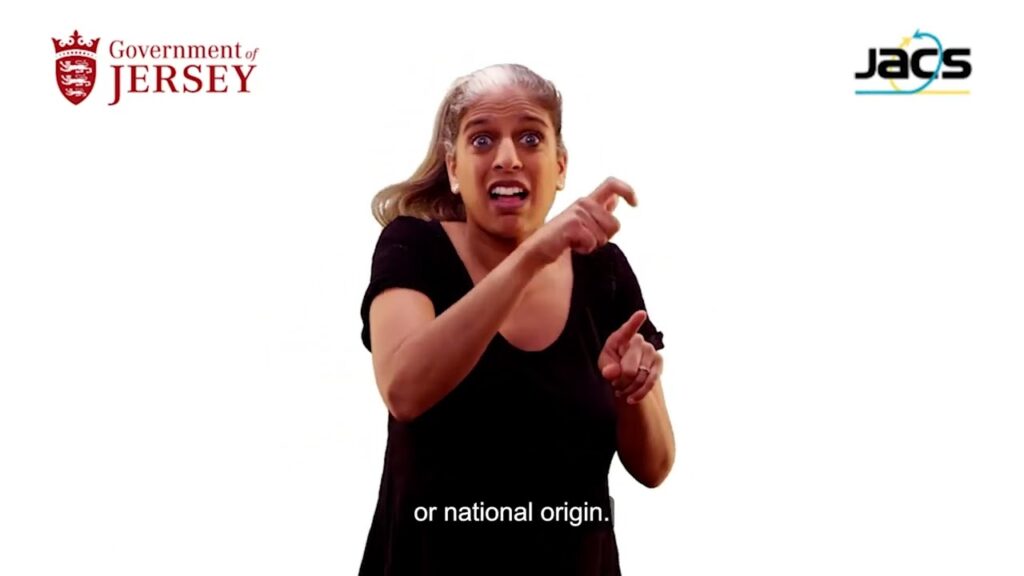
The sign for “British Sign Language” is essential for identifying and discussing the language used within the UK Deaf community. It is commonly used in educational settings, meetings, and social interactions among Deaf individuals. This sign reflects pride in the language and culture of the Deaf community in the UK.
How to Sign “Definition” in BSL

- Start with your dominant hand in a flat “B” shape, palm facing down.
- Position your hand at about shoulder height, slightly in front of you.
- Move your hand forward and slightly upward in a small arc, maintaining the “B” shape.
- As you move your hand, use facial expressions to indicate clarity and emphasis.
- Finish the movement by bringing your hand back to the starting position while maintaining eye contact with your audience.
Common Mistakes
- Using the wrong handshape; ensure the “B” shape is correct.
- Not using facial expressions; these are important for conveying meaning in BSL.
- Incorrect positioning of the hand; it should be at shoulder height, not too low or high.
BSL vs ASL
In BSL, the sign for “British Sign Language” is performed with a specific handshape and movement, while in ASL (American Sign Language), the sign is different and may involve different handshapes and motions. Understanding these differences is crucial for effective communication across sign languages.
Related Signs
- Bsl – This sign refers to the broader concept of sign language.
- 1 – The sign for the number one, often used in various contexts.
- 10 – The sign for ten, useful for counting.
- 100 – The sign for one hundred, often used in discussions about quantities.
- 11 – The sign for eleven, important for numerical contexts.
Frequently Asked Questions
Can I use this sign in BSL sentences?
Yes, you can incorporate this sign into sentences to specify that you are referring to British Sign Language.
Are there regional variations of this sign across the UK?
While the sign is generally consistent, some regional dialects may have slight variations in movement or facial expressions.
What other signs are similar to “British Sign Language”?
Signs like “Bsl” and “1” are related, as they pertain to language and counting.
What tips can help me learn this sign better?
Practice in front of a mirror and pay attention to your facial expressions and hand shapes. Watching native signers can also help.
How is this sign used in everyday conversations?
It’s commonly used when discussing Deaf culture, education, or when identifying the language during introductions.
Is this sign used in formal settings?
Yes, it is often used in educational, professional, and community meetings within the Deaf community.
Practice ASL Signs
Use your camera to practice signs and get real-time AI feedback on your technique.
Free · No signup required