
Data in British Sign Language (BSL)
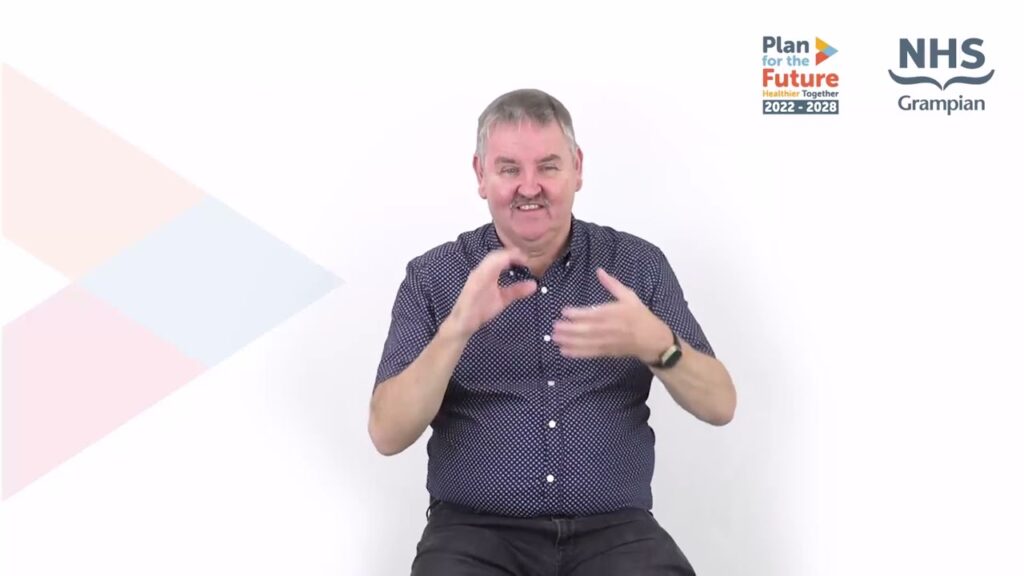
The sign for “data” in British Sign Language (BSL) refers to information that is collected, processed, or stored. It’s commonly used in discussions about technology, research, and statistics within the UK Deaf community. Understanding this sign is essential for engaging in conversations about digital information and data analysis.
How to Sign “Data” in BSL

- Start with your dominant hand in a flat ‘D’ shape (like a flat hand but with the index finger extended and the other fingers folded down).
- Place your ‘D’ hand palm facing down in front of you, at about chest height.
- Move your hand slightly forward and backward, indicating the concept of data being dynamic or changing.
- For “in BSL,” use both hands in a ‘B’ shape (fingers extended together, thumb folded against the palm) and place them in front of your body, touching at the fingertips, then move them apart slightly to show ‘in’.
- Finish by nodding your head or raising your eyebrows to emphasize the topic-comment structure, indicating you’re talking specifically about data in the context of BSL.
Common Mistakes
- Forgetting to use the topic-comment structure can lead to confusion; always establish the topic first.
- Neglecting non-manual features like facial expressions, which are essential for conveying meaning.
- Using the wrong handshape or not moving the hands correctly during the sign can alter the meaning.
BSL vs ASL
In American Sign Language (ASL), the sign for “data” differs significantly from BSL. ASL may use a different handshape and movement to convey the concept of data, reflecting the unique grammar and non-manual features of ASL.
Related Signs
- 1 – The sign for the number one.
- 10 – The sign for the number ten.
- 100 – The sign for the number one hundred.
- 11 – The sign for the number eleven.
- 12 – The sign for the number twelve.
Frequently Asked Questions
How do I use “data” in a BSL sentence?
You can use “data” as a topic by placing it first in your sentence. For example, “Data important” to indicate “Data is important.”
Are there regional variations for this sign in the UK?
While “data” is generally consistent, some regions may have slight variations in handshape or movement. It’s best to observe local signers.
What are some signs similar to “data”?
Signs for “information,” “statistics,” and “facts” are related and often used in the same context.
What tips do you have for learning this sign?
Practice with others, focus on the non-manual features, and be mindful of the topic-comment structure to enhance your signing.
Can “data” be used in different contexts?
Yes, “data” can refer to various types of information, from scientific data to personal data, depending on the conversation.
How do I express “data” in a more specific context?
You can add qualifiers or adjectives in BSL to specify the type of data, such as “scientific data” or “personal data.”
Practice ASL Signs
Use your camera to practice signs and get real-time AI feedback on your technique.
Free · No signup required