
Dancer in British Sign Language (BSL)
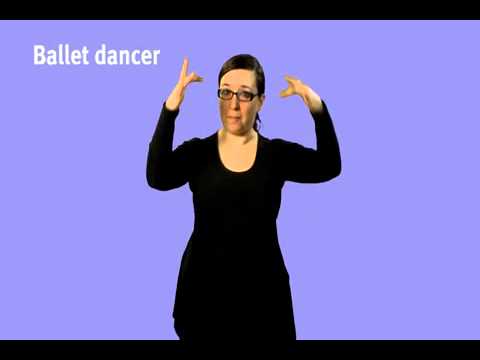
The sign for “dancer” in British Sign Language (BSL) is commonly used to refer to someone who dances, whether professionally or as a hobby. This sign is often seen in conversations about dance performances, classes, or even when discussing dance styles within the UK Deaf community.
How to Sign “Dancer” in BSL
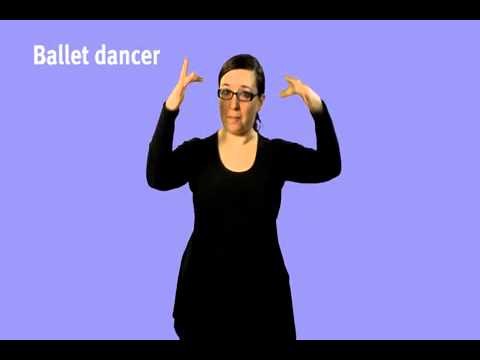
- Start with both hands in a ‘D’ shape (the index finger extended and the rest of the fingers tucked in).
- Position your hands at shoulder height, with palms facing forward.
- Move your hands in a circular motion, as if mimicking a dancer twirling or moving gracefully.
- Incorporate non-manual features by smiling and nodding slightly to show enjoyment and enthusiasm for dancing.
- Maintain a relaxed posture and use space effectively to enhance the visual impact of the sign.
Common Mistakes
One common mistake is using the wrong handshape; ensure you use the ‘D’ handshape for clarity. Another error is not incorporating facial expressions, which are essential in BSL to convey emotions. Lastly, some learners might forget to use space effectively, making the sign less dynamic.
BSL vs ASL
In American Sign Language (ASL), the sign for “dancer” is quite different, often involving a more exaggerated arm movement and a different handshape. BSL places a stronger emphasis on facial expressions and body language, reflecting the cultural nuances of the UK Deaf community.
Related Signs
- Dance – The general sign for dancing.
- Music – Often associated with dance.
- Performer – A broader term that includes dancers.
- Teach – Relevant for dance instructors.
- Performance – Related to dance events.
Frequently Asked Questions
How can I use “dancer” in a BSL sentence?
You can say “I am a dancer” by signing “I” (point to yourself) followed by “dancer”. Remember to use non-manual features to express your passion.
Are there regional variations for this sign in the UK?
While the sign is generally consistent, some regions may have slight variations in movement or emphasis. It’s always good to learn from local signers.
What are some similar signs to “dancer”?
Related signs include “dance”, “performer”, and “music”, which all connect to the theme of movement and artistic expression.
Any tips for learning this sign?
Practice in front of a mirror to observe your handshape and facial expressions. Watching dance performances can also provide context.
Can I use this sign in formal settings?
Yes, “dancer” is appropriate in both casual and formal settings, especially when discussing dance at events or performances.
How does facial expression affect the meaning?
Facial expressions add emotion and context, making the sign more engaging. A smile can indicate joy in dancing, while a more serious expression can convey dedication.
Practice ASL Signs
Use your camera to practice signs and get real-time AI feedback on your technique.
Free · No signup required