
BSL Interpreter Training in British Sign Language (BSL)
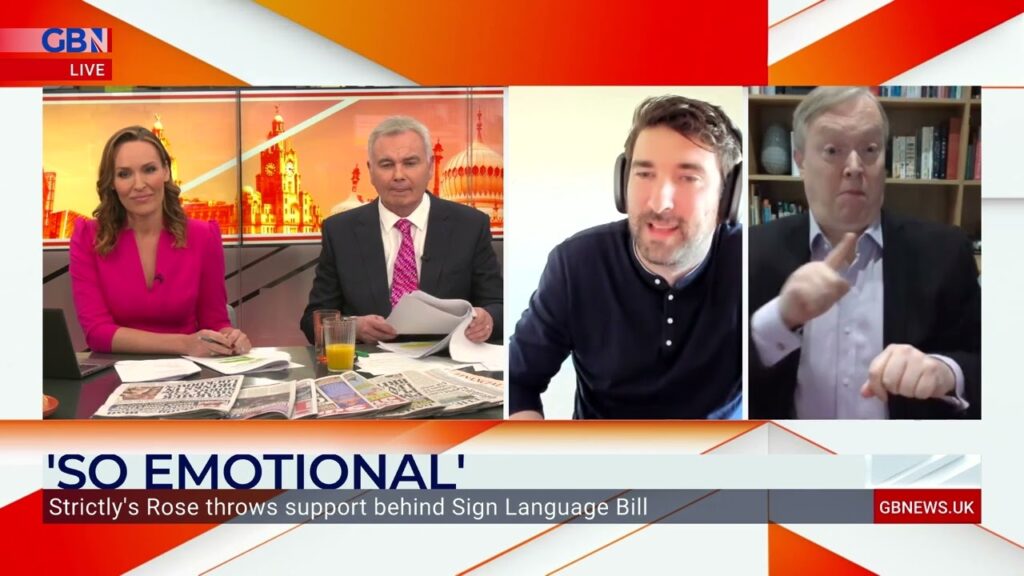
The sign for “bsl interpreter training” is used within the UK Deaf community to refer to the process of training individuals to become interpreters for British Sign Language. This sign is particularly relevant in discussions about education, professional development, and access to communication in various settings, such as schools and workplaces.
How to Sign “Bsl Interpreter Training” in BSL
- Start with your dominant hand in a “B” handshape (fingers extended, thumb across the palm).
- Position your hand near the side of your forehead, palm facing outwards.
- Move your hand slightly away from your forehead while keeping the “B” shape, indicating the concept of ‘training’.
- Next, use your non-dominant hand to form a flat “B” handshape, placing it in front of your dominant hand.
- Perform an upward movement with the dominant hand to show the idea of progression in training.
- Throughout the sign, maintain a focused facial expression, showing intent and clarity.
Common Mistakes
- Forgetting to maintain the “B” handshape can lead to confusion with other signs.
- Not coordinating the movement of both hands properly, which may make the sign unclear.
- Neglecting non-manual features, such as facial expressions, which are crucial for conveying the meaning effectively.
BSL vs ASL
In BSL, the sign for “bsl interpreter training” incorporates specific handshapes and movements that reflect the structure and culture of the UK Deaf community. In contrast, ASL uses different handshapes and movements to convey the same concept, illustrating the unique grammar and syntax differences between the two sign languages.
Related Signs
- Interpreter – the sign for someone who facilitates communication between Deaf and hearing individuals.
- Training – the sign for the process of learning or teaching skills.
- Deaf – the sign that represents the Deaf community.
- Sign Language – the general term for communication through signs.
- Education – the sign that denotes the process of teaching and learning.
Frequently Asked Questions
How can I use “bsl interpreter training” in a BSL sentence?
You can say, “I want to do bsl interpreter training” by signing “I want” followed by the sign for “bsl interpreter training.”
Are there regional variations for this sign?
While the core sign remains the same, some regions may have slight variations in movement or facial expressions based on local dialects.
What are some similar signs to “bsl interpreter training”?
Signs like “interpreter,” “training,” and “education” are closely related and often used in similar contexts.
What tips do you have for learning this sign?
Practice consistently and pay attention to non-manual features like facial expressions to convey the meaning correctly.
Can I use this sign in formal settings?
Yes, it is appropriate to use this sign in both formal and informal settings when discussing training for interpreters.
How does this sign fit into the Deaf culture?
This sign is essential for promoting access and communication within the Deaf community, highlighting the importance of trained interpreters.
Practice ASL Signs
Use your camera to practice signs and get real-time AI feedback on your technique.
Free · No signup required