
BSL for Help in British Sign Language (BSL)
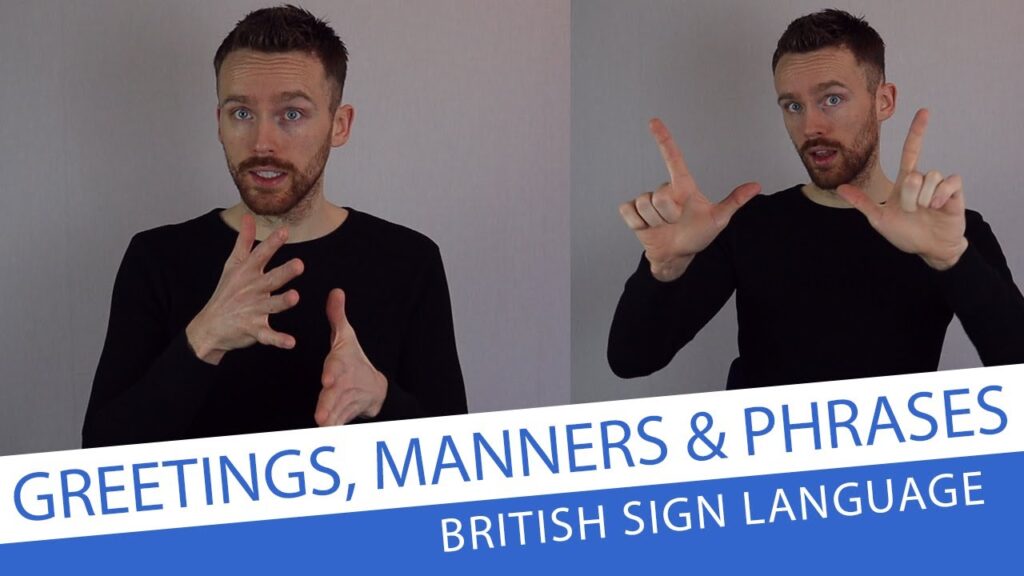
The sign for “help” in British Sign Language (BSL) is an essential term used in various situations where assistance is needed. It is commonly used within the UK Deaf community to express a request for support, whether in everyday tasks or for emotional guidance. Understanding this sign can enhance communication and foster connections in both social and educational settings.
How to Sign “Bsl For Help” in BSL

- Start with your dominant hand in a flat ‘B’ shape (fingers extended and together). Your palm should face upwards.
- Position your non-dominant hand flat, palm facing down, directly below your dominant hand.
- Gently lift your dominant hand upwards while keeping it in the ‘B’ shape, moving it slightly away from your non-dominant hand.
- As you perform the movement, maintain a facial expression that reflects your request for assistance, such as raising your eyebrows slightly.
Common Mistakes
- Forgetting to use the correct handshape; some learners may use a fist instead of the flat ‘B’ shape.
- Not incorporating the appropriate facial expression, which is crucial in conveying the meaning of the sign.
- Failing to keep the movement fluid and clear, which can lead to misunderstandings.
BSL vs ASL
In American Sign Language (ASL), the sign for “help” is different, typically using a flat hand with a fist underneath it. The hand shapes and movements vary significantly between BSL and ASL, highlighting the unique nature of each sign language.
Related Signs
- Assistance – A sign used for more formal or structured help.
- Support – Often used in emotional contexts or for encouragement.
- Guide – Indicates a request for directional or instructional help.
- Aid – Signifying help in terms of resources or items.
Frequently Asked Questions
How can I use “help” in a BSL sentence?
You can say, “I need help” by signing “I” (pointing to yourself), followed by the sign for “help”.
Are there regional variations for the sign “help”?
While the sign is generally consistent, some regions may have slight variations in movement or facial expressions.
What are similar signs to “help”?
Signs like “assistance” and “support” are related and often used interchangeably in specific contexts.
What tips do you have for learning this sign?
Practice in front of a mirror to ensure your handshape and facial expressions are correct. Also, try to use it in conversation.
Can I use “help” in a group setting?
Yes, it’s a versatile sign that can be used in both individual and group contexts when seeking assistance.
Is “help” a formal or informal sign?
The sign for “help” is informal and can be used in everyday situations as well as more serious contexts.
Practice ASL Signs
Use your camera to practice signs and get real-time AI feedback on your technique.
Free · No signup required