
BSL Fingerspelling in British Sign Language (BSL)
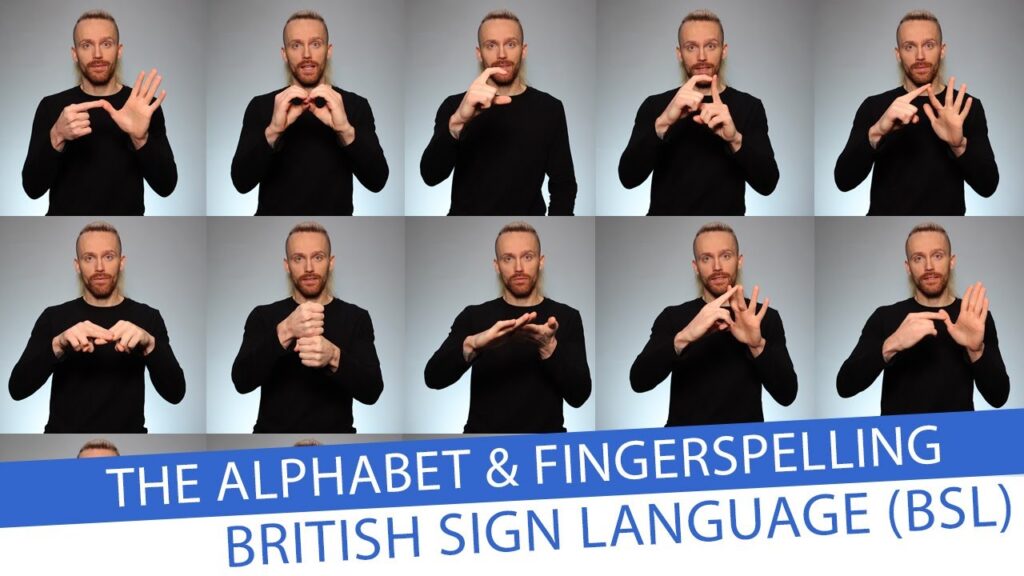
The sign for “BSL Fingerspelling” refers to the method of spelling out words using hand shapes that represent each letter of the alphabet. This technique is widely used in the UK Deaf community, especially for proper nouns, technical terms, or when a sign does not exist. Fingerspelling is fundamental for effective communication and helps bridge gaps in vocabulary.
How to Sign “Bsl Fingerspelling” in BSL
- Start with your dominant hand in a fist, palm facing outwards.
- Open your hand to show the fingers, maintaining a relaxed posture.
- Use your fingers to spell out each letter of the word you want to communicate, ensuring each letter is clear and distinct.
- As you spell, maintain eye contact and use facial expressions to enhance understanding—this is a key non-manual feature in BSL.
- Utilize space effectively by positioning your hands in front of you, adjusting as needed for clarity and visibility.
Common Mistakes
- Rushing through the letters, which can make them difficult to distinguish.
- Neglecting to use facial expressions, which can lead to misunderstandings.
- Not using appropriate spacing when fingerspelling, causing letters to blend together.
BSL vs ASL
In BSL, fingerspelling is similar to ASL (American Sign Language) in that both use distinct hand shapes for each letter. However, the handshapes and some letters may differ slightly between the two sign languages. BSL fingerspelling is also used alongside signs, while ASL may rely more heavily on fingerspelling alone.
Related Signs
- (Bsl) – The sign for British Sign Language.
- 1 – The sign for the number one.
- 10 – The sign for the number ten.
- 100 – The sign for the number one hundred.
- 11 – The sign for the number eleven.
Frequently Asked Questions
How do I use fingerspelling in BSL sentences?
Fingerspelling can be used to clarify names or terms that don’t have a specific sign. It fits within the topic-comment structure of BSL, where the topic is introduced before the comment.
Are there regional variations in fingerspelling across the UK?
While the basic fingerspelling is consistent, some regional accents may influence how quickly or fluidly fingerspelling is done. It’s always good to be aware of local signing styles.
What are some similar signs to fingerspelling?
Signs that accompany fingerspelling include name signs or specific signs for places, which may require fingerspelling to clarify.
What are the best tips for learning fingerspelling?
Practice regularly, start with simple words, and use resources like flashcards to reinforce your learning. Pay attention to the spacing and clarity of each letter.
Can fingerspelling be used in everyday conversations?
Yes, fingerspelling is commonly used in everyday conversations, especially for names and specific terms where no sign exists.
How can I improve my fingerspelling speed?
Practicing with a partner or using online resources can help you improve. Start slow, then gradually increase speed while maintaining clarity.
Practice ASL Signs
Use your camera to practice signs and get real-time AI feedback on your technique.
Free · No signup required