
Bald Headed in British Sign Language (BSL)

The sign for “bald headed” is used to describe someone who has little or no hair on their head. It can be used in various contexts, whether in a light-hearted conversation or to describe a character in a story. This sign is common in the UK Deaf community and can convey a sense of familiarity or affection when used among friends.
How to Sign “Bald Headed”
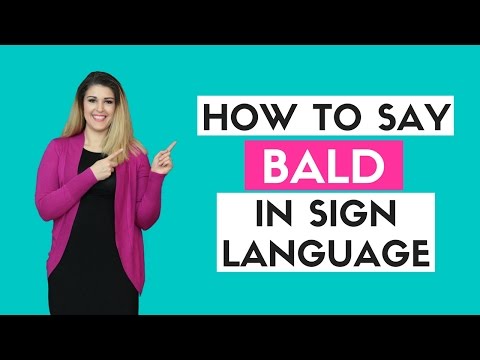
- Start with your dominant hand in a flat “B” handshape (palm facing down).
- Position your hand on the top of your head, gently touching the scalp.
- Move your hand forward a short distance while maintaining contact with your head, mimicking the action of ‘balding’.
- Use a facial expression that reflects the context of your conversation—this could be playful or neutral depending on the situation.
- Optionally, you can use your non-dominant hand to gesture towards the person you are describing, using a pointing motion to indicate who is bald.
Common Mistakes
- Forgetting to use appropriate facial expressions, which can change the meaning of the sign.
- Not maintaining the “B” handshape throughout the sign, leading to confusion.
- Using too much force when touching the head, which can make the sign look aggressive rather than descriptive.
BSL vs ASL
In BSL, the sign for “bald headed” involves a specific handshape and movement focused on the top of the head. In contrast, ASL uses a different sign that may involve different handshapes and movements, highlighting the differences between the two languages. This illustrates the unique characteristics of BSL, including its use of space and physicality.
Related Signs
- Hair – A general sign referencing hair on the head.
- Bald – A shorter sign that conveys similar meaning.
- Head – A fundamental sign that is useful in various contexts.
- Older – Often related to discussions about baldness in age.
- Character – Useful when describing characters in stories or films.
Frequently Asked Questions
How can I use “bald headed” in a BSL sentence?
You can sign “Bald headed” as part of a sentence like “He is bald headed” by first signing the person’s name or pointing to them, followed by the sign for “bald headed”.
Are there regional variations for this sign?
While the basic sign for “bald headed” is widely understood, some regions may have slight variations in handshape or movement. It’s beneficial to observe local users.
Are there similar signs in BSL?
Yes, signs like “bald” and “hair” are related, and knowing them can help in conversations about hair and appearance.
What are some tips for learning this sign?
Practice in front of a mirror to ensure your facial expressions match the meaning of the sign, and try to use it in conversations to build confidence.
Can I use this sign in a light-hearted way?
Absolutely! The sign can be used playfully among friends, but always consider the context and the feelings of the person you are describing.
What should I do if I am unsure about using this sign?
If in doubt, observe how others use it in conversation or ask a member of the Deaf community for guidance.
Practice ASL Signs
Use your camera to practice signs and get real-time AI feedback on your technique.
Free · No signup required