
Hand in British Sign Language (BSL)
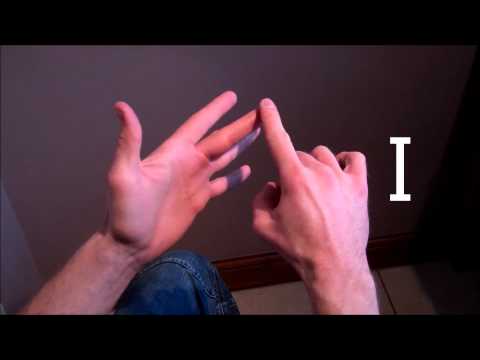
The sign “hand” in BSL refers to the physical hand itself and is commonly used in various contexts, including discussions about body language and communication. It’s an essential sign for expressing ideas related to actions, gestures, or even when referring to someone’s assistance or help. This sign is widely used in the UK Deaf community in everyday conversation.
How to Sign “Hand”
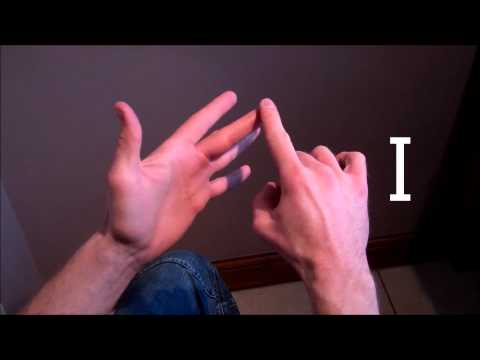
- Start with your dominant hand in a flat shape (like a ‘B’ handshape) with the palm facing down.
- Position your dominant hand in front of your chest, around shoulder height.
- Move your hand slightly forward and then back towards your body while keeping the flat shape.
- Incorporate a facial expression that conveys the meaning you wish to express, such as curiosity or emphasis.
- Use your non-dominant hand to create a supportive, open palm beneath your dominant hand for added emphasis if necessary.
Common Mistakes
- Failing to maintain the correct handshape can lead to confusion; ensure your dominant hand remains flat.
- Not using appropriate facial expressions may make the sign less effective or clear.
- Overly exaggerated movements can distract from the sign’s meaning; maintain a smooth, controlled motion.
BSL vs ASL
In BSL, the sign for “hand” is distinct and typically involves a flat handshape, whereas in ASL, the sign may involve a different handshape and movement. Each sign reflects the unique structure and grammar of the respective sign language.
Related Signs
- 1 – The sign for the number one.
- 1 Dollar – The sign for one dollar.
- 10 – The sign for the number ten.
- 100 – The sign for one hundred.
- 11 – The sign for the number eleven.
Frequently Asked Questions
How can I use “hand” in a BSL sentence?
You can use “hand” in sentences like “My hand hurts” by signing “MY HAND HURT”. Remember to use the topic-comment structure.
Are there regional variations for the sign “hand”?
While “hand” is fairly consistent across the UK, some regions may have slight variations in movement or facial expressions.
What are similar signs to “hand”?
Signs like “help” or “assist” often incorporate the sign “hand”, as they involve hand gestures.
Any tips for learning this sign?
Practice in front of a mirror to ensure your handshape and facial expressions are correct. Watching videos can also help.
What if I struggle with the handshape?
Focus on building muscle memory by practicing the shape repeatedly. You can also ask a Deaf friend for feedback.
Is there a specific context for using “hand”?
Yes, “hand” can be used in various contexts, from talking about physical actions to discussing support and communication.
Practice ASL Signs
Use your camera to practice signs and get real-time AI feedback on your technique.
Free · No signup required