
When Auslan Sign in Australian Sign Language (Auslan)

The sign for “when” in ASL is used to indicate a time-related question or statement. It’s often used in conversations about schedules, events, or specific moments. This sign helps clarify timing in discussions, making it essential for effective communication.
Table of Contents
How to Sign “When Auslan Sign“
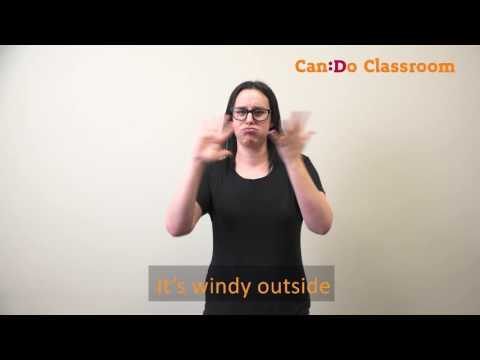
- Start with your dominant hand in a flat “W” handshape. Your fingers should be extended and together, with the palm facing towards you.
- Position your “W” hand near your chin, with your elbow bent to create a comfortable angle.
- Move your hand slightly forward and away from your face in a small arc, maintaining the “W” shape throughout the movement.
- Ensure your facial expression conveys curiosity or inquiry, as this enhances the meaning of the sign.
Common Mistakes
- Forgetting to use the appropriate facial expression, which can lead to confusion about the question being asked.
- Using a different handshape instead of the “W,” which may result in miscommunication.
- Not moving the hand forward from the chin, which can make the sign unclear or incomplete.
Related Signs
- #Auslan Latest – A sign used to refer to the latest updates in Auslan.
- – Hello How Are You – A friendly greeting in ASL.
- 0 In Auslan – The sign for the number zero in Auslan.
- 1 – The sign for the number one.
- 10 – The sign for the number ten.
Using “When” in Everyday Conversations
The sign “When” is frequently used in everyday conversations among the Deaf community, especially when discussing events, schedules, or plans. Here are a few examples to illustrate its use:
- Example 1: “When are we meeting for coffee?” (Sign: “When” + “meet” + “coffee”) — This might come up when making plans with friends.
- Example 2: “When is your birthday?” (Sign: “When” + “birthday”) — This is a common inquiry during social gatherings or introductions.
- Example 3: “When did you move here?” (Sign: “When” + “move” + “here”) — Such a question often arises in conversations about life changes or sharing personal stories.
In these contexts, “When” helps to clarify timing and establish a timeline for events, making conversations more engaging and informative.
Cultural Notes
The sign “When” holds significance in the cultural context of the Australian Deaf community. It reflects the importance of timing and planning, which are vital in a community that values connection and social gatherings. Additionally, the way “When” is signed may vary slightly between Northern and Southern dialects of Auslan. While the basic sign remains consistent, some users might incorporate regional variations in their facial expressions and the subtleties of their signing style. Understanding these regional differences can enhance communication and foster inclusivity among Deaf individuals from different backgrounds.
Tips for Learning This Sign
To effectively learn and remember the sign “When,” consider the following tips:
- Mirror Practice: Stand in front of a mirror while practicing the sign. This allows you to observe your hand shapes and facial expressions, ensuring they match the correct form.
- Watch for Non-Manual Features: Pay attention to the facial expressions that accompany the sign. Non-manual features are crucial in conveying meaning and emotion in Auslan.
- Use in Short Sentences: Create simple sentences incorporating “When” in your practice. For example, “When go shopping?” or “When visit?” This will help you feel comfortable using it in real conversations.
By integrating these practices into your learning routine, you will solidify your understanding of the sign and enhance your overall Auslan skills.
Frequently Asked Questions
How would I use “when” in a sentence?
You can use “when” to ask about timing, like “When is the meeting?” In ASL, you would sign “WHEN MEETING?” to convey this question.
Are there regional variations for this sign?
Is this sign similar to any other signs?
The sign for “when” can be confused with other time-related signs, like “now” or “before,” so pay attention to context and facial expressions.
How does this compare to BSL?
In British Sign Language (BSL), the sign for “when” is different, so it’s important to learn the specific signs for each language.
What tips do you have for teaching this sign?
Encourage students to focus on both the hand movement and facial expressions. Practicing with peers can also help reinforce correct usage.
Practice ASL Signs
Use your camera to practice signs and get real-time AI feedback on your technique.
Free · No signup required