
Waiting in Australian Sign Language (Auslan)
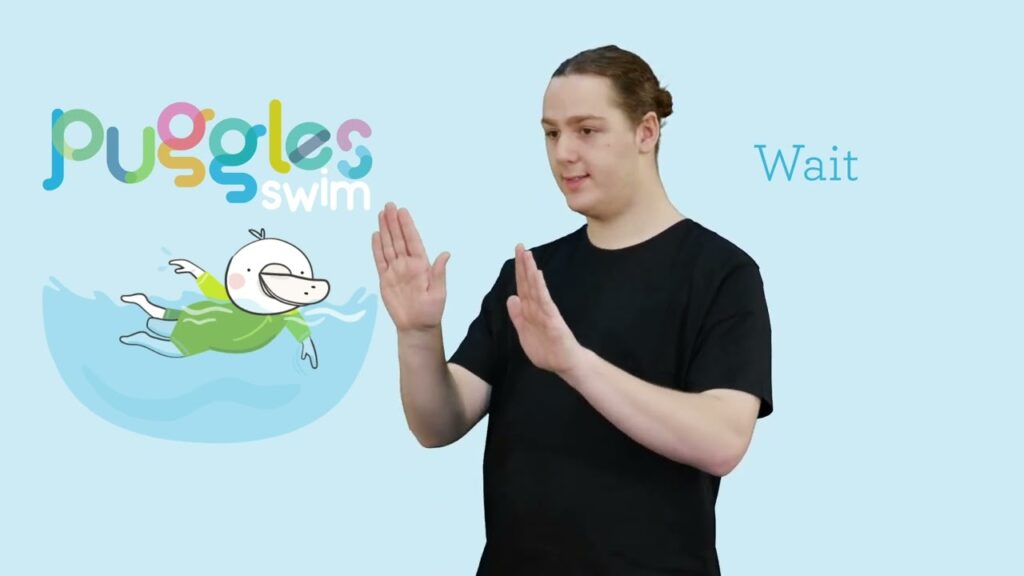
The sign for “waiting” in Auslan conveys the idea of pausing or being in a state of anticipation. It’s commonly used in everyday conversations when you want to express that you are waiting for something or someone. This sign can also reflect patience or expectation in various contexts.
Table of Contents
How to Sign “Waiting”
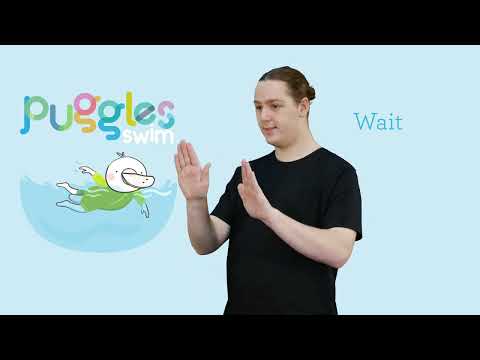
- Begin with your dominant hand in a flat handshape (like a “B” handshape).
- Position your dominant hand in front of your body, about chest height.
- Place your non-dominant hand palm-up below your dominant hand, with fingers extended and slightly bent.
- Move your dominant hand slightly forward and backward in a gentle, rhythmic motion while maintaining the position of your non-dominant hand.
- Throughout the sign, keep a neutral or slightly expectant facial expression to convey the feeling of waiting.
Common Mistakes
- Forgetting to maintain the correct handshape, which can lead to confusion with other signs.
- Not using facial expressions, which are essential in Auslan to convey the appropriate emotion.
- Moving the hands too quickly, which can make the sign unclear.
Related Signs
- 1 – The sign for the number one.
- 1 Dollar – The sign for one dollar.
- 10 – The sign for the number ten.
- 100 – The sign for one hundred.
- 11 – The sign for the number eleven.
Using “Waiting” in Everyday Conversations
The sign “Waiting” is commonly used in various everyday situations, allowing for effective communication in the Australian Deaf community. Here are a few examples of how to incorporate this sign into conversation:
- Example 1: “I am waiting for the bus.” (ME BUS WAITING)
- Example 2: “They are waiting for the show to start.” (THEY SHOW WAITING)
- Example 3: “Are you waiting for a friend?” (YOU FRIEND WAITING?)
These examples can come up naturally in conversations about daily activities, transportation, or social gatherings, making the sign quite versatile in its use.
Cultural Notes
In the Australian Deaf community, the concept of waiting often carries cultural significance, especially in social contexts. Waiting is not merely about the passage of time but is also tied to the value placed on patience and communal experiences. The Deaf community often uses waiting as a way to signify anticipation for events such as gatherings, performances, or meetings.
Dialect variation can be observed in some regions; for example, in northern Australia, the sign might feature slightly different facial expressions or body language compared to southern regions. This variation highlights the rich diversity within Auslan and the importance of observing local signing styles.
Tips for Learning This Sign
To effectively learn and remember the sign “Waiting,” here are some practical tips:
- Mirror Practice: Stand in front of a mirror while practicing the sign. This helps you see your hand shape and facial expressions, which are crucial for conveying meaning.
- Observe Non-Manual Features: Pay attention to your facial expressions and body posture while signing. Non-manual features can enhance the message and convey emotions related to waiting.
- Use in Short Sentences: Incorporate “Waiting” into simple sentences during practice. For example, sign “I am waiting for coffee” while mimicking the context of being in a café.
Regular practice in various contexts will help solidify your understanding and use of the sign “Waiting” in Auslan.
Frequently Asked Questions
How do I use “waiting” in a sentence?
You can say, “I am waiting for the bus” by signing “I” + “waiting” + “bus.”
Are there regional variations of this sign?
While the sign is generally consistent, some regions may have slight variations in the hand movement or facial expressions.
Are there similar signs to “waiting” in Auslan?
Yes, signs like “pause” or “stop” can have similar meanings but convey different nuances.
How does “waiting” compare to BSL?
BSL has a different sign for “waiting,” which may resemble the Auslan sign but uses different hand movements and facial expressions.
What are some teaching tips for this sign?
Practice the sign in context and encourage students to use their facial expressions to enhance meaning.
Practice This Sign
Try signing Waiting In Auslan with your camera and get AI coaching on your handshape, movement, and location.
Free · No signup required