
Take Dog for a Walk in Australian Sign Language (Auslan)
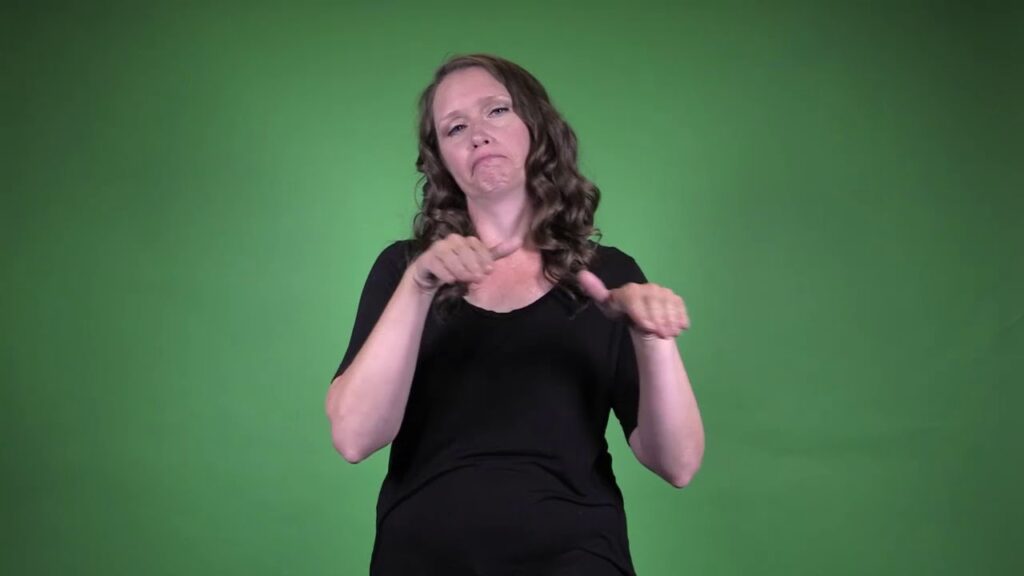
The sign for “take dog for a walk” in Auslan captures the enjoyable experience of walking a dog outdoors. This sign is often used in everyday conversations when discussing pet care, outdoor activities, or planning walks with friends. It’s a great way to express a common and relatable activity within the Deaf community.
How to Sign “Take Dog For A Walk In Auslan”
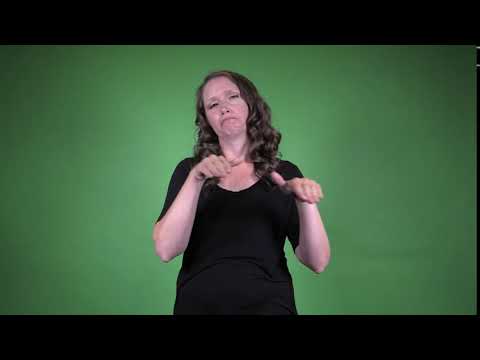
- Start with your dominant hand in a flat handshape (like a “B” handshape) to represent the dog. Position this hand in front of you, at waist height.
- With your non-dominant hand, form a “C” handshape to symbolize a leash. Place this hand next to the dominant hand, as if holding the leash attached to the dog.
- Begin to move both hands forward in a walking motion. Your dominant hand should move in a gentle forward motion while keeping the flat handshape steady.
- As you move your hands, incorporate a facial expression that conveys enjoyment or relaxation, as this enhances the meaning of the sign.
Common Mistakes
- Some learners may forget to use a facial expression, which is essential in Auslan to convey the emotional context of the sign.
- Another common mistake is using an incorrect handshape for the dog; ensure your dominant hand is flat and not in a fist.
- Moving the hands too fast can make the sign unclear. It’s important to maintain a steady, moderate pace to enhance understanding.
Related Signs
- Dog – The general sign for a dog.
- Walk – The sign used for walking in general.
- Leash – The sign for a leash, often used in conjunction with the dog sign.
- Outside – A sign that can be used when talking about outdoor activities.
- Pet – The sign to refer to pets more broadly.
Frequently Asked Questions
Can I use this sign in a sentence?
Yes! You can say, “I take my dog for a walk every morning,” by signing the phrase and incorporating the sign for “every” for clarity.
Are there regional variations of this sign?
There might be slight variations depending on the region, but the core signs typically remain the same within Auslan.
Are there similar signs in other sign languages?
Yes, while Auslan has its unique signs, BSL (British Sign Language) has different signs for similar concepts, though they may convey the same idea.
What are some tips for teaching this sign?
Use visual aids and demonstrate the sign in context. Practice with students, encouraging them to express the joy of walking a dog through facial expressions.
How can this sign be adapted for storytelling?
You can elaborate on the sign by adding more details, like the dog’s behavior or the environment, to make the story more engaging.
Is this sign used in casual or formal settings?
This sign is primarily used in casual settings, like conversations with friends or family about pets and activities.
What if I want to refer to multiple dogs?
You can modify the sign by using both hands to represent multiple dogs, moving them in a similar walking motion.
Practice This Sign
Try signing Take Dog For A Walk In Auslan with your camera and get AI coaching on your handshape, movement, and location.
Free · No signup required