
Tabular Array in Australian Sign Language (Auslan)
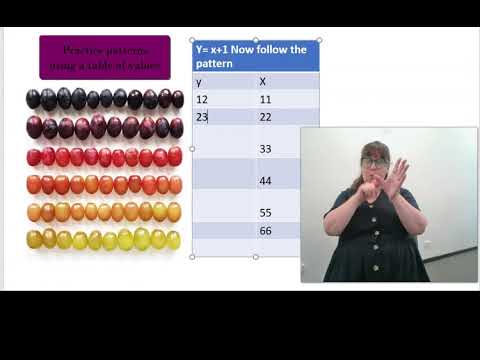
The sign “tabular array in Auslan” refers to a structured format for organizing data in rows and columns, similar to a table. This sign is commonly used in educational and technical contexts, especially when discussing data organization in mathematics, computer science, or information technology.
Table of Contents
How to Sign “Tabular Array”
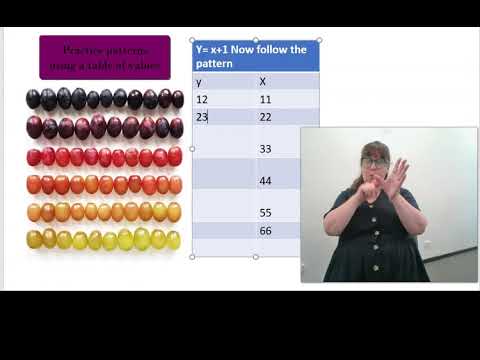
- Start with both hands open in a “5” handshape, fingers extended and spread apart.
- Position your hands in front of your body, about shoulder-width apart.
- Slowly bring your hands together while moving them downwards, as if you are compressing the data into a table format.
- Once your hands are together at the bottom, form a flat “B” handshape with both hands to indicate the table structure.
- Maintain a neutral facial expression, or add a slight nod to emphasize the concept of organization.
Common Mistakes
- Forgetting to keep hands open initially; learners often start with closed fists.
- Moving hands too quickly, which can make the sign unclear.
- Neglecting facial expressions, which can result in a lack of emphasis on the concept being presented.
Related Signs
- 1 – The sign for the number one.
- 10 – The sign for the number ten.
- 100 – The sign for the number one hundred.
- 12 – The sign for the number twelve.
- 16 – The sign for the number sixteen.
Using “Tabular Array” in Everyday Conversations
The sign “Tabular Array” can be seamlessly integrated into discussions, especially in educational or technical contexts. Here are a few example sentences showcasing its use:
- “I learned how to create a tabular array for my math class.”
- “Can you explain that tabular array again? I didn’t understand it the first time.”
- “The data was organized in a tabular array, making it easier to compare results.”
These examples might come up naturally in conversations among students, teachers, or colleagues discussing data organization, mathematical concepts, or programming. It’s a useful term in educational settings, especially during group projects or presentations.
Cultural Notes
The term “Tabular Array” holds particular significance in the context of the Australian Deaf community, especially in educational settings where data representation is essential. Deaf students often use visual aids to enhance their understanding of complex concepts. The use of sign language to convey such terms fosters a deeper comprehension and engagement with the material.
In terms of dialect, while Auslan is generally consistent across Australia, some variations may occur between northern and southern regions, particularly in the use of facial expressions and body language. These non-manual features can add nuance to the sign and its interpretation, reflecting local cultural influences.
Tips for Learning This Sign
To effectively learn and remember the sign “Tabular Array,” consider the following strategies:
- Mirror Practice: Stand in front of a mirror to observe your own signing. This technique helps you refine your movements and ensure you are forming the sign correctly.
- Focus on Non-Manual Features: Pay attention to your facial expressions and body posture while signing. These non-manual features can significantly enhance the meaning and clarity of your sign.
- Use it in Context: Incorporate “Tabular Array” into short signed sentences during practice sessions. This could involve discussing relevant topics, such as data organization or classroom scenarios, to reinforce your understanding and usage.
By practicing in these ways, you’ll build confidence in using the sign and deepen your connection to its meaning within the Deaf community.
Frequently Asked Questions
How can I use “tabular array in Auslan” in a sentence?
You might say, “I created a tabular array in Auslan to organize the data for my project.”
Are there regional variations for this sign?
This sign is generally consistent across different regions, but some local variations may exist. It’s best to observe and ask native signers.
What are some signs similar to “tabular array”?
Signs like “list” or “chart” might convey similar concepts but have distinct meanings and hand shapes.
How does this compare to BSL?
While BSL may have a similar sign for a table or array, the hand shapes and movements can differ significantly. It’s beneficial to learn the local signs.
What tips do you have for teaching this sign?
Encourage students to visualize the concept of a table and practice in pairs to reinforce understanding through demonstration.
Can I use this sign in informal settings?
Yes, it’s perfectly fine to use this sign in both formal and informal contexts, especially when discussing data or organization.
Practice This Sign
Try signing Tabular Array In Auslan with your camera and get AI coaching on your handshape, movement, and location.
Free · No signup required