
Take a Seat in Australian Sign Language (Auslan)
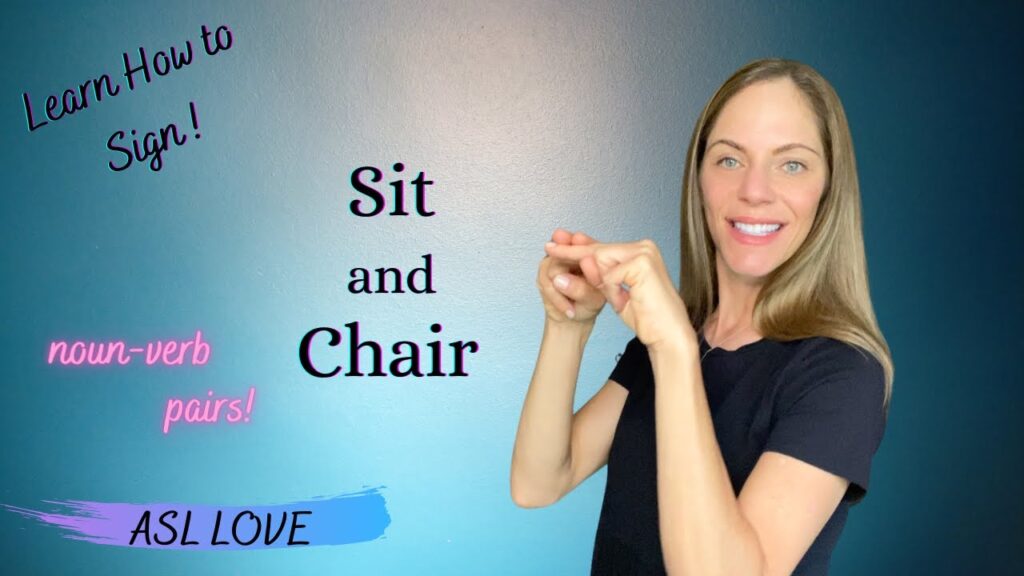
The sign for “take a seat” is commonly used in various social situations to invite someone to sit down. It’s a friendly gesture that can be used in classrooms, meetings, or casual gatherings. This sign helps create an inviting atmosphere and is an essential part of effective communication.
Table of Contents
How to Sign “Take A Seat In Auslan“

- Start with your dominant hand in a flat handshape (similar to a “B” handshape) facing downward.
- Position your hand at about waist level, palm down, and in front of your body.
- Move your hand slightly forward and downward, as if you are placing an imaginary object (the seat) in front of you.
- Facial expression should be inviting and friendly, perhaps with a slight smile to convey warmth.
Common Mistakes
- Some learners may forget to use an inviting facial expression, which is key to conveying the friendly nature of the sign.
- Using too much arm movement can cause confusion; the motion should be subtle and smooth.
- Inverting the handshape (palm up instead of down) can lead to misunderstanding, as this changes the meaning of the sign.
Related Signs
- 1 – Represents the number one, useful in counting.
- 1 Dollar – Indicates a single dollar amount, commonly used in financial discussions.
- 10 – Represents the number ten, helpful in various counting contexts.
- 100 – Indicates the number one hundred, often used in discussions about quantities.
- 15 – Represents the number fifteen, useful in age or quantity contexts.
Using “Take a Seat” in Everyday Conversations
The sign “Take a Seat” can be seamlessly integrated into various social contexts. Here are a few example sentences that illustrate its use:
- “Friends arrive for dinner, and you sign: ‘You-all take a seat, dinner ready.’”
- “In a meeting, you might sign: ‘Please take a seat, we will start soon.’”
- “At a café, you could sign: ‘Table free, take a seat here.’”
This sign typically comes up in situations where you are inviting someone to sit down, whether at home, in a professional environment, or in casual settings. It fosters a welcoming atmosphere and encourages the comfort of others.
Cultural Notes
In the Australian Deaf community, the sign “Take a Seat” reflects the importance of hospitality and inclusivity. Inviting someone to sit is not just a practical gesture; it signifies respect and a willingness to engage in conversation. This sign is used frequently in both formal and informal gatherings, showcasing the communal nature of Deaf culture.
While Auslan is relatively uniform, there can be slight variations in signs based on regional dialects. For instance, in some northern areas, the sign may be performed with a slightly different handshape or movement, although the meaning remains clear. Being mindful of these variations can enrich your understanding of Auslan and the unique expressions within the Deaf community.
Tips for Learning This Sign
To effectively practice and remember the sign “Take a Seat,” consider these techniques:
- Mirror Practice: Stand in front of a mirror to observe your hand movements and facial expressions. This helps to ensure you are performing the sign correctly and confidently.
- Watch for Non-Manual Features: Pay attention to your facial expressions while signing. A welcoming smile can enhance the invitation of the sign, making it more engaging.
- Use in Short Signed Sentences: Incorporate the sign into various contexts by creating simple sentences. For example, practice inviting friends over or during group discussions to reinforce your comfort with the sign.
Integrating these practices into your learning routine will help solidify your understanding and usage of “Take a Seat” in Auslan.
Frequently Asked Questions
How do I use this sign in a sentence?
You can say, “Please take a seat,” using the sign while pointing to the chair or space where you’d like them to sit.
Are there regional variations for this sign?
While the sign is generally the same across regions, some areas may have slight variations in movement or speed.
What are similar signs to “take a seat”?
Signs like “sit down” or “join us” can convey a similar invitation, though the hand movements may differ slightly.
How does this sign compare to BSL?
In BSL (British Sign Language), the sign for “take a seat” is different, so it’s important to learn the specific signs for each language.
What tips do you have for teaching this sign?
Encourage learners to practice with a partner to get comfortable with the movement and facial expressions involved in the sign.
Practice This Sign
Try signing Take A Seat In Auslan with your camera and get AI coaching on your handshape, movement, and location.
Free · No signup required