
Rafter in Australian Sign Language (Auslan)
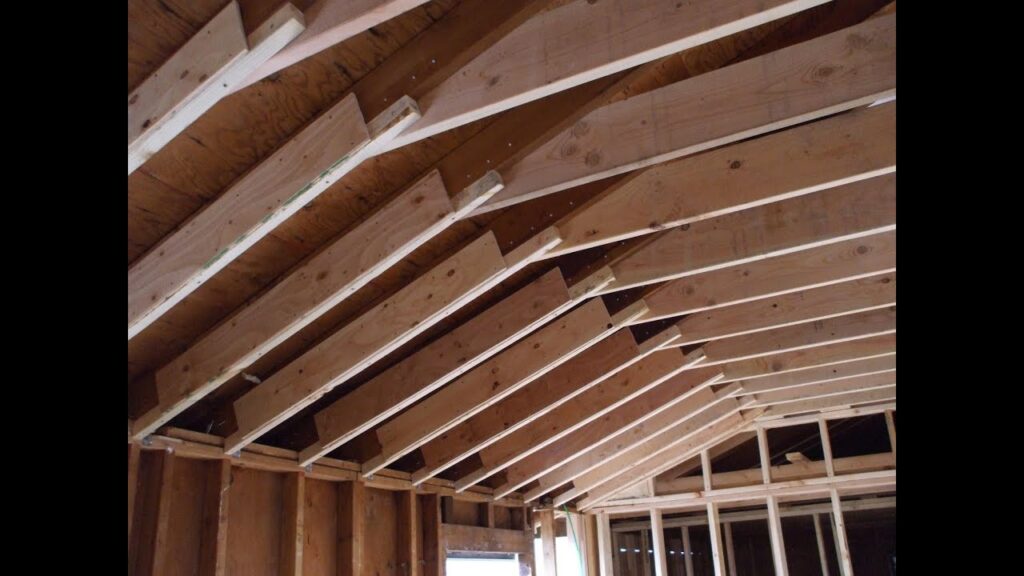
The sign for “rafter” in Auslan refers to the structural element of a roof that supports the weight. It is commonly used in discussions about construction, home design, or architecture. Understanding this sign can help in conversations about building projects or when discussing types of structures.
Table of Contents
How to Sign “Rafter”
- Start with your dominant hand in a flat shape, resembling a “B” handshape, with fingers extended and together.
- Position your hand in front of you, palm facing down, with the back of your hand facing your body.
- Move your hand slightly upward while maintaining the same flat shape, as if illustrating the slope of a rafter.
- While performing the movement, use your facial expression to convey that you are discussing something related to construction or building.
Common Mistakes
- Forgetting to maintain the flat handshape, which can lead to confusion with other signs.
- Not using enough upward movement, which may not accurately represent the structure of a rafter.
- Neglecting facial expressions, which are crucial for conveying context and emotion in ASL.
Related Signs
- 1 – The sign for the number one.
- 100 – The sign for one hundred.
- 10 – The sign for the number ten.
- 12 – The sign for twelve.
- 15 – The sign for fifteen.
Using “Rafter” in Everyday Conversations
The sign “rafter” can naturally fit into various conversations, particularly when discussing home construction or renovations. Here are a few examples of how to use “rafter” in Auslan:
- Example 1: “I want to build a new house. Rafter strong support.” (I want to build a new house. The rafters will provide strong support.)
- Example 2: “Rafter high in the ceiling.” (The rafters are high in the ceiling.)
- Example 3: “We saw a beautiful rafter design at the show.” (We saw a beautiful rafter design at the home show.)
These sentences can come up during discussions about architecture, home improvement shows, or when sharing personal renovation experiences with friends or family members.
Cultural Notes
The sign for “rafter” holds significance in the Australian Deaf community, particularly for those involved in construction or trades. Many Deaf Australians value hands-on skills and trades, and discussing building elements like rafters is a common part of that culture. The context of construction can also serve as an opportunity to foster conversations about accessibility in building designs.
Interestingly, there may be slight variations in the sign across different regions in Australia, particularly between northern and southern dialects. While the core sign remains the same, some Deaf individuals may incorporate unique local gestures or facial expressions that reflect regional influences. Being aware of these nuances can enhance communication and connection within the community.
Tips for Learning This Sign
To effectively learn and remember the sign for “rafter,” here are some practical tips:
- Mirror Practice: Use a mirror to practice the sign. This will help ensure your handshape and movement are accurate and allow you to see your own expressions.
- Focus on Non-Manual Features: Pay attention to your facial expressions while signing. A raised eyebrow can emphasize the importance of the rafters in a sentence, making your communication more expressive and clear.
- Use in Short Sentences: Incorporate “rafter” into simple, everyday sentences related to construction or home projects. Practicing in context will help reinforce your memory of the sign.
- Join Deaf Community Events: Participate in local Deaf events or workshops where construction topics may arise. Engaging with others will provide opportunities to use the sign actively.
By practicing in these ways, you can build confidence in using “rafter” and other signs while deepening your understanding of the language and culture.
Frequently Asked Questions
How do I use “rafter” in a sentence?
You can say, “I saw the rafter in the new house,” by signing the sentence with the sign for “rafter” following your subject and verb.
Are there regional variations for this sign?
While the sign for “rafter” is generally consistent, some regions may have slight variations in movement or handshape. It’s always good to observe local users.
What are some similar signs?
Signs for related construction terms, like “beam” or “roof,” may be similar. Pay attention to the details in handshape and movement.
How does this compare to BSL?
In BSL, the sign for “rafter” may differ significantly. Understanding the differences can help in learning both Auslan and BSL.
Any teaching tips for this sign?
Practice in front of a mirror to ensure your handshape and movement are correct. Using visual aids like diagrams of rafters can also be helpful.
Practice This Sign
Try signing Rafter In Auslan with your camera and get AI coaching on your handshape, movement, and location.
Free · No signup required