
Page Setup in Australian Sign Language (Auslan)

The sign for “page setup in Auslan” refers to the process of arranging or configuring a page layout, often used in contexts involving computers, printing, or document preparation. This sign can be commonly used in educational settings, workplaces, or during discussions about technology.
Table of Contents
How to Sign “Page Setup”
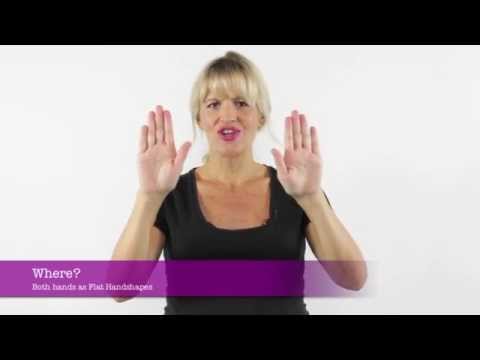
- Start with your dominant hand in a flat handshape (like a “B” handshape) and hold it in front of you at about waist level.
- Move your hand slightly forward and upward, as if you are placing a page on a table.
- Next, use your non-dominant hand to mimic the action of adjusting the corners of the page by pinching with your fingers.
- As you do this, maintain a facial expression that conveys focus and intent, as if you are concentrating on the setup process.
Common Mistakes
- Forgetting to use both hands can lead to misinterpretation; both hands are important in conveying the action of setup.
- Using incorrect facial expressions may confuse the meaning; make sure to show concentration and intent.
- Not maintaining the proper handshape can make the sign unclear; be sure to keep your dominant hand in a flat position throughout the sign.
Related Signs
- 1 – The sign for the number one.
- 10 – The sign for the number ten.
- 100 – The sign for the number one hundred.
- 12 – The sign for the number twelve.
- 15 – The sign for the number fifteen.
Using “Page Setup” in Everyday Conversations
The sign “Page Setup” can be integrated into various conversations, especially in contexts involving technology, education, or graphic design. Here are a few example sentences that illustrate its usage:
- “I need to do page setup for my presentation.” – This might come up when discussing preparations for a class or work presentation.
- “Can you help me with the page setup for this report?” – Often used in collaborative environments, such as during group projects or when seeking assistance in a workplace.
- “Have you finished the page setup for the newsletter?” – This can occur in discussions related to community events or organizational tasks where newsletters are involved.
Using “Page Setup” in these contexts helps to make conversations more efficient and clear, particularly among peers familiar with technology and design processes.
Cultural Notes
In the Australian Deaf community, the sign “Page Setup” is not just a technical term; it reflects the broader engagement with technology and visual communication. Deaf Australians often utilize technology for education, work, and social interaction, making such signs relevant in daily life. The use of this sign can vary between northern and southern dialects, with some regional differences in finger-spelling or accompanying facial expressions. While the core sign remains the same, subtle variations may arise, highlighting the rich diversity within Auslan.
Tips for Learning This Sign
To effectively learn and remember the sign “Page Setup,” consider these practical tips:
- Mirror Practice: Stand in front of a mirror and practice the sign. Watching your own movements can help you refine your technique and ensure you are forming the sign correctly.
- Focus on Non-Manual Features: Pay attention to your facial expressions and body posture while signing. These non-manual features can add context and meaning to the sign, making it more expressive.
- Incorporate it into Short Sentences: Try using “Page Setup” in simple, everyday sentences. This will help you become more comfortable with the sign and reinforce its meaning in different contexts.
Regular practice and engagement with the Deaf community will enhance your skills and confidence in using this sign effectively.
Frequently Asked Questions
Can you use “page setup” in a sentence?
Yes! For example, “I need to do a page setup for my presentation.” This helps clarify the context in which you’re using the sign.
Are there regional variations for this sign?
Yes, some regions may have slight variations in the movement or handshape, so it’s helpful to observe local users.
What are similar signs to “page setup”?
Signs like “document” or “layout” may be similar and can be used in related contexts.
How does this compare to BSL?
While Auslan and BSL share some signs, “page setup” may differ significantly, so it’s best to learn them separately.
Any teaching tips for this sign?
Practice the sign in context, using real pages or digital devices to help learners connect the sign with its meaning.
What if I struggle with the handshape?
Focus on practicing the flat handshape in isolation before integrating it into the complete sign.
Practice This Sign
Try signing Page Setup In Auslan with your camera and get AI coaching on your handshape, movement, and location.
Free · No signup required