
Jaguar in Australian Sign Language (Auslan)
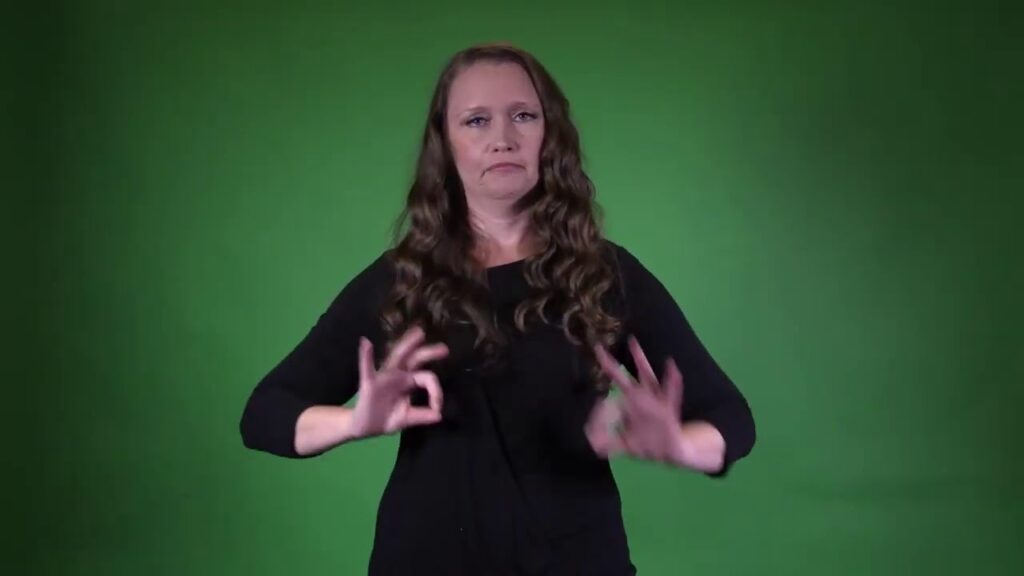
The sign for “jaguar” in Auslan represents the large, powerful feline native to the Americas. This sign is commonly used in discussions about wildlife, nature, and conservation. It’s a great way to express interest in animals, especially in educational or conversational contexts about biodiversity.
How to Sign “Jaguar”

- Start with your dominant hand open, fingers together and slightly bent, resembling a claw.
- Position your hand near your cheek, palm facing inward and fingers pointing towards your face.
- Make a downward motion, as if you are mimicking the movement of a jaguar prowling, while gently curling your fingers to enhance the claw-like appearance.
- As you perform the motion, engage your facial expressions to convey the essence of a jaguar—this can include narrowing your eyes or showing a slight smile, reflecting the animal’s grace and strength.
Common Mistakes
- Some learners may forget to use facial expressions, which are crucial in Auslan for conveying the meaning and emotion behind the sign.
- Confusing the hand shape with other animal signs, like a lion or tiger; ensure the fingers are slightly bent and close together to mimic a jaguar’s claw.
- Performing the sign too quickly, which can make it difficult for others to understand the intended meaning.
Related Signs
- Lion – Sign representing the large wild cat known for its mane and strength.
- Tiger – The sign for this distinctive striped feline.
- Animals – A general sign for various creatures in the animal kingdom.
- Wildlife – Represents all forms of wild animals, often used in conservation discussions.
Frequently Asked Questions
How can I use “jaguar” in a sentence?
You might say, “I saw a jaguar at the zoo” by signing “I see jaguar at zoo.”
Are there regional variations for this sign?
While the sign for “jaguar” is generally consistent, some regions may have slight variations in handshape or movement.
What are similar signs to “jaguar”?
Signs for other big cats, like lion or tiger, are similar but have distinct handshapes and movements. Make sure to practice these to avoid confusion.
How does this sign compare to BSL?
In BSL, the sign for “jaguar” may differ in handshape and movement. It’s beneficial to learn both if you communicate with a diverse audience.
Any tips for teaching this sign effectively?
Use visual aids, like pictures of jaguars, and encourage students to mimic both the sign and the animal’s characteristics to enhance learning.
Practice This Sign
Try signing Jaguar In Auslan with your camera and get AI coaching on your handshape, movement, and location.
Free · No signup required