
Ikon in Australian Sign Language (Auslan)
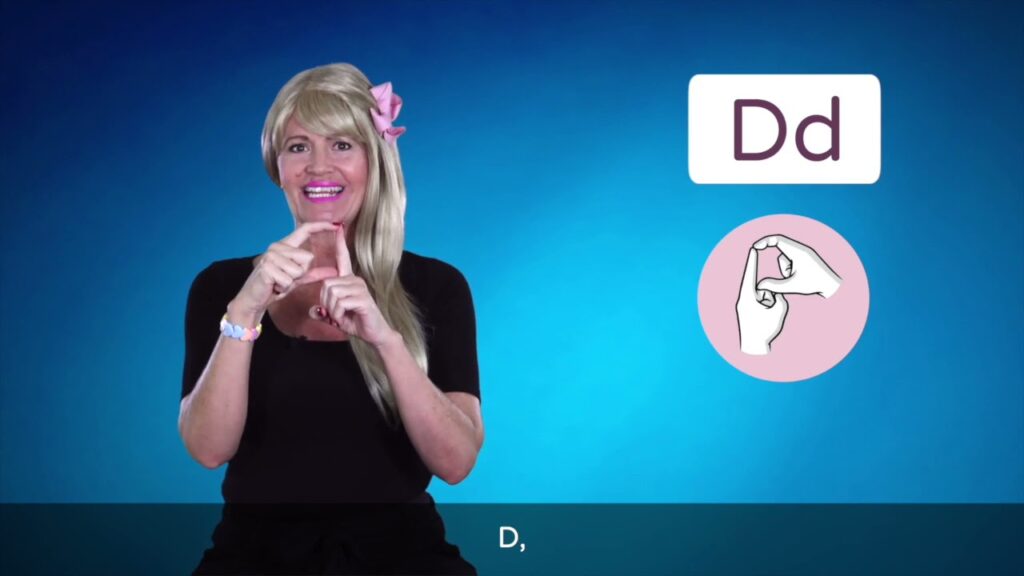
The sign for “ikon” in Auslan represents a symbol or image that conveys a particular idea or concept. It’s commonly used in discussions about media, art, and technology, especially when referring to recognizable symbols or brands. This sign can be particularly useful in conversations about popular culture or digital content.
Table of Contents
How to Sign “Ikon”
- Start with your dominant hand in a flat handshape (like a “B” handshape) with your palm facing inwards.
- Position your hand at about chest height, slightly in front of you.
- From this position, move your hand forward and slightly upward, while keeping the flat shape intact.
- As you move your hand, emphasize the movement with your facial expressions, showing enthusiasm or recognition, as this adds context to your sign.
Common Mistakes
- Forgetting to maintain the flat handshape, which can change the meaning of the sign.
- Not using enough movement; the sign should have a clear forward and upward motion to convey the right meaning.
- Neglecting facial expressions, which are vital in ASL to convey emotions and context.
Related Signs
- 1 – A sign representing the number one.
- 1 Dollar – A sign used to indicate one dollar in financial contexts.
- 10 – Signifying the number ten.
- 100 – Used to represent the number one hundred.
- 15 – A sign for the number fifteen.
Using “Ikon” in Everyday Conversations
The sign “Ikon” is commonly used in various everyday conversations, especially when discussing popular culture, media, or influential figures. Here are a few example sentences that illustrate how to incorporate “Ikon” into your conversations:
- Situation: Talking about a famous musician.
Example: “Ikon music love.”
(Translation: “I love the music of this icon.”) - Situation: Discussing a significant cultural figure.
Example: “Ikon Australia important.”
(Translation: “This icon is important for Australia.”) - Situation: Referring to a well-known brand.
Example: “Ikon clothing popular.”
(Translation: “This iconic clothing brand is popular.”)
Cultural Notes
In the Australian Deaf community, the sign “Ikon” is not just about representation; it also reflects the importance of cultural icons in shaping Deaf identity and visibility. The use of “Ikon” often extends beyond mere celebrity status, signifying individuals or symbols that resonate with the community’s values, achievements, and history.
There can be slight dialect variations in how “Ikon” is signed across different regions, particularly between northern and southern Australia. While the basic sign remains the same, subtle differences in handshape or movement may occur based on local signing habits. Being mindful of these variations can enhance communication and foster a deeper connection with local Deaf culture.
Tips for Learning This Sign
Practicing the sign “Ikon” can be both fun and effective. Here are some concrete tips to help you learn and remember the sign:
- Mirror Practice: Use a mirror to observe your handshape and movement. Watching your own signing helps reinforce muscle memory.
- Focus on Non-Manual Features: Pay attention to facial expressions and body language that accompany the sign. These non-manual features add depth and meaning to your signing.
- Use in Short Sentences: Incorporate “Ikon” into short, simple sentences during your practice. This contextual use helps solidify your understanding and recall of the sign in everyday conversation.
By employing these strategies, you can enhance your Auslan skills and build confidence in using the sign “Ikon” effectively.
Frequently Asked Questions
How can I use “ikon” in a sentence?
You can say, “This logo is an ikon of our brand” by signing the subject followed by the sign for “ikon.”
Are there regional variations for this sign?
While “ikon” is widely understood, some regions may have slight variations in movement or handshape. It’s best to observe local users.
Is there a similar sign in BSL?
Yes, BSL has a sign for “icon,” but the handshape and movement may differ. It’s beneficial to learn both for better understanding.
What are some teaching tips for this sign?
Encourage learners to practice in front of a mirror to check their handshape and movement, and remind them to incorporate facial expressions.
Can “ikon” be used in different contexts?
Absolutely! It can refer to logos, symbols in art, or even people who symbolize certain qualities or ideas.
How does “ikon” relate to digital media?
In digital contexts, “ikon” often refers to app icons or symbols used in technology, making this sign very relevant in today’s discussions.
Practice This Sign
Try signing Ikon In Auslan with your camera and get AI coaching on your handshape, movement, and location.
Free · No signup required