
Hamster in Australian Sign Language (Auslan)
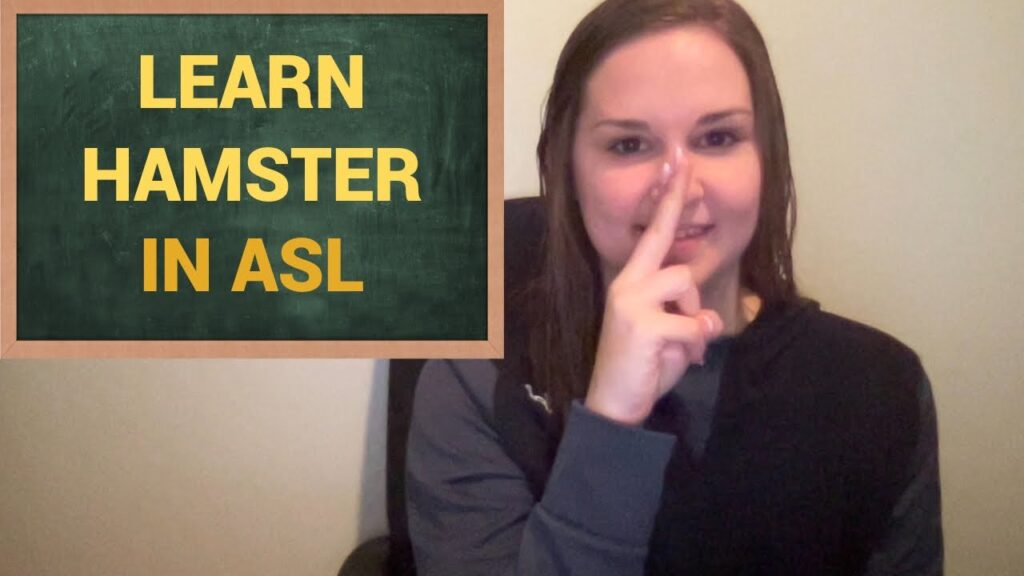
Referring to the popular small pet, “hamster” in Auslan is conveyed through a delightful sign. Commonly featured in discussions about pets, animal care, or among children sharing their favorite animals, this gesture encapsulates the essence of a hamster, making it both recognizable and enjoyable to use.
Table of Contents
How to Sign “Hamster”
- Start with both hands in front of you, palms facing down.
- Form your hands into a flat shape, resembling a small oval or circle, to represent the body of the hamster.
- Position your hands close together, mimicking the size of a hamster.
- With a gentle movement, draw your hands slightly apart and then back together, as if the hamster is moving or nibbling.
- Maintain a friendly facial expression to convey the playful nature of the animal.
Common Mistakes
- Some learners might use too wide a hand shape, making the sign less recognizable as a hamster.
- Forgetting to include facial expressions can make the sign less engaging and clear.
- Moving the hands too quickly or erratically may confuse the sign with other animals.
Related Signs
- 1 – A basic sign for the number one, often used in counting.
- 1 Dollar – Signifying one dollar, useful in financial conversations.
- 10 – The sign for the number ten, frequently used in various contexts.
- 100 – Representing one hundred, applicable in discussions about amounts.
- 11 – The sign for eleven, often used in counting sequences.
Using “Hamster” in Everyday Conversations
Integrating the sign for “hamster” into everyday conversations can help make your interactions more engaging and meaningful. Here are a few example sentences that illustrate how to use this sign naturally:
- (I) have a hamster.
(I) SIGN: “I HAVE HAMSTER.”
This sentence comes up when you are sharing about your pets with friends or at a gathering where pet ownership is discussed. - (My) hamster is very playful.
(My) SIGN: “MY HAMSTER PLAYFUL.”
Use this when talking about your pet’s behavior, perhaps during conversations about animal care or experiences with pets. - (Do you) like hamsters?
(Do you) SIGN: “YOU LIKE HAMSTER?”
This question is great to ask when discussing favorite pets or animals with someone, encouraging further dialogue on the topic.
Cultural Notes
In the Australian Deaf community, pets like hamsters are often discussed as part of family life and companionship. The sign for “hamster” not only conveys the name of the animal but also reflects the affection and joy that many Deaf individuals feel towards their pets. In various regions of Australia, there may be slight variations in how the sign is performed, particularly between northern and southern dialects. For example, some users in the south may incorporate a more expressive facial gesture while signing, adding to the emotional context of the conversation.
Tips for Learning This Sign
Practicing the sign for “hamster” can enhance your fluency in Auslan. Here are some effective strategies to help you learn and remember it:
- Mirror Practice: Stand in front of a mirror while signing “hamster.” This allows you to check your handshape and movement, ensuring accuracy.
- Watch for Non-Manual Features: Pay attention to facial expressions that accompany the sign. These features can add meaning and context, making your signing more expressive.
- Use in Short Signed Sentences: Create simple sentences incorporating “hamster.” This helps reinforce the sign in context and builds your confidence in using it during conversations.
Frequently Asked Questions
How can I use “hamster” in a sentence?
You can say, “I have a hamster,” by signing “I” (point to yourself) followed by the sign for “hamster.”
Are there regional variations for this sign?
While “hamster” is fairly consistent, some regions may have slight variations in hand shape or movement.
What are similar signs to “hamster”?
Similar signs include “mouse” and “gerbil,” which have distinct movements that reflect each animal’s characteristics.
How does this compare to BSL?
In British Sign Language (BSL), the sign for “hamster” might differ, often incorporating different hand shapes or movements.
Any tips for teaching this sign?
Encourage students to practice with a friend and emphasize the importance of facial expressions to enhance comprehension.
Practice This Sign
Try signing Hamster In Auslan with your camera and get AI coaching on your handshape, movement, and location.
Free · No signup required