
Fair in Australian Sign Language (Auslan)

The sign for “fair” in Auslan expresses the concept of fairness, impartiality, or justice. It’s commonly used in discussions about equality, decision-making, and sharing resources. This sign conveys a sense of balance and consideration for all parties involved.
Table of Contents
How to Sign “Fair”
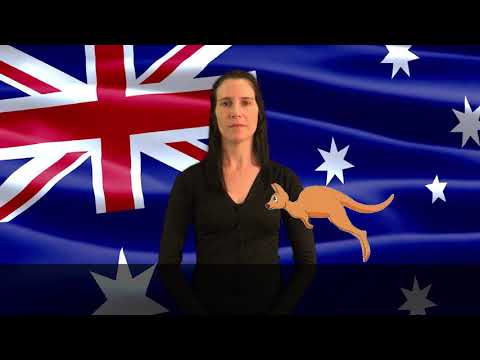
- Start with your dominant hand in a flat handshape (the palm is facing down). Your fingers should be together and extended.
- Position your dominant hand in front of your chest, slightly to the side, at about shoulder height.
- Make a gentle horizontal movement from side to side, as if you are weighing options or showing balance.
- Maintain a neutral facial expression or a slight smile to indicate the positive nature of fairness.
Common Mistakes
- Using a fist instead of a flat handshape may confuse the meaning.
- Failing to perform the side-to-side movement can make the sign unclear.
- Not incorporating facial expressions can lead to a lack of emotional context, which is vital in sign language.
Related Signs
- 1 – The sign for the number one.
- 1 Dollar – Indicates the monetary value of one dollar.
- 10 – The sign for the number ten.
- 100 – Represents the number one hundred.
- 11 – The sign for the number eleven.
Using “Fair” in Everyday Conversations
The sign for “Fair” can be used in various everyday conversations, often to discuss topics related to justice, equality, or opinions about a situation. Here are a few example sentences and the contexts in which they might arise:
- Situation: Discussing a recent event at school.
Auslan Sentence: “TEACHER FAIR, CLASSMATES NOT FAIR.” (The teacher is fair, but the classmates are not fair.) - Situation: Talking about a sports game outcome.
Auslan Sentence: “GAME FAIR, REFEREE NOT FAIR.” (The game was fair, but the referee was not fair.) - Situation: Sharing opinions on a community issue.
Auslan Sentence: “DECISION FAIR, COMMUNITY HAPPY.” (The decision was fair, and the community is happy.)
Cultural Notes
The concept of “fairness” holds significant cultural weight in the Australian Deaf community. It often relates to the values of equality and respect for all individuals, particularly in advocating for Deaf rights and accessibility. Many Deaf Australians view fairness as essential in ensuring equal opportunities in education, employment, and social interactions.
Dialect variations can exist between northern and southern communities, although the sign for “Fair” remains largely consistent across Australia. However, regional habits in conversation style or emphasis may influence how the sign is perceived or integrated into discussions, reflecting local cultural nuances.
Tips for Learning This Sign
To effectively learn and remember the sign for “Fair,” consider the following tips:
- Mirror Practice: Use a mirror to observe your handshape and facial expressions while signing. This will help you refine your movements and ensure clarity.
- Focus on Non-Manual Features: Pay attention to your facial expressions and body language, which play a crucial role in Auslan. Use a neutral expression when signing “Fair,” as it conveys a straightforward meaning.
- Incorporate it into Short Sentences: Practice using “Fair” in simple sentences during conversations. For example, discuss fairness in various contexts, such as schooling or community events, to reinforce its usage.
Frequently Asked Questions
How can I use “fair” in a sentence?
You might say, “It’s important to be fair when making decisions,” and sign “fair” to emphasize the concept in your conversation.
Are there regional variations for this sign?
While the core sign for “fair” is generally consistent, some regions may have slight variations in movement or facial expressions. Observing local users can help you adjust your signing.
What are some signs similar to “fair”?
Signs like “equal” and “just” share similar meanings and can often be used interchangeably depending on context.
How does “fair” compare to BSL?
In British Sign Language (BSL), the sign for “fair” may have different hand shapes or movements, highlighting the unique aspects of each sign language.
Any tips for teaching this sign?
Encourage learners to practice the sign with different facial expressions to convey context, as emotions play a significant role in Auslan.
Can “fair” be used in different contexts?
Yes! The sign can be used in various contexts, such as discussing fairness in games, negotiations, or general principles of equality.
Practice This Sign
Try signing Fair In Auslan with your camera and get AI coaching on your handshape, movement, and location.
Free · No signup required