
Earpiece in Australian Sign Language (Auslan)
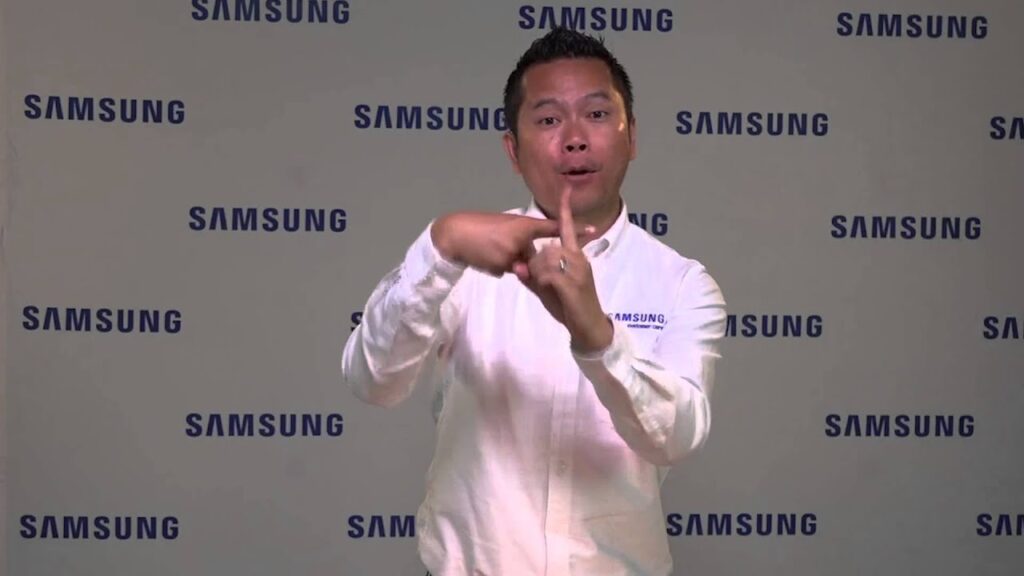
The sign for “earpiece” in Auslan (Australian Sign Language) refers to the small device worn in the ear for listening to audio or for communication. It’s commonly used in contexts such as discussions about technology, hearing aids, or communication devices. This sign can also be useful when discussing assistive listening devices in various settings.
Table of Contents
How to Sign “Earpiece”
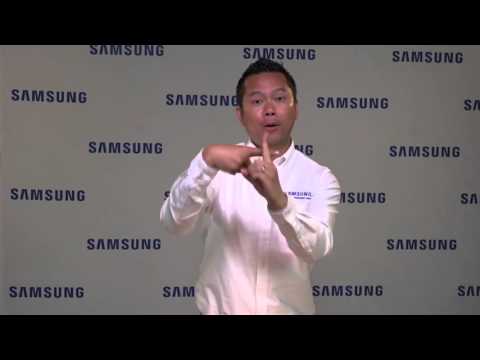
- Start with your dominant hand in a flat shape (like the ASL “B” handshape) near your ear.
- Position your hand so that the palm faces inward, towards your face.
- With a gentle movement, bring your hand towards your ear, as if placing the earpiece in.
- Maintain a neutral facial expression, but you can add a slight nod to indicate understanding or affirmation.
Common Mistakes
- Some learners might forget to keep the handshape flat, using a fist instead, which can change the meaning.
- Others may not bring their hand close enough to the ear, making the sign less clear.
- Facial expressions are often overlooked; remember to convey the context of the conversation through your expressions.
Related Signs
- 1 – The sign for the number one.
- 1 Dollar – Signifying one dollar in monetary contexts.
- 10 – The sign for the number ten.
- 100 – Representing one hundred in numerical discussions.
- 11 – The sign for the number eleven.
Using “Earpiece” in Everyday Conversations
The sign for “Earpiece” is commonly used in various everyday situations, especially when discussing technology or communication devices. Here are a few example sentences that demonstrate how to incorporate this sign naturally in conversation:
- “I wear my earpiece when I’m at work.” (Earpiece – wear – work)
- “Can you hear me through your earpiece?” (You – hear – me – earpiece)
- “She lost her earpiece during the meeting.” (She – lose – earpiece – meeting)
These examples might come up when discussing work settings, social gatherings, or even during casual conversations about technology. It’s a practical sign that can help bridge communication in any context where hearing aids or communication devices are relevant.
Cultural Notes
In the Australian Deaf community, the term “Earpiece” often refers to assistive listening devices that enhance communication for Deaf and hard-of-hearing individuals. These devices can range from traditional hearing aids to more advanced wireless systems, which are increasingly popular. The use of earpieces reflects the community’s embrace of technology to facilitate interaction and inclusion.
It’s worth noting that regional dialects may influence the signing of “Earpiece.” In some northern regions, there might be slight variations in the sign’s execution or accompanying facial expressions. Observing local Deaf community members can provide valuable insights into these differences and enhance understanding.
Tips for Learning This Sign
Practicing the sign for “Earpiece” effectively can help reinforce your learning. Here are some tips to make it easier:
- Mirror Practice: Stand in front of a mirror and practice signing “Earpiece” while watching your hand shapes and facial expressions. This technique helps ensure that you are using the correct form.
- Focus on Non-Manual Features: Pay attention to your facial expressions and body language while signing. Non-manual features can change the meaning and clarity of the sign.
- Use in Context: Create short sentences that include “Earpiece” and practice them with a friend or in a study group. This contextual practice reinforces memory and fluency.
By integrating these strategies into your practice routine, you’ll feel more confident using “Earpiece” in conversations.
Frequently Asked Questions
Can you use “earpiece” in a sentence?
Sure! You might say, “I use my earpiece to listen to music,” which can be signed as “Earpiece I use music listen.”
Are there regional variations for this sign?
Yes, some regions may have slight differences in the handshape or movement, but the overall concept remains the same.
What are similar signs to “earpiece”?
Other signs related to technology or communication devices could be similar, such as “headphones” or “hearing aid.”
How does this sign compare to BSL?
In British Sign Language (BSL), the sign for “earpiece” may differ in handshape and movement, reflecting the unique aspects of BSL.
What are some teaching tips for this sign?
Practice in front of a mirror to ensure your handshape and movement are clear. Incorporate facial expressions to enhance understanding.
Practice This Sign
Try signing Earpiece In Auslan with your camera and get AI coaching on your handshape, movement, and location.
Free · No signup required