
Data in Australian Sign Language (Auslan)
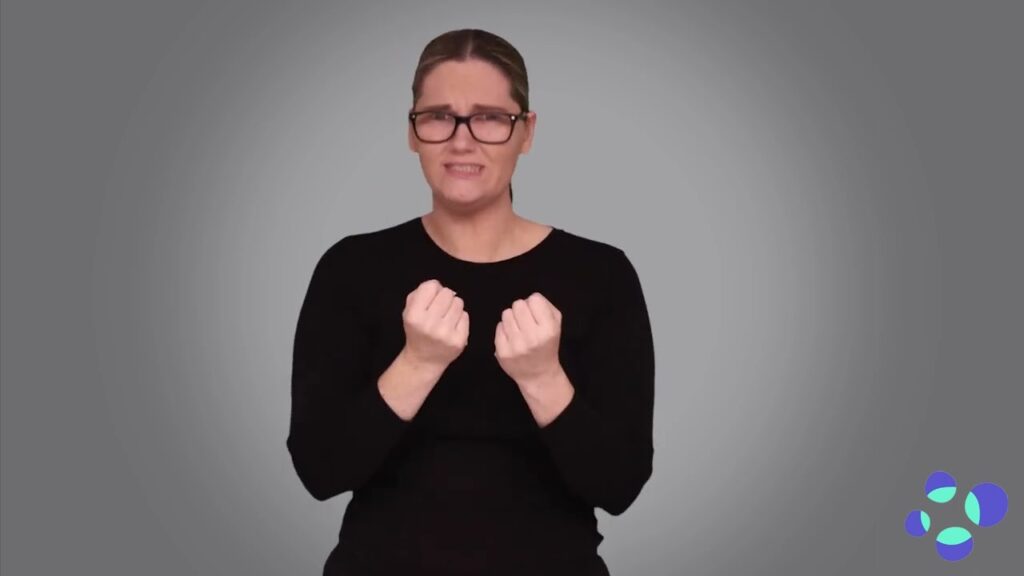
The sign for “data” in Auslan refers to information or facts that can be analyzed or processed. It’s commonly used in academic, technological, and everyday conversations when discussing statistics, research, or digital information.
Table of Contents
How to Sign “Data”
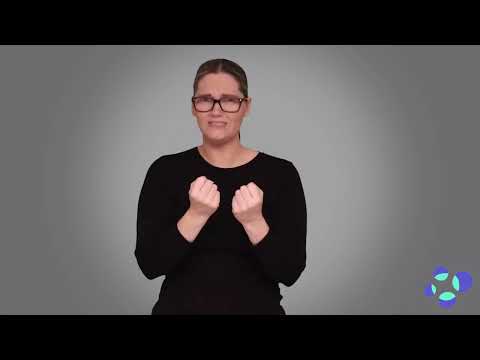
- Start with both hands open, palms facing up. Position your hands about shoulder-width apart.
- Bring your hands together in front of you, then separate them slightly while keeping them open. This motion represents the gathering or collection of information.
- As you separate your hands, slightly tilt your head forward and maintain a focused expression to emphasize the importance of the data.
Common Mistakes
- Some learners may forget to use both hands, which can make the sign appear less clear.
- Others might not emphasize the movement enough, resulting in a flat or unclear representation of “data.”
- Facial expressions can be overlooked, which are crucial for conveying meaning in Auslan.
Related Signs
- 1 – The sign for the number one.
- 1 Dollar – The sign used to represent one dollar.
- 10 – The sign for the number ten.
- 100 – The sign for the number one hundred.
- 11 – The sign for the number eleven.
Using “Data” in Everyday Conversations
In Auslan, the sign for “Data” can be used in various contexts, especially in discussions related to technology, research, or daily activities that involve information. Here are a few example sentences where “Data” fits naturally:
- Example 1: “I need to check the data for my project.” (SIGN: I NEED CHECK DATA MY PROJECT)
- Example 2: “The data shows an increase in sales this month.” (SIGN: DATA SHOW INCREASE SALES THIS MONTH)
- Example 3: “Can you send me the data from the meeting?” (SIGN: YOU SEND ME DATA MEETING?)
These examples illustrate how “Data” is commonly integrated into conversations, particularly in academic or professional settings, making it a useful sign to master.
Cultural Notes
In the Australian Deaf community, the term “Data” is often associated with the importance of clear communication and accessibility of information. The Deaf community values the accurate exchange of information, especially in contexts like education and technology. Understanding the sign for “Data” is essential for engaging in discussions about new technologies, research findings, and even social media trends.
While Auslan is largely uniform across Australia, there are some regional variations in signs, particularly in northern and southern dialects. However, the sign for “Data” remains consistent, ensuring clarity in communication regardless of location. Engaging with local Deaf communities can provide insight into any nuanced differences in usage that might exist in specific areas.
Tips for Learning This Sign
To effectively learn and remember the sign for “Data,” consider these practical tips:
- Mirror Practice: Stand in front of a mirror and practice the sign to ensure your handshape and movement are correct. This will help reinforce muscle memory.
- Watch for Non-Manual Features: Pay attention to facial expressions and body language when using the sign. These elements are crucial in Auslan and can change the meaning or emphasis of what you are signing.
- Use it in Short Signed Sentences: Create simple sentences that include “Data” and practice them regularly. This will help you become comfortable using the sign in context.
By incorporating these strategies into your learning routine, you’ll find it easier to remember and use the sign for “Data” confidently in conversations.
Frequently Asked Questions
How can I use “data” in a sentence?
You can say, “I found interesting data about climate change” by signing “I” + “find” + “interesting” + “data.”
Are there regional variations of the sign?
Yes, some regions may have slight variations in handshape or movement. Observing native signers can help you learn these nuances.
What are similar signs to “data”?
Signs like “information” or “statistics” can convey similar meanings but may use different handshapes and movements.
How does this compare to BSL?
The sign for “data” in BSL is different, often using varied handshapes and movements. Learning both can be beneficial for communication.
What are some teaching tips for this sign?
Practice in pairs or groups to gain feedback. Use visual aids and real-life examples to reinforce the concept of “data.”
Practice This Sign
Try signing Data In Auslan with your camera and get AI coaching on your handshape, movement, and location.
Free · No signup required