
Dandruff in Australian Sign Language (Auslan)
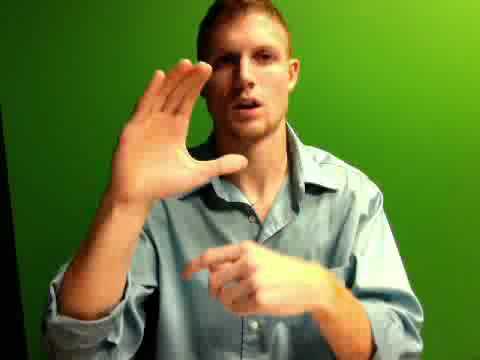
The sign for “dandruff” in Auslan refers to the small flakes of skin that can appear on the scalp and hair. This sign is often used when discussing hair care, personal grooming, or dermatological issues in casual conversation. Understanding this sign can be useful in both health-related discussions and everyday interactions.
Table of Contents
How to Sign “Dandruff”
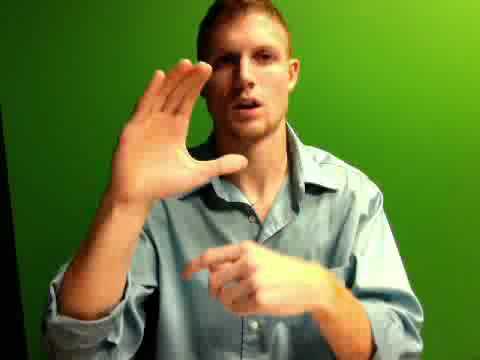
- Start with your dominant hand open and fingers slightly curved.
- Position your hand at the top of your head, with your fingers touching your scalp.
- Gently flick your fingers outward and away from your head, as if you are shaking off flakes.
- Maintain a neutral facial expression, but you can add a slight frown to indicate the annoyance associated with dandruff.
Common Mistakes
- Some learners may use a flat hand instead of an open hand, which changes the meaning of the sign. Ensure your fingers are slightly curved.
- Flicking the hand too hard or too far away can make the sign unclear. Keep the motion gentle and close to your head.
- Neglecting facial expressions can lead to misunderstanding; remember to express the discomfort or annoyance that dandruff can cause.
Related Signs
- 1 – The sign for the number one.
- 1 Dollar – Signifying a single dollar amount.
- 10 – The sign for the number ten.
- 100 – Representing the number one hundred.
- 11 – The sign for the number eleven.
Using “Dandruff” in Everyday Conversations
Incorporating the sign for “dandruff” into your everyday conversations can help make discussions about personal care or health more engaging and clear. Here are a few example sentences where this sign might come up naturally:
- MY HEAD ITCHY DANDRUFF. (I have itchy dandruff on my head.)
- USE SHAMPOO REMOVE DANDRUFF. (Use shampoo to remove dandruff.)
- MY FRIEND DANDRUFF MAKE FUN. (My friend makes fun of my dandruff.)
These examples typically arise in casual conversations about grooming, health tips, or sharing experiences with friends and family. Being comfortable with this sign can enhance your communication in these contexts.
Cultural Notes
The sign for “dandruff” is not just a practical term; it also reflects aspects of personal care within the Australian Deaf community. Many Deaf Australians value open discussions about health and grooming, as these topics can be less stigmatized in Deaf culture. It’s common to share tips and advice among peers, making the sign for “dandruff” relevant during conversations about hair care and hygiene.
In terms of dialect variation, while the sign remains consistent across Australia, some regions may have slight differences in the way it’s executed, particularly in handshape or movement. Observing local Deaf communities can help you adapt your signing to better fit the preferences of those around you.
Tips for Learning This Sign
Practicing the sign for “dandruff” can be both fun and effective with a few helpful strategies:
- Mirror Practice: Stand in front of a mirror while practicing the sign. This allows you to see your own handshape and movement, ensuring you replicate the sign accurately.
- Watch Non-Manual Features: Pay attention to facial expressions and body language when using the sign. Non-manual features can enhance the meaning and context of your signing.
- Use in Short Sentences: Create short sentences that include “dandruff” and practice them regularly. This will help reinforce your memory and improve your fluency.
By engaging with these methods, you’ll find it easier to remember and use the sign for “dandruff” in your conversations.
Frequently Asked Questions
How can I use “dandruff” in a sentence?
You might say, “I noticed I have dandruff,” which would be signed by using “dandruff” after indicating yourself.
Are there regional variations for this sign?
Yes, like many signs, variations can exist based on regional dialects within the Deaf community. It’s good to ask local users for their preferred version.
Are there similar signs to “dandruff”?
Yes, signs related to hair care or scalp issues may share some similarities, but “dandruff” has a specific motion that distinguishes it.
How does this sign compare to BSL?
In British Sign Language (BSL), the sign for dandruff may differ significantly. It’s best to learn BSL signs from a qualified instructor.
What teaching tips can help with this sign?
Practice in front of a mirror to ensure your hand shape and motion are correct, and don’t forget the facial expressions!
Practice This Sign
Try signing Dandruff In Auslan with your camera and get AI coaching on your handshape, movement, and location.
Free · No signup required