
Cake in Australian Sign Language (Auslan)

The sign for “cake” in Auslan represents the delicious dessert often enjoyed at celebrations like birthdays and weddings. It is commonly used to talk about desserts, parties, or any occasion that involves cake. This sign is a fun way to express joy around food and festivities.
Table of Contents
How to Sign “Cake”
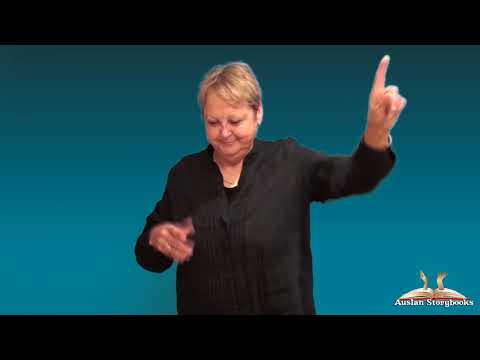
- Start with your dominant hand in a flat shape, resembling the palm of your hand facing down.
- Position your hand in front of your body, about shoulder height.
- Move your hand in a gentle upward motion, as if you are placing a cake onto a table.
- As you move your hand up, slightly curve your fingers to indicate the round shape of a cake.
- Maintain a cheerful facial expression to convey the excitement associated with cake and celebrations.
Common Mistakes
- Some learners may forget to use the flat hand shape, which can lead to confusion with other signs.
- Not using facial expressions can make the sign less engaging and expressive.
- Moving the hand too quickly can make it hard for others to understand the sign.
Related Signs
- 1 – The sign for the number one.
- 1 Dollar – A sign for money, indicating one dollar.
- 10 – The sign for the number ten.
- 100 – The sign representing one hundred.
- 12 – The sign for the number twelve.
Using “Cake” in Everyday Conversations
The sign for “Cake” is often incorporated into conversations about celebrations, food, and special occasions. Here are a few example sentences demonstrating its usage:
- Sign Order: “I want cake.”
Situation: This can come up during a birthday party or when discussing dessert options at a gathering. - Sign Order: “She made a chocolate cake.”
Situation: This might be used when talking about someone’s baking skills or planning a surprise for a friend. - Sign Order: “We are eating cake at the party.”
Situation: This is a common statement when inviting friends to a celebration or event where cake will be served.
Cultural Notes
Cake holds a significant place in Australian culture, particularly during celebrations such as birthdays, weddings, and holidays. In the Deaf community, sharing cake often symbolizes togetherness and joy, reflecting the importance of social gatherings. The act of sharing food, including cake, is a way to foster connections and build relationships among friends and family.
In terms of dialect variation, there may be slight differences in how the sign for “Cake” is produced between northern and southern regions of Australia. While the core sign remains the same, some variations in movement or facial expressions may occur, influenced by local Deaf culture and community practices. It’s beneficial to observe and learn from Deaf peers in your area to appreciate these nuances.
Tips for Learning This Sign
To effectively learn and remember the sign for “Cake,” consider these practical tips:
- Mirror Practice: Stand in front of a mirror while practicing the sign. This will help you refine your movements and ensure they are clear and accurate.
- Watch for Non-Manual Features: Pay attention to facial expressions and body language that accompany the sign. These non-manual features enhance the meaning and are crucial for effective communication in Auslan.
- Use in Short Signed Sentences: Incorporate “Cake” into simple sentences during conversations. This will help you reinforce your memory and make the sign a natural part of your vocabulary.
Frequently Asked Questions
How can I use “cake” in a sentence?
You can say, “I want cake,” which would be signed as “I” + “WANT” + “CAKE.”
Are there regional variations for this sign?
Yes, some areas may have slight variations in hand shape or movement, so it’s good to observe local users.
What are some signs similar to “cake”?
Similar signs include “pie” and “dessert,” which also relate to food items.
How does this sign compare to BSL (British Sign Language)?
In BSL, the sign for “cake” has a different handshape and movement, demonstrating the differences between sign languages.
What are some teaching tips for this sign?
Encourage learners to practice with facial expressions and to observe native signers using the sign in context.
Can I use this sign for any type of cake?
Yes, this sign can be used for any cake, whether it’s chocolate, vanilla, or special occasion cakes.
Practice This Sign
Try signing Cake In Auslan with your camera and get AI coaching on your handshape, movement, and location.
Free · No signup required