
Back to Here in Australian Sign Language (Auslan)
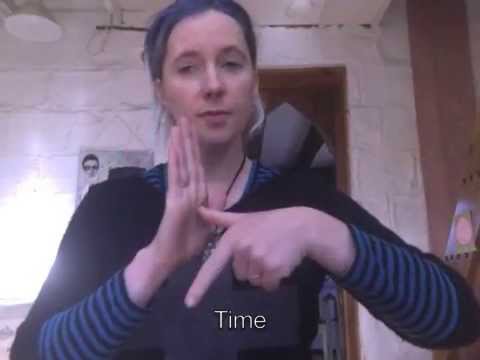
The sign “back to here” in Auslan is used to indicate a return to the current location or to refer back to a previous topic or idea in conversation. It is a helpful sign for clarifying context and maintaining the flow of dialogue. This sign can be especially useful in storytelling or when giving directions.
Table of Contents
How to Sign “Back To Here”
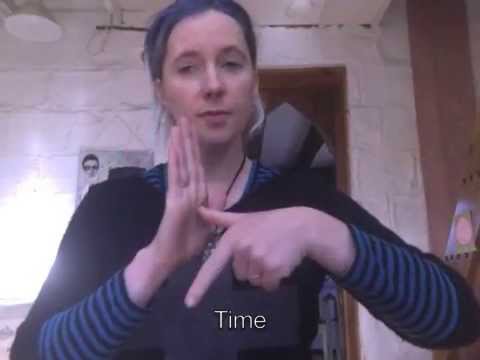
- Start with your dominant hand in a flat “B” handshape (palm facing outward).
- Position your hand slightly in front of your body, at about chest height.
- Move your hand back towards your torso, maintaining the “B” handshape, as if you are pulling something back to you.
- As you move your hand, make sure to keep your facial expression neutral or slightly focused to indicate that you are emphasizing the action of returning.
Common Mistakes
- Forgetting to maintain the “B” handshape throughout the movement, which can lead to confusion.
- Not moving the hand back towards the torso enough, making the sign unclear.
- Using a flat palm instead of the correct “B” handshape, which may alter the meaning.
Related Signs
- 1 – The sign for the number one.
- 10 – The sign for the number ten.
- 100 – The sign for the number one hundred.
- 11 – The sign for the number eleven.
- 12 – The sign for the number twelve.
Using “Back to Here” in Everyday Conversations
The sign “Back to Here” is commonly used in various everyday conversations, particularly when discussing locations or returning to a previously mentioned topic. Here are a few examples of how it can be incorporated:
- Example 1: “I went to the market (sign for market) and now I’m back to here (sign for back to here).”
This sentence can come up naturally when someone returns from a trip or errand and wants to inform their friends or family of their return.
- Example 2: “We talked about the project (sign for project) last week, now let’s go back to here (sign for back to here) and continue.”
This situation arises during discussions where participants want to refocus on a prior topic.
- Example 3: “I visited my friend (sign for friend), and now I’m back to here (sign for back to here) to finish my homework.”
This can occur when someone resumes their activities after visiting someone else.
Cultural Notes
In the Australian Deaf community, the sign “Back to Here” holds significance beyond its literal meaning. It reflects the importance of returning to shared experiences and connections within conversations. The use of this sign emphasizes the communal aspect of communication, where members often revisit topics to reinforce understanding and connection.
Dialect variations may exist between northern and southern regions of Australia. In some areas, the sign may incorporate slightly different facial expressions or speed of signing, reflecting local communication styles. Being aware of these variations can enhance communication and foster deeper connections within the community.
Tips for Learning This Sign
Practicing the sign “Back to Here” effectively can enhance your Auslan skills. Here are some concrete ways to remember and use it:
- Mirror Practice: Stand in front of a mirror while signing. This helps you self-correct your movements and ensures you’re using the correct form.
- Watch for Non-Manual Features: Pay attention to facial expressions and body language that accompany the sign. Non-manual features can convey emphasis and context, making your signing more expressive.
- Use it in Short Signed Sentences: Incorporate “Back to Here” into simple sentences during your practice sessions. For example, sign “I am back to here” or “Let’s go back to here” to reinforce your understanding and comfort with the sign.
Regular practice in real-life conversations will also help solidify your grasp of this sign and its context within Auslan. Engaging with the Deaf community can provide invaluable opportunities for learning and improvement.
Frequently Asked Questions
How can I use “back to here” in a sentence?
You can use it when you want to say you’re returning to your original point, like “Let’s go back to here and finish the discussion.”
Are there regional variations for this sign?
Yes, some regions may have slight variations in handshape or movement. It’s good to learn from local Deaf communities.
What are some similar signs?
Signs like “come back” or “return” convey similar meanings but may have different hand movements or expressions.
How does this compare with BSL (British Sign Language)?
BSL has its own sign for “back to here,” which may look quite different from Auslan. It’s helpful to learn both if you’re interacting with Deaf individuals from different regions.
What are some teaching tips for this sign?
Practice in front of a mirror to ensure your handshape and movement are correct. Watching native signers can also help reinforce your learning.
Practice This Sign
Try signing Back To Here In Auslan with your camera and get AI coaching on your handshape, movement, and location.
Free · No signup required