
Backpack in Australian Sign Language (Auslan)
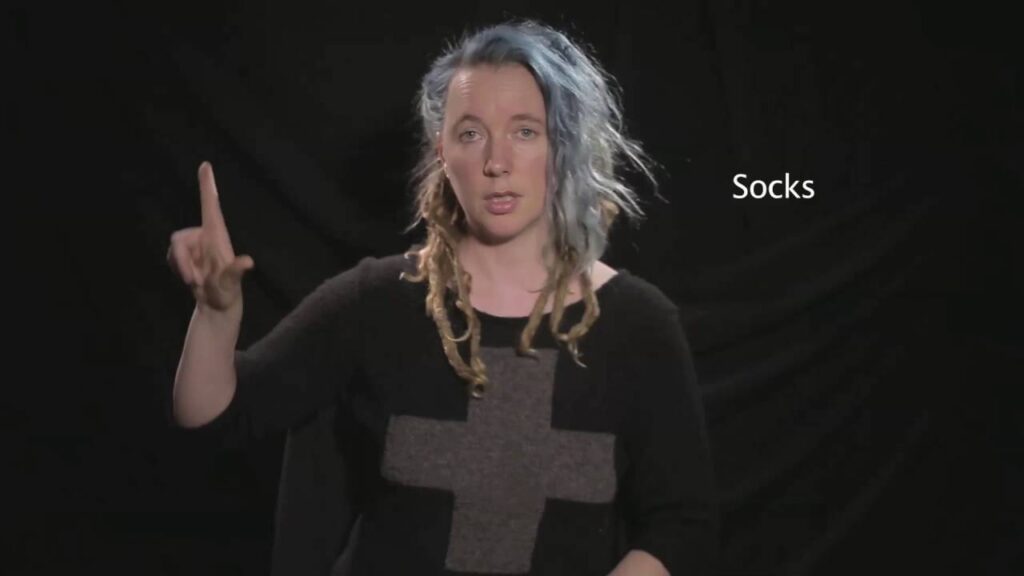
The sign for “backpack” in Auslan is a useful term often used in educational settings or when discussing school supplies. This sign helps convey the idea of carrying a backpack, which is common among students and travelers. You can use it when talking about school, outings, or any situation where carrying a backpack is relevant.
Table of Contents
How to Sign “Backpack”
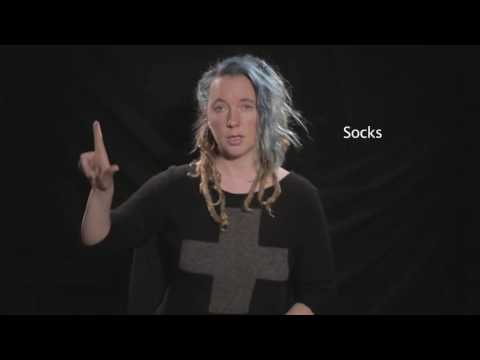
- Start with both hands open and facing your body, palms up.
- Bring your hands towards your shoulders as if you’re putting on a backpack.
- Close your fingers into fists as you pull your hands back slightly, mimicking the action of securing the straps.
- Maintain a neutral facial expression or a slight smile to indicate a positive context, like school or adventure.
Common Mistakes
- Some learners forget to use both hands, leading to a less clear sign.
- Others may not mimic the action of putting on a backpack, making the sign less relatable.
- Facial expressions may be overlooked, which can affect the overall meaning of the sign.
Related Signs
- 1 – The sign for the number one.
- 1 Dollar – The sign for one dollar, often used in shopping contexts.
- 10 – The sign for the number ten.
- 100 – The sign for the number one hundred.
- 12 – The sign for the number twelve.
Using “Backpack” in Everyday Conversations
In Auslan, the sign for “Backpack” can be integrated into everyday conversations quite easily. Here are a few example sentences that illustrate its use:
- Example 1: “I have my backpack ready for school.”
(Sign: I – my – backpack – ready – school) - Example 2: “Can you help me find my backpack?”
(Sign: You – help – me – find – my – backpack) - Example 3: “Her backpack is very heavy.”
(Sign: Her – backpack – very – heavy)
This sign often comes up naturally in discussions about school, travel, or daily activities, making it a practical addition to your Auslan vocabulary.
Cultural Notes
In the Australian Deaf community, the term “backpack” resonates with students and outdoor enthusiasts alike. It represents not just a school item but also a symbol of adventure and exploration. Many Deaf individuals enjoy outdoor activities such as hiking or camping, where a good backpack is essential. Additionally, there may be some regional variations in how the sign is produced, particularly between northern and southern dialects of Auslan. However, these variations are generally subtle and do not impede understanding among users.
Tips for Learning This Sign
Mastering the sign for “Backpack” can be enjoyable and rewarding. Here are some effective strategies to help you practice and remember it:
- Mirror Practice: Use a mirror to observe your signing. This helps you refine the shape of your hands and the positioning of your body.
- Watch for Non-manual Features: Pay attention to facial expressions and body language, as these are crucial in Auslan for conveying meaning and emotion.
- Use it in Context: Create short signed sentences or dialogues with friends or classmates that involve the sign “backpack.” This reinforces your memory and helps you become comfortable using it.
Consistent practice in context will make the sign feel more natural in your conversations.
Frequently Asked Questions
How can I use “backpack” in a sentence?
You can say, “I have my backpack for school,” by signing “I” + “have” + “backpack” + “for” + “school.”
Are there regional variations for this sign?
While the sign is generally consistent, some regions may have slight variations in hand shapes or movements.
What are some similar signs to “backpack”?
Signs for items like “bag” or “purse” may share similar movements, but the context will clarify the meaning.
How does this sign compare to BSL (British Sign Language)?
The sign for “backpack” in BSL is different and may involve distinct movements. Each sign language has its own unique signs.
What are some teaching tips for this sign?
Encourage students to practice the action of putting on a backpack while signing, to reinforce the meaning visually.
Practice This Sign
Try signing Backpack In Auslan with your camera and get AI coaching on your handshape, movement, and location.
Free · No signup required