
Badge in Australian Sign Language (Auslan)
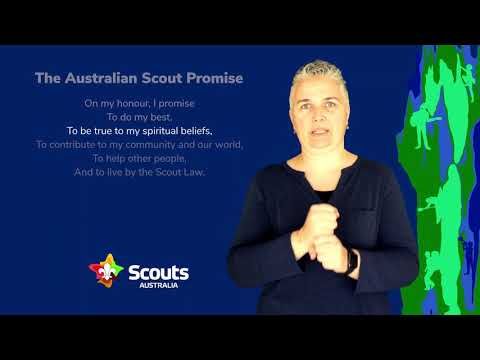
The sign for “badge” in Auslan is used to refer to an identification badge or name tag. It is commonly used in contexts such as work environments, conferences, or events where individuals display their credentials. This sign helps convey important information about a person’s role or identity in a visual and accessible way.
Table of Contents
How to Sign “Badge”
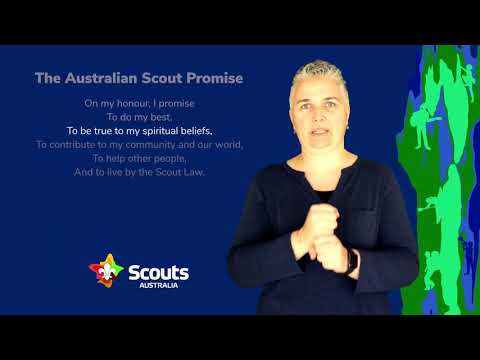
- Start with your dominant hand in a flat handshape (similar to a “B” handshape).
- Position your hand at chest level, palm facing towards you.
- Move your hand slightly away from your chest while keeping the handshape intact, as if you are presenting the badge.
- Maintain a neutral facial expression or add a slight smile to show friendliness.
Common Mistakes
- Forgetting to use the appropriate handshape; some may use a fist instead of a flat hand.
- Holding the hand too far from the chest, which can make the sign unclear.
- Neglecting facial expressions, which are important for conveying the right tone and meaning.
Related Signs
- 1 – Used to indicate the number one.
- 1 Dollar – Represents a single dollar in monetary contexts.
- 10 – Sign for the number ten.
- 100 – Represents one hundred.
- 11 – Sign for the number eleven.
Using “Badge” in Everyday Conversations
In everyday conversations, the sign for “badge” can be used in various contexts, especially when discussing roles, achievements, or identification. Here are a few example sentences that demonstrate how to incorporate this sign naturally:
- “I received my BADGE at the conference.” (This might come up when talking about attending professional events.)
- “She wears a BADGE for her volunteer work.” (Use this in conversations about community service or volunteering.)
- “Look at that BADGE on his uniform!” (This is relevant when discussing jobs that require identification, such as police or security personnel.)
Cultural Notes
In the Australian Deaf community, the concept of a “badge” extends beyond just a physical item; it represents identity, belonging, and recognition within various groups. Badges are often associated with participation in Deaf events, such as festivals, conferences, and workshops, where they signify membership, achievements, or status. It is not uncommon for Deaf individuals to wear badges during social gatherings, which can serve as conversation starters and help foster connections within the community.
As for dialect variations, while the sign for “badge” is generally consistent across Australia, regional differences may exist in the speed and fluidity of the sign. For instance, some northern regions might emphasize the movement more than in the southern parts, where it may be more concise. Being aware of these subtleties can enhance understanding and communication.
Tips for Learning This Sign
Practicing the sign for “badge” can be both fun and effective. Here are some concrete methods to help you remember and master this sign:
- Mirror Practice: Use a mirror to practice the sign, ensuring your handshape and movement match what you see. This visual feedback can help reinforce muscle memory.
- Focus on Non-Manual Features: Pay attention to facial expressions and body language while signing. These non-manual features enhance the meaning and can help you communicate more effectively.
- Use in Short Sentences: Incorporate the sign into short, everyday sentences. For example, practice by saying, “My BADGE is important to me” to create context around the sign.
Regularly using the sign in conversations will help solidify your understanding and proficiency, making it a natural part of your Auslan vocabulary.
Frequently Asked Questions
How can I use “badge” in a sentence?
You might say, “I will show you my badge,” which can be signed by combining the sign for “I,” the sign for “badge,” and then the sign for “show.”
Are there regional variations in signing “badge”?
Yes, some regions may have slight variations in the movement or handshape, but the flat handshape is widely recognized.
What are some similar signs to “badge”?
Signs like “ID” or “name tag” can be similar and are used in comparable contexts.
How does this compare to BSL?
In BSL, the sign for “badge” may differ significantly in handshape and movement, highlighting the unique aspects of each sign language.
What are some teaching tips for this sign?
Practice in front of a mirror to ensure the handshape and facial expressions are correct, and consider using props for better understanding.
Can children learn this sign easily?
Yes, children can learn this sign through play and role-playing scenarios where badges are relevant, making it fun and engaging.
Practice This Sign
Try signing Badge In Auslan with your camera and get AI coaching on your handshape, movement, and location.
Free · No signup required