
Auslan 2 in Australian Sign Language (Auslan)
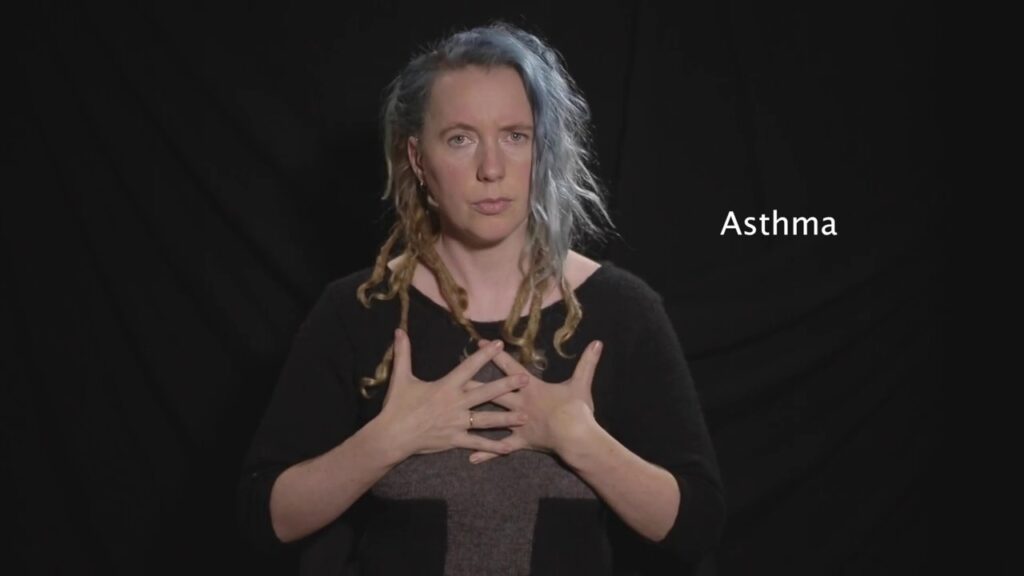
The sign “Auslan 2” represents the number two in Auslan, which is the sign language used in Australia. It is commonly used in various contexts whenever referring to the number two, such as counting or indicating a quantity. This sign is an essential part of both everyday conversations and more formal discussions within the Deaf community.
Table of Contents
How to Sign “Auslan 2”

- Start with your dominant hand in a flat shape, fingers extended and together.
- Position your hand in front of your body, about chest height.
- Turn your hand so your palm faces away from you.
- Raise your index and middle fingers while keeping the other fingers tucked in, creating a “2” shape.
- Hold this position briefly while maintaining a relaxed facial expression to convey clarity.
Common Mistakes
- Some learners may mistakenly spread their fingers too widely or curve them, which can alter the sign’s meaning.
- Forgetting to maintain a relaxed facial expression can make the sign seem stiff or unclear.
- Using the wrong hand orientation can confuse those receiving the sign.
Related Signs
- #Auslan Latest – Updates on Auslan signs and usage.
- – Hello How Are You – A common greeting in ASL.
- 0 In Auslan – The sign for zero in Auslan.
- 1 – The sign for one in ASL.
- 10 – The sign for ten in ASL.
Using “Auslan 2” in Everyday Conversations
The sign “Auslan 2” is often used in various contexts when discussing language preferences, communication methods, or educational settings. Here are a few example sentences to illustrate its use:
- Question: “Do you use Auslan 2 at work?”
(Auslan sign order: YOU WORK AUSLAN 2 USE?) - Statement: “I learned Auslan 2 at university.”
(Auslan sign order: I UNIVERSITY AUSLAN 2 LEARNED.) - Statement: “She prefers Auslan 2 for teaching.”
(Auslan sign order: SHE TEACHING AUSLAN 2 PREFER.)
These sentences might come up in conversations about workplace communication, educational experiences, or discussing preferences in teaching methods. They reflect how “Auslan 2” integrates into daily life within the Deaf community.
Cultural Notes
“Auslan 2” holds significance within the Australian Deaf community, representing not just a method of communication but also a sense of identity and belonging. In Australia, the Deaf community is culturally rich, with its own history, values, and social norms. The sign “Auslan 2” may vary slightly in production between northern and southern dialects. For instance, some users in the north might emphasize different non-manual features (facial expressions and body language) compared to those in the south. Understanding these regional nuances can deepen your appreciation of Auslan and enhance your interactions with Deaf individuals.
Tips for Learning This Sign
Practicing the sign “Auslan 2” can be enjoyable and effective with a few simple techniques:
- Mirror Practice: Use a mirror to watch your hand shapes and movements. This allows you to see how closely you mimic the sign and adjust accordingly.
- Focus on Non-Manual Features: Pay attention to facial expressions and body language when signing “Auslan 2.” These features convey important context and emotion.
- Incorporate into Short Signed Sentences: Try using “Auslan 2” in various sentences throughout your day. Practice with friends or fellow learners to gain confidence and fluency.
By engaging with these methods, you will strengthen your connection to the sign and the community it represents.
Frequently Asked Questions
How can I use “Auslan 2” in a sentence?
You can say, “I have Auslan 2 apples,” by signing the number two while indicating the apples.
Are there regional variations for this sign?
The sign for “2” is generally consistent, but local dialects may influence handshape or movement slightly.
What are similar signs to “Auslan 2”?
Similar signs include “1” and “3,” which use similar handshapes but with different finger positions.
How does “Auslan 2” compare to BSL?
In British Sign Language (BSL), the sign for “2” is similar but may involve different hand positioning.
What tips can help me teach this sign?
Encourage students to practice in front of a mirror to ensure proper handshape and positioning.
Practice ASL Signs
Use your camera to practice signs and get real-time AI feedback on your technique.
Free · No signup required