
Asl Vs Bsl
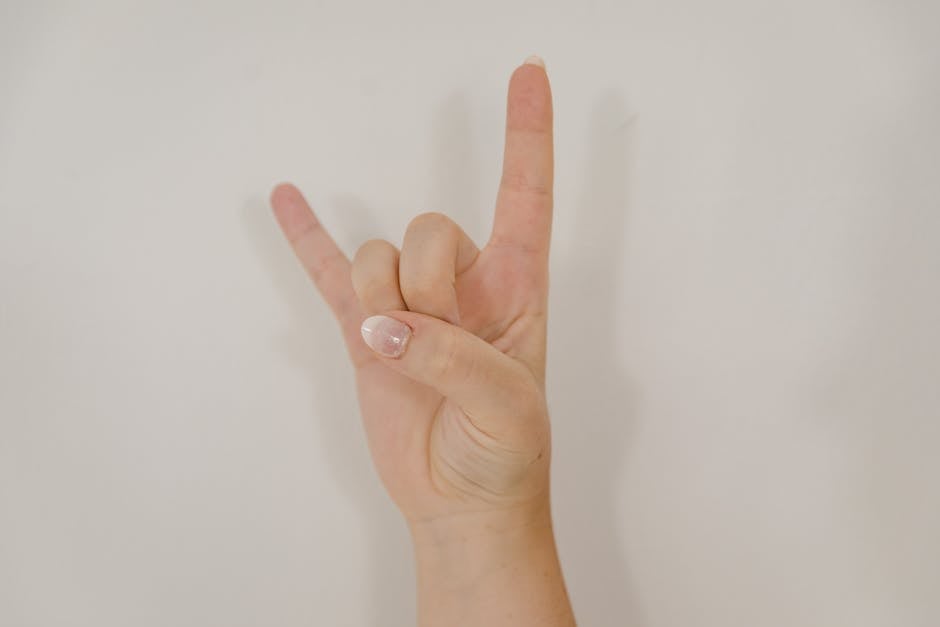
ASL vs BSL: Understanding the Differences and Similarities
American Sign Language (ASL) and British Sign Language (BSL) are two distinct sign languages used by the Deaf communities in the United States and the United Kingdom, respectively. While both serve the same purpose of facilitating communication among Deaf individuals, they differ significantly in their structure, vocabulary, and cultural context. Understanding these differences can enhance communication and foster appreciation for the unique characteristics of each language.
Table of Contents
What is ASL?
ASL is a visual language that has its roots in the early 19th century, influenced by French Sign Language and various regional sign languages in the United States. It is a fully-fledged language with its own grammar, syntax, and vocabulary, distinct from English. ASL is used predominantly in the United States and parts of Canada.
Key Features of ASL
- Fingerspelling: ASL incorporates a fingerspelling system to represent letters and proper nouns. Each letter of the English alphabet has a corresponding sign, which is particularly useful for names and technical terms.
- Facial Expressions: Non-manual markers, including facial expressions, play a critical role in ASL. They can indicate questions, emotions, and grammatical aspects.
- Regional Variations: Like any language, ASL has regional dialects and variations, reflecting the diverse backgrounds of its users.
What is BSL?
BSL has developed over centuries and is deeply rooted in the Deaf community of the UK. It is distinct from ASL and encompasses its own unique signs and grammatical rules. BSL is used in England, Wales, and parts of Scotland, and is recognized as a language in its own right.
Key Features of BSL
- Signs: BSL employs a different set of signs compared to ASL. Even common concepts may have entirely different signs across the two languages.
- Grammar Structure: BSL has a unique grammatical structure that is not directly translatable to English, making it essential for learners to immerse themselves in the language.
- Regional Dialects: Similar to ASL, BSL also has regional variations, which can sometimes lead to misunderstandings if speakers from different areas interact.
Similarities Between ASL and BSL
Despite their differences, ASL and BSL share some common ground. Both languages are visual and rely on hand signs, facial expressions, and body language for effective communication. Here are a few similarities:
- Community-Centric: Both languages are deeply rooted in the respective Deaf communities, fostering cultural identity and pride.
- Visual Language: They both utilize visual cues to convey meaning, making them accessible to Deaf individuals.
- Expressiveness: Both ASL and BSL employ facial expressions and body language to enhance communication and convey emotions.
Learning ASL vs. BSL: Practical Tips
For those interested in learning either ASL or BSL, understanding the differences can help guide your learning journey. Here are some practical tips:
1. Choose Your Language
Determine whether you want to learn ASL or BSL based on your location and community interaction.
2. Find Quality Resources
- Look for reputable classes taught by qualified instructors who are part of the Deaf community.
- Utilize online resources, including video tutorials, apps, and social media groups dedicated to ASL or BSL.
3. Immerse Yourself in the Culture
Engaging with the Deaf community through events, workshops, and social gatherings can enhance your understanding of the language and its cultural context.
4. Practice Regularly
- Join study groups to practice with others.
- Use language exchange platforms to connect with native signers.
Common Misconceptions
Many misconceptions surround ASL and BSL. Here are a few clarifications:
- ASL and BSL are the same: This is a common myth. They are distinct languages with different vocabularies and grammatical structures.
- Sign language is universal: While sign languages share some concepts, each country or region has its own unique sign language.
- Sign language is just fingerspelling: Fingerspelling is just one component of sign languages; they also include signs that represent entire concepts.
Frequently Asked Questions
What is the primary difference between ASL and BSL?
The main difference lies in their vocabulary and grammar. ASL is used in the United States, while BSL is used in the UK, and they are not mutually intelligible.
Can someone fluent in ASL understand BSL?
No, ASL and BSL are different languages. A fluent ASL user would not automatically understand BSL without specific learning.
Are there resources for learning both ASL and BSL?
Yes, plenty of resources exist online, including reputable websites, YouTube channels, and apps dedicated to teaching both ASL and BSL.
What role does culture play in ASL and BSL?
Culture is integral to both ASL and BSL. Each language reflects the history, values, and experiences of its respective Deaf community, influencing how concepts are expressed.
How can I get involved in the Deaf community?
Consider attending local Deaf events, workshops, or social gatherings. Engaging with the community can offer valuable learning opportunities and insights into the culture.
Practice ASL Signs
Use your camera to practice signs and get real-time AI feedback on your technique.
Free · No signup required