
Where in Sign Language (ASL)
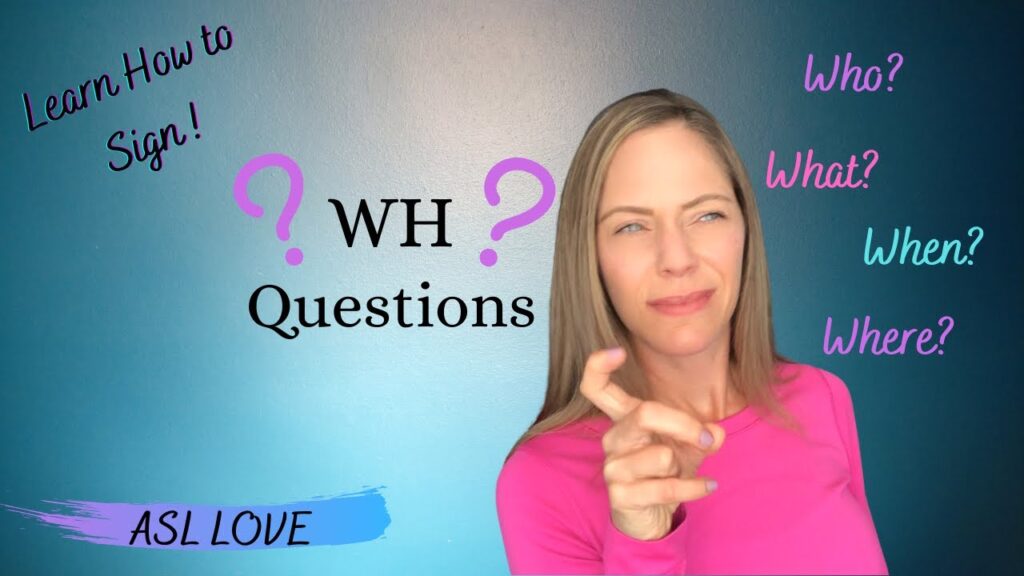
The sign “Where” is commonly used to ask about a location or the position of something or someone. It is an essential part of inquiry in conversations among Deaf individuals, allowing them to seek information with clarity. Whether it’s about a meeting point, an object, or a person’s whereabouts, “Where” facilitates effective communication in everyday situations.
[VIDEO_PLACEHOLDER]
Table of Contents
Forming the sign
- Handshape: The sign is made using the “W” handshape, where your thumb and the last three fingers are extended while your index finger is pointed up.
- Location: The sign is typically formed near the chin or in front of the face, allowing for easy visibility in conversation.
- Movement: You can add a slight movement by shaking the “W” handshape side to side to emphasize the inquiry. This movement reinforces the question being asked.
- Non-manual signals: Raise your eyebrows while signing “Where” to indicate that you are asking a question. This facial expression is crucial in ASL for conveying the interrogative nature of your inquiry.
The combination of these elements creates a clear and recognizable sign that effectively communicates the question of location. Remember that the context in which you use “Where” can influence the speaker’s understanding of your inquiry.
Using “Where” in sentences
“Where” can be used in a variety of sentences to prompt questions or gather information. For example, you might ask, “Where is the nearest bus stop?” or “Where are you going?” It can also be integrated into statements, as in, “I don’t know where she is.” The sign can be modified to suit formal or informal settings, and its usage may slightly vary depending on regional dialects within the Deaf community.
Signs related to “Where”
Several signs are connected to “Where,” which can enhance your ASL vocabulary. Here are a few:
- What – Used to ask for information or clarification.
- When – Asks about time or the timing of an event.
- Why – Inquires about reasons or explanations.
- How – Seeks information about the manner or process of something.
Common confusion with a similar sign
Some learners may confuse “Where” with the sign for “Who.” It’s important to remember that while “Where” is focused on location, “Who” involves a different handshape and movement. “Who” typically uses the “W” handshape but is placed at the chin and moved upwards. Ensure that the context of your question is clear to prevent misunderstandings.
FAQ
What is the significance of facial expressions in ASL?
Facial expressions are crucial in ASL as they convey emotions and grammatical information. For questions, raised eyebrows indicate inquiry, while other expressions can indicate various emotions.
Can “Where” be used in different contexts?
Yes, “Where” can be applied in various contexts, such as asking about physical locations, events, or directions. The context will help clarify the specific inquiry being made.
Is “Where” the same in all regions?
While the general sign for “Where” is widely understood, there may be slight variations in handshape or movement in different regions. It’s beneficial to be aware of local signing habits.
How do I practice using “Where”?
Practice by incorporating the sign in daily conversations and asking questions to friends or within a study group. Role-playing scenarios can also enhance your comfort with using the sign.
Why is the sign “Where” important in ASL?
The sign “Where” is essential for engaging in conversation, allowing individuals to ask for locations, directions, or information, which fosters effective communication within the Deaf community.
Practice ASL Signs
Use your camera to practice signs and get real-time AI feedback on your technique.
Free · No signup required