
Vase in Sign Language (ASL)
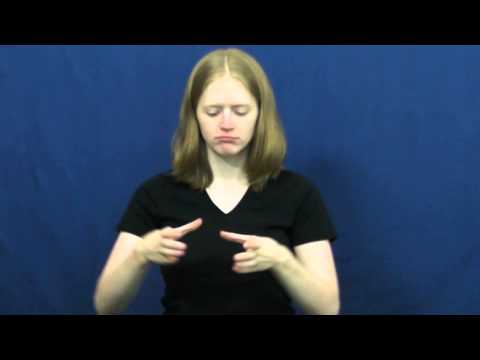
The sign for “Vase” represents a container typically used for holding flowers, enhancing the aesthetic appeal of a space. This sign is commonly used in conversations about home decor, gardening, or floral arrangements. It conveys a specific object that holds cultural and functional significance in many settings.
[VIDEO_PLACEHOLDER]
Table of Contents
Forming the sign
- Handshape: The dominant hand forms a “V” handshape, with the index and middle fingers extended and separated, while the other fingers are curled into the palm.
- Location: The sign is typically made near the chin or chest area, as if you are presenting the vase to someone.
- Movement: The “V” handshape moves slightly upward and outward from the body, as if lifting or showcasing the vase.
- Non-manual signals: A slight nod of the head can accompany the sign to emphasize the importance of the vase, or a raised eyebrow can indicate a question or curiosity about it.
To summarize, the sign for “Vase” involves using a “V” handshape positioned near the chin, moving it outward slightly. This movement mimics the action of presenting or offering a vase to someone, making it a visually engaging sign.
Using “Vase” in sentences
The sign “Vase” can be used in various sentence structures. For example:
- In a statement: “I bought a new vase.” can be signed with the appropriate signs for each word, placing emphasis on “vase” when you reach that part of the sentence.
- In a question: “Where should I put the vase?” Here, you would sign “vase” while gesturing to indicate the location.
- In a description: “This vase is beautiful!” can be signed by incorporating an adjective sign for “beautiful” along with “vase.”
This flexibility allows users to incorporate the sign for “Vase” into everyday conversations seamlessly, enhancing communication about home and decor.
Signs related to “Vase”
There are several signs that are related to “Vase” which may also be useful in conversation:
- Flowers – The sign for flowers can often accompany discussions about vases.
- Decor – This sign relates to items used to beautify a space, including vases.
- Garden – A connection to flowers and vases often arises when talking about gardens.
- Home – Discussing home decor would likely involve the sign for “vase.”
Common confusion with a similar sign
Many learners confuse the sign for “Vase” with the sign for “Cup.” While both may use a similar handshape, the key difference is in the movement and location. The “Cup” sign typically involves a cupping motion, whereas the “Vase” sign features an upward and outward presentation. Paying attention to these subtle distinctions can help ensure clarity in communication.
FAQ
How do I know when to use the sign for “Vase”?
You can use the sign for “Vase” whenever you are discussing or referring to a vase in a conversation about home decor, flowers, or related topics.
What should I do if I forget the sign for “Vase”?
If you forget the sign, you can fingerspell “V-A-S-E” as a substitute. This ensures that your message is still understood while you recall the correct sign.
Are there variations of the sign for “Vase” depending on region?
While the basic sign for “Vase” is generally consistent, there may be slight regional variations in movement or emphasis. It’s helpful to observe local signing practices.
Can I use facial expressions to enhance my signing of “Vase”?
Yes! Non-manual signals like facial expressions can greatly enhance the meaning of your sign. For “Vase,” a smile can indicate positivity, while a thoughtful look might indicate contemplation about a particular vase.
Practice ASL Signs
Use your camera to practice signs and get real-time AI feedback on your technique.
Free · No signup required